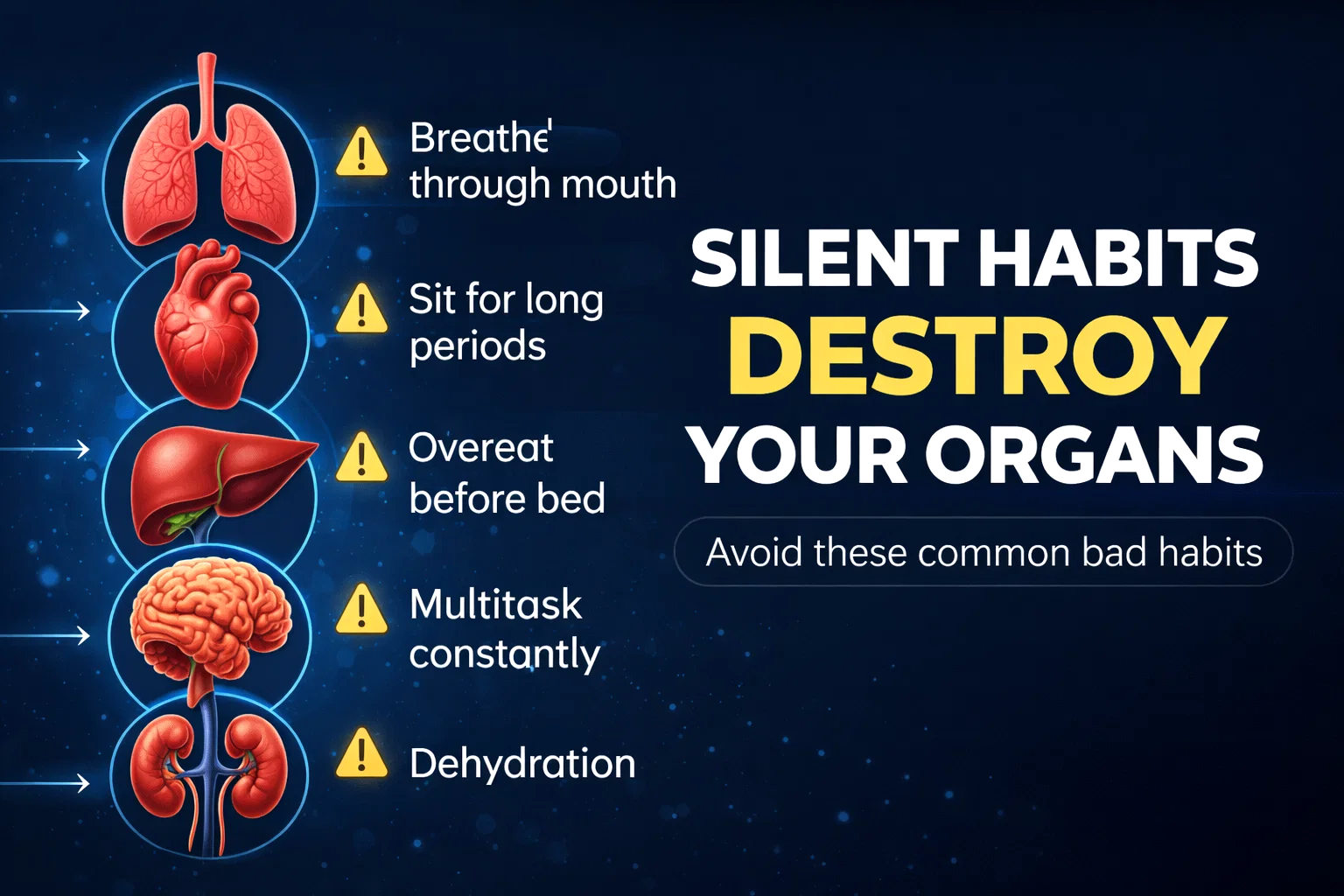
9 Silent Habits Destroying Your Organs Daily Health Tips Wellness Habits To Stop Now
We often think of health as the absence of a major illness or the presence of a rigorous fitness routine. However, the true foundation of our well-being is built on the tiny, repetitive actions we take every single day. These are our silent habits. While they might seem harmless in the moment, over months and years, they can significantly impact our vital organs. The body is a remarkably resilient machine, but it is not invincible. Understanding how our daily choices affect everything from our lungs to our intestines is the first step toward long term vitality and health.
The Hidden Impact of Mouth Breathing on Lung Health
It sounds simple, but the way you breathe matters. Many of us fall into the habit of breathing through our mouths, especially when stressed or during sleep. The nose is designed to be a sophisticated filtration and humidification system. When you breathe through your nose, the air is warmed, moistened, and filtered of dust and allergens before it ever reaches your lungs.
In contrast, mouth breathing brings cold, dry, and unfiltered air directly into the airways. This can lead to irritation, increased risk of respiratory infections, and even long term changes in your facial structure and dental health. Focusing on nasal breathing helps maintain the delicate lining of your lungs and ensures that your body is getting the most efficient oxygen exchange possible.
How to Switch to Nasal Breathing
- Practice Mindful Breathing: Throughout the day, check in with yourself. If your mouth is open, gently close it and rest your tongue on the roof of your mouth.
- Clear Your Sinuses: Use a saline spray or a neti pot if congestion is forcing you to breathe through your mouth.
- Check Your Sleep: Mouth breathing at night often leads to waking up with a dry throat. Consider looking into sleep posture or mouth taping products designed for safe nighttime use.
The Dangers of Sedentary Behavior for Your Heart
Our modern lifestyle is increasingly sedentary. Between office jobs, long commutes, and evening streaming sessions, many of us spend upwards of eight to ten hours a day sitting. The heart is a muscle, and like any muscle, it needs activity to stay strong. When we sit for prolonged periods, our blood flow slows down significantly.
Slowed circulation can lead to a buildup of fatty acids in the blood vessels, increasing the risk of high blood pressure and elevated cholesterol. It also affects how our bodies process fats and sugars. The heart has to work harder to pump blood back up from the lower extremities when we are stationary for too long. Breaking up sitting time is one of the kindest things you can do for your cardiovascular system.
Getty Images
Small Steps for a Healthier Heart
- The 30 Minute Rule: Set a timer to stand up and stretch for at least two minutes every half hour.
- Walking Meetings: If you are on a phone call, walk around the room rather than staying in your chair.
- Desk Exercises: Simple leg lifts or calf raises while sitting can help keep the blood moving in your lower body.
Eye Strain and the Habit of Frequent Rubbing
With our constant exposure to screens, eye fatigue is more common than ever. When our eyes feel itchy, dry, or tired, our first instinct is often to rub them vigorously. While this might provide a few seconds of relief, it can actually cause physical damage to the structure of the eye. The skin around the eyes is the thinnest on the body, and the pressure of rubbing can break tiny blood vessels, leading to dark circles or a puffy appearance.
More seriously, frequent rubbing can thin the cornea over time or cause micro-scratches on the surface of the eye. If you have allergens on your hands, you are also directly introducing bacteria and irritants into your system, which can lead to infections like conjunctivitis.
Protecting Your Vision
Instead of rubbing, try using lubricating eye drops to soothe dryness. Following the 20-20-20 rule is also vital: every 20 minutes, look at something 20 feet away for 20 seconds. This allows the eye muscles to relax and reduces the urge to touch them.
Digestion and the Debate Over Ice Cold Water
Staying hydrated is essential for every organ, but the temperature of your water during meals can play a role in how well you digest food. Some traditional wellness practices suggest that drinking ice cold water while eating can “dampen” the digestive fire. Physically, very cold water can cause the blood vessels in the stomach to constrict slightly and may even solidify fats in the food you have just consumed, making them harder for the body to break down.
While the body eventually warms the water to core temperature, the extra energy required to do this can take away from the energy needed for efficient digestion. For those with sensitive stomachs, switching to room temperature or warm water during meals can significantly reduce bloating and discomfort.
Best Practices for Hydration
- Drink Before Meals: Try drinking a glass of room temperature water 30 minutes before you eat to prepare your digestive tract.
- Sip, Don’t Gulp: Small sips of water during a meal are perfectly fine and can actually help move food along.
- Opt for Herbal Teas: Warm ginger or peppermint tea after a meal can further support the digestive process.
Overworking Your Liver with Late Night Meals
The liver is the body’s primary detoxifier and metabolic powerhouse. It works on a circadian rhythm, just like the rest of your body. During the day, it focuses on processing nutrients and providing energy. At night, its primary role shifts toward detoxification and repair. When we eat heavy, large meals late at night, we force the liver to continue its metabolic work when it should be focusing on “cleaning house.”
Consistently overeating before bed can lead to a buildup of fat in the liver and may disrupt your sleep quality as the body focuses on digestion rather than rest. Giving your liver a break by finishing your last meal a few hours before sleep allows it to perform its essential maintenance tasks effectively.
Kidney Function and the Importance of Consistent Hydration
Your kidneys act as the body’s filtration system, removing waste products and excess fluid from the blood. To do this efficiently, they require a steady supply of water. When we don’t drink enough water, the kidneys have to work much harder to concentrate the urine and excrete toxins. This added stress can lead to the formation of kidney stones and, over time, can impact overall kidney function.
Many people wait until they are thirsty to drink, but thirst is often a sign that you are already slightly dehydrated. Keeping a consistent intake of water throughout the day ensures that your kidneys can flush out waste without being overtaxed.
Signs Your Kidneys Need More Water
The easiest way to monitor your hydration is by checking the color of your urine. Ideally, it should be a pale, straw-like yellow. If it is dark yellow or amber, your kidneys are working overtime and you need to increase your water intake immediately. Consistency is better than drinking large amounts all at once.
Multitasking and the Modern Brain
We live in a world that glorifies multitasking. We respond to emails while on a call, or scroll through social media while watching a movie. However, the brain is not actually designed to do multiple complex tasks at once. Instead, it rapidly switches focus from one thing to another. This constant “context switching” is incredibly taxing on the brain’s energy reserves.
Chronic multitasking has been linked to increased levels of cortisol (the stress hormone) and a decrease in the brain’s ability to filter out irrelevant information. It reduces our deep focus capabilities and can actually impair our short term memory. By trying to do everything at once, we often end up doing nothing at our full potential.
Cultivating Deep Focus
- Single-Tasking: Dedicate specific blocks of time to one task and eliminate distractions like phone notifications.
- Mindfulness Practice: Even five minutes of meditation can help retrain the brain to stay present on a single point of focus.
- Digital Detox: Set boundaries for your screen time to give your brain a chance to rest from the constant influx of information.
The Impact of Loud Music on Your Ears
Hearing loss is often thought of as an inevitable part of aging, but much of it is actually caused by cumulative damage from loud environments. With the rise of high quality earbuds and headphones, many of us are listening to music at volumes that are physically damaging to the tiny hair cells in the inner ear. These cells do not regenerate once they are destroyed.
The danger is that the damage is often painless and gradual. You might not notice it until you start having trouble hearing conversations in crowded rooms or experience a constant ringing in your ears, known as tinnitus. Protecting your ears now is essential for maintaining your quality of life as you age.
Safe Listening Habits
A good rule of thumb is the 60/60 rule: listen at no more than 60% of the maximum volume for no more than 60 minutes at a time. If someone standing a few feet away can hear your music, it is definitely too loud. Investing in noise-canceling headphones can also help, as they allow you to hear your audio clearly at lower volumes by blocking out background noise.
Gut Health and the Danger of Ignoring Nature’s Call
The intestines are the hub of our immune system and our overall health. One of the most common but rarely discussed “silent habits” is ignoring the urge to use the bathroom. Whether due to a busy schedule or a lack of comfort in public restrooms, delaying this process can lead to significant gut issues.
When waste stays in the colon for too long, the body continues to reabsorb water from it, making it harder and more difficult to pass. This leads to constipation and can disrupt the delicate balance of the gut microbiome. Over time, this habit can weaken the muscles of the intestines and lead to chronic digestive problems.
Supporting Your Gut Rhythm
It is important to listen to your body’s signals. Establishing a regular routine, such as attempting a bowel movement at the same time every morning, can help “train” your system. A diet high in fiber and regular physical activity also play major roles in keeping the intestines moving smoothly.
Conclusion: Small Changes for Lifelong Health
The 9 habits discussed here are often overlooked because they don’t cause immediate pain or obvious symptoms. They are silent. However, by bringing awareness to these daily actions, you gain the power to change the trajectory of your health. You don’t have to overhaul your entire life in a single day. Instead, focus on one or two areas that resonate with you most.
Perhaps tomorrow you choose to focus on nasal breathing or decide to put your phone away while you eat. These small, intentional shifts add up to a significant decrease in the stress placed on your vital organs. Your body is a wonderful, complex system that works tirelessly for you every second of the day. By adjusting these silent habits, you are finally giving your organs the support and care they truly deserve for a long, vibrant life.
Would you like me to generate a meta description or some Pinterest pin text to go along with this blog post?