Food Not Pills Essential Real Food Sources for Vitamins Minerals
We live in an era where there is a pill for almost everything. Walk down any grocery store aisle, and you will see shelves packed with colorful bottles promising endless energy, glowing skin, and ironclad immunity. It is incredibly tempting to think we can simply swallow a capsule and meet all our nutritional needs for the day. However, nutrition experts and dietitians agree on one fundamental truth: your body thrives on real, whole foods far better than it does on isolated synthetic supplements. The philosophy of choosing food over pills is not just a passing wellness trend. It is deeply rooted in how our digestive system evolved to absorb, process, and utilize nutrients. When you eat a strawberry, you are not just getting Vitamin C. You are getting fiber, water, and hundreds of beneficial phytochemicals that work together in perfect harmony.
This concept is known as food synergy. Nutrients in whole foods interact with each other to boost absorption in ways that science is still striving to fully understand. For example, the Vitamin C in a crisp bell pepper actively helps your body absorb the iron found in a fresh spinach salad. You simply cannot replicate that complex, natural chemistry in a laboratory. By shifting your focus from the medicine cabinet to the produce aisle, you can nourish your body exactly how nature intended. Let us dive deep into the essential vitamins and minerals your body craves and discover the delicious, everyday foods that provide them naturally.
The Science of Bioavailability: Why Real Food Wins
Before we explore specific vitamins and minerals, it is crucial to understand a vital concept called bioavailability. This term refers to the proportion of a nutrient that is actually digested, absorbed, and metabolized through normal bodily pathways. When you take a high-dose multivitamin, your body often struggles to process the sudden, overwhelming influx of isolated synthetic compounds. Much of it ends up being flushed out of your system entirely, resulting in little more than expensive waste.
Whole foods package nutrients along with cofactors, enzymes, and macronutrients like healthy fats and proteins. These natural packages act as sophisticated delivery vehicles. Fat-soluble vitamins, for instance, absolutely require dietary fat to be absorbed properly into the bloodstream. When you eat a handful of almonds, you naturally get both the Vitamin E and the healthy lipids needed to absorb it. Nature does all the heavy lifting for you, ensuring that the vitamins and minerals you consume actually make it to your cells where they are needed most to create energy and build tissue.
Essential Vitamins and Their Delicious Natural Sources
Vitamins are organic compounds required by the body in small amounts to sustain critical metabolic processes. They are categorized into two distinct groups: water-soluble and fat-soluble. Your body does not store water-soluble vitamins, meaning you need a steady, daily supply from your diet. Fat-soluble vitamins, on the other hand, can be stored in the liver and fatty tissues for future use. Let us break down the key vitamins your body demands and the absolute best foods to source them from.
Vitamin A for Vibrant Vision and Immunity
Vitamin A is a fat-soluble powerhouse crucial for maintaining healthy vision, robust immune function, and optimal cellular communication. While high-dose supplements can easily lead to Vitamin A toxicity, getting it from whole food is completely safe because your body naturally regulates the conversion of beta-carotene into active Vitamin A.
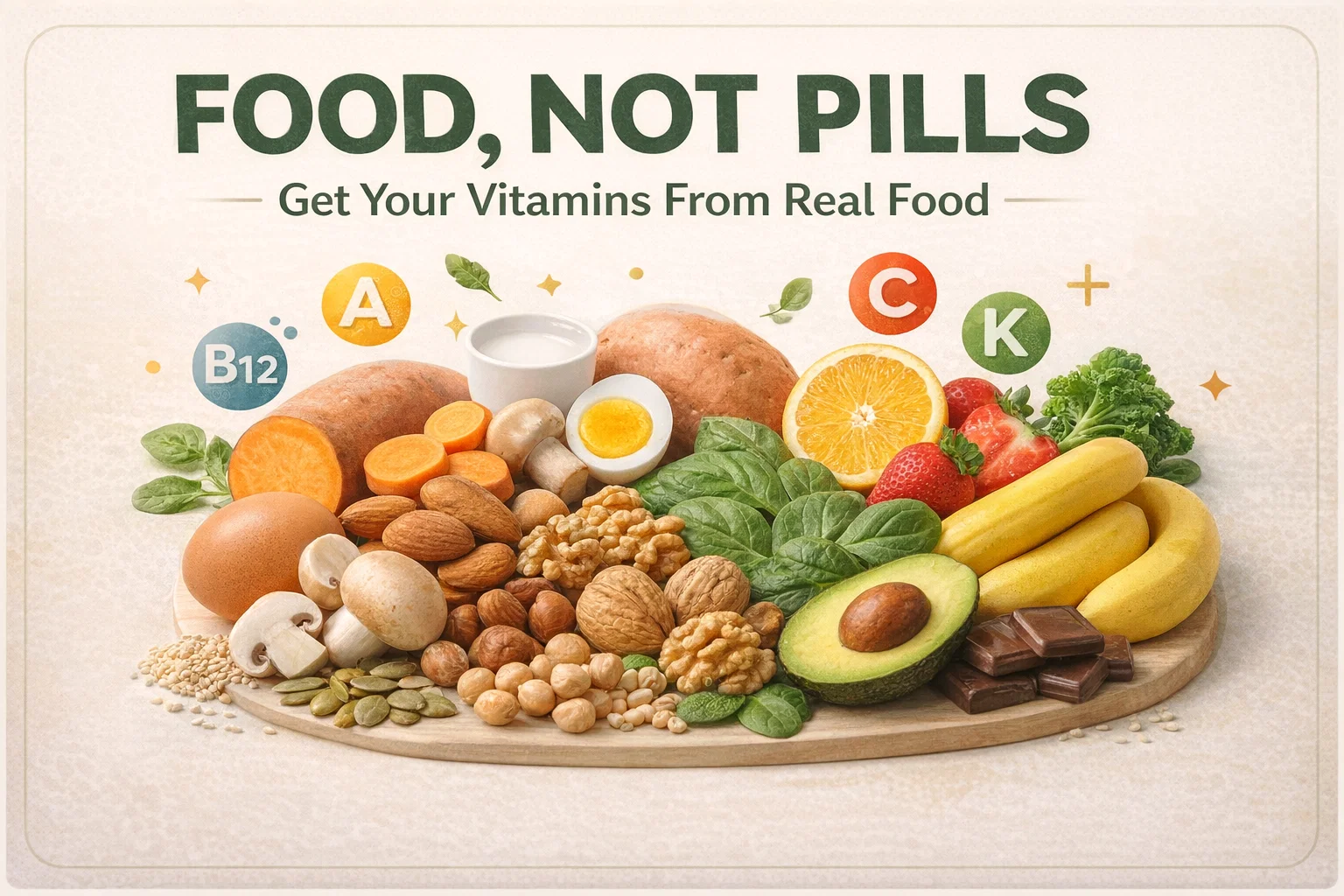
To hit your daily targets naturally, look to vibrant, orange-hued produce. Sweet potatoes are an incredible, delicious source. A single baked sweet potato provides far more than your daily requirement of beta-carotene. Carrots and apricots are also fantastic choices. Roasting your carrots with a generous drizzle of olive oil will actually enhance the absorption of this vital nutrient thanks to the added healthy fats.
The B-Vitamin Complex: Your Natural Energy Source
The B vitamins are a family of water-soluble nutrients that play a vital role in cellular energy production, optimal brain function, and DNA synthesis. Among them, Vitamin B12 is often a topic of concern, especially for those eating strictly plant-based diets. B12 is absolutely essential for nerve tissue health and the continuous creation of red blood cells.
Instead of relying on synthetic B-complex pills that often cause an unnatural energy spike, you can turn to nutrient-dense whole foods. Pasture-raised eggs and high-quality, unsweetened yogurt are excellent, highly bioavailable sources of B12. If you consume seafood, incorporating fatty fish like salmon or sardines a few times a week will easily cover your B12 needs while also providing a wealth of other cardiovascular benefits.
Vitamin C: The Ultimate Antioxidant Shield
When people feel a cold coming on, they immediately reach for fizzy Vitamin C tablets or gummy supplements. However, the organic Vitamin C found naturally in fresh fruits and vegetables is vastly superior. Vitamin C is essential for collagen production, rapid wound healing, and neutralizing harmful free radicals that cause cellular aging in the body.
Citrus fruits like oranges and grapefruits are famous for their Vitamin C content, but they are certainly not the only option. Strawberries pack a massive antioxidant punch, and bell peppers contain significantly more Vitamin C per ounce than a standard orange. Toss some chopped bell peppers into your morning egg scramble or snack on fresh strawberries to keep your immune system in top operating shape all year round.
Vitamin E for Cellular Protection and Glowing Skin
Vitamin E acts as a incredibly powerful fat-soluble antioxidant. It protects your cell membranes from oxidative stress and plays a crucial role in maintaining healthy, glowing skin and sharp eyes. Because it is fat-soluble, it is naturally found in whole foods that are naturally rich in healthy lipids.
Almonds are undeniably one of the best dietary sources of Vitamin E available. Just a small handful makes for a perfect, crunchy snack that protects your cells from the inside out. Sunflower seeds and hazelnuts are also incredibly rich in this specific nutrient. Try sprinkling raw sunflower seeds over your lunchtime salads or blending roasted hazelnuts into a homemade nut butter to naturally boost your daily Vitamin E intake.
Vitamin K: Essential for Blood and Bones
Vitamin K often flies under the radar in nutrition discussions, but it is absolutely critical for healthy blood clotting and building a strong, resilient skeletal system. It works synergistically with Calcium to ensure that the minerals you consume are safely deposited into your bones rather than calcifying in your arteries.
The absolute best way to get Vitamin K is by eating a mountain of fresh greens. Leafy vegetables like kale, broccoli, and spinach are heavily loaded with it. Sautéing your fresh spinach with a bit of minced garlic and extra virgin olive oil makes a delicious, savory side dish that perfectly delivers this essential vitamin directly to your digestive tract.
Mighty Minerals: The Building Blocks of a Balanced Body
While vitamins are organic, minerals are inorganic elements that originate deep in the soil and water. Plants absorb them through their roots, and we absorb them by eating those plants or by eating plant-eating animals. Minerals are responsible for everything from keeping your heart beating rhythmically to building strong, cavity-resistant teeth.
Calcium: Building a Strong Foundation
We have all been told since childhood to drink milk for strong bones, but dairy is far from the only viable source of dietary Calcium. This vital mineral is necessary for proper muscle function, clear nerve transmission, and reliable structural support for your entire frame.
If you are looking for excellent plant-based Calcium, almonds and sesame seeds are brilliant additions to your kitchen pantry. Tahini, which is a paste made purely from ground sesame seeds, is a creamy and versatile ingredient perfect for salad dressings and homemade hummus. Dark leafy greens like raw kale also provide highly bioavailable Calcium without the uncomfortable digestive issues some people experience when consuming heavy dairy products.
Iron: Fueling Your Cells with Oxygen
Iron is the core component of hemoglobin, which is the specialized protein in red blood cells that carries fresh oxygen from your lungs to every other part of your body. Low iron levels can quickly lead to crushing fatigue, weakness, and poor concentration.
You can find plenty of high-quality iron in the plant kingdom. Spinach is a well-known source, made famous by classic cartoons, but hearty legumes like lentils are even more potent. Quinoa, a fantastic gluten-free seed that cooks like a grain, is also incredibly rich in iron. To maximize plant-based iron absorption in your gut, always remember to pair these foods with a bright Vitamin C source, like a generous squeeze of fresh lemon juice over your warm lentil soup.
Magnesium: The Master of Relaxation
Magnesium is actively involved in over three hundred distinct biochemical reactions within the human body. It helps regulate smooth muscle and nerve function, keeps blood sugar levels stable, and maintains healthy blood pressure. It is also famous in wellness circles for its profound ability to calm a frantic nervous system and promote deep, restorative sleep.
Fortunately, Magnesium is found in some truly delicious, crave-worthy foods. Dark chocolate is a magnesium powerhouse, proving once and for all that healthy eating can absolutely include a daily dessert. Bananas and leafy spinach are also fantastic, accessible daily sources. A morning smoothie blending a handful of spinach, a ripe banana, and a large scoop of raw cacao powder is the ultimate magnesium-rich treat to start your day.
Zinc: Guarding Your Immune Health
Zinc is a trace mineral that is absolutely crucial for rapid immune cell development, DNA creation, and healing damaged physical tissues. Even a slight deficiency in zinc can make you significantly more susceptible to catching seasonal bugs and extending the duration of common colds.
To keep your zinc levels optimal without reaching for lozenges, stock up on seeds and hearty legumes. Pumpkin seeds are incredibly nutrient-dense and make a great crunchy, savory topping for creamy soups or morning oatmeal. Chickpeas and roasted cashews are also excellent dietary sources. Roasted chickpeas seasoned generously with smoked paprika and cumin make for a perfect, immune-boosting afternoon snack.
Potassium: Regulating Your Rhythms
Potassium acts as a critical electrical electrolyte, helping to conduct vital electrical charges safely throughout the body. It is absolutely vital for maintaining regular heartbeats, ensuring proper muscle contractions during exercise, and balancing fluid levels inside and outside of your cells.
Bananas are undoubtedly the most famous source of dietary potassium, but creamy avocados actually contain significantly more of this mineral per standard serving. Potatoes, particularly when baked and eaten with the fibrous skin still on, are another truly exceptional source. A hot baked potato topped with fresh avocado mash is a potassium-packed meal that will keep your muscles functioning flawlessly.
The Essential Fatty Acids: Prioritizing Omega-3s
While not technically classified as a vitamin or a mineral, Omega-3 fatty acids are essential, life-sustaining nutrients that your body simply cannot produce on its own. They are remarkably critical for preserving long-term brain health, drastically reducing systemic inflammation, and maintaining excellent cardiovascular function over your lifespan.
Many people routinely take large fish oil pills, but whole food plant sources are incredibly potent, affordable, and highly sustainable. Walnuts are the ultimate brain food, quite literally resembling the shape of a human brain, and are densely packed with Omega-3s. Flaxseeds and tiny chia seeds are also recognized nutritional superstars. Adding just two tablespoons of freshly ground flaxseed to your morning yogurt or oats is a completely effortless way to meet your daily Omega-3 requirements naturally.
Actionable Steps to Transition to a Whole Food Diet
Making the conscious switch from popping morning pills to eating whole, nutrient-dense foods is an incredibly empowering health journey. It fundamentally shifts your mindset from treating your body like a mechanical machine to nourishing it like a complex, living ecosystem. Here are a few practical, easy steps to help you make this nutritional transition seamlessly.
- Focus on Colorful Plates: Aim to eat the rainbow every single day. Different vibrant colors in fresh produce clearly indicate different beneficial phytonutrients and essential vitamins. If your dinner plate is constantly brown and beige, you are undoubtedly missing out on vital daily nutrients.
- Embrace Dietary Fats: Never fear high-quality fat. As we discussed thoroughly, vitamins A, D, E, and K absolutely require dietary fat for your body to absorb them. Drizzle rich olive oil on your bitter greens, eat the nutrient-dense egg yolks, and enjoy sliced avocados freely.
- Prioritize Complex Grains and Legumes: Swap out heavily refined, white carbohydrates for wholesome quinoa, hearty lentils, and versatile chickpeas. These are affordable nutrient powerhouses packed tightly with iron, zinc, and B vitamins.
- Keep Nuts and Seeds Accessible: Keep glass jars of raw almonds, pumpkin seeds, and walnuts visibly on your kitchen counter. They are the perfect, healthy fast food, providing instantaneous doses of magnesium, vitamin E, and essential fatty acids when hunger strikes.
- Listen to Your Body’s Feedback: True, holistic nourishment makes you feel genuinely vibrant, energetic, and clear-headed. Pay close attention to how your daily energy levels naturally stabilize when you finally replace synthetic energy boosters with real, wholesome meals.
Conclusion: Embrace the Power of Natural Nourishment
The human body is an incredibly complex, brilliant biological system that has actively evolved over thousands of years to extract exactly what it needs from the natural environment surrounding it. While there is certainly a time and a place for targeted medical supplementation under a qualified doctor’s supervision, the core foundation of your health should always be built securely on a plate of real food. Manufactured supplements simply cannot mimic the complex, magical matrix of dietary fiber, natural antioxidants, and essential micronutrients found in nature’s bounty.
By consciously choosing whole foods over isolated pills, you are doing much more than just rigidly hitting your daily nutritional quotas. You are actively engaging in a holistic, rewarding act of self-care. You are taking the time to enjoy the crisp crunch of fresh bell peppers, the creamy richness of an avocado, and the comforting, earthy sweetness of a roasted sweet potato. Food is meant to be savored and enjoyed, not just swallowed hastily with a quick sip of water in the early morning. So the next time you think about buying a pricey bottle of multivitamins, consider taking that money to the local farmer’s market instead. Nourish your body naturally with fresh ingredients, because your body recognizes, respects, and deeply appreciates the power of real food.