Food Not Pills Natural Vitamin Mineral Food Sources
We live in an era where there seems to be a pill, powder, or gummy for every imaginable health concern. Walking down the supplement aisle can often feel completely overwhelming, with countless bottles promising boundless energy, perfect digestion, and vibrant health. However, the secret to true, lasting wellness does not come from a laboratory. It comes straight from the earth. Adopting a food first approach is the most effective way to nourish your body, support optimal gut health, and achieve that coveted natural glow from the inside out.
Whole foods contain a complex matrix of vitamins, minerals, dietary fiber, and beneficial phytochemicals that work together synergistically. When you isolate a single nutrient into a pill, you lose this crucial teamwork. Your body is incredibly smart. It is designed to recognize, absorb, and utilize nutrients best when they are consumed in their natural state. Today, we are going to dive deep into how you can transition away from an excessive supplement routine and get your essential vitamins and minerals directly from delicious, real food.
Why Real Food Triumphs Over Synthetic Supplements
Before we break down the specific foods you should add to your grocery list, it is important to understand why real food is superior to synthetic supplements. The key lies in bioavailability. Bioavailability refers to the proportion of a nutrient that is absorbed from the diet and used for normal body functions. Nutrients in whole foods are highly bioavailable because they come packaged with co-factors and enzymes that assist in the absorption process.
For example, taking a high dose of an isolated vitamin might result in your body simply excreting the excess. In contrast, eating a vibrant, anti-inflammatory diet provides a steady, manageable stream of nutrients that your digestive system can easily process. Furthermore, focusing on whole foods naturally increases your fiber intake. Fiber is absolutely essential for feeding the beneficial bacteria in your microbiome, leading to improved gut health, better digestion, and a stronger immune system.
Your Ultimate Whole Food Vitamin Guide
Vitamins are organic compounds that your body needs to grow and function normally. Rather than popping a multivitamin, you can easily meet your daily requirements by enjoying a colorful, varied diet.
Vitamin A for Glowing Skin and Vision
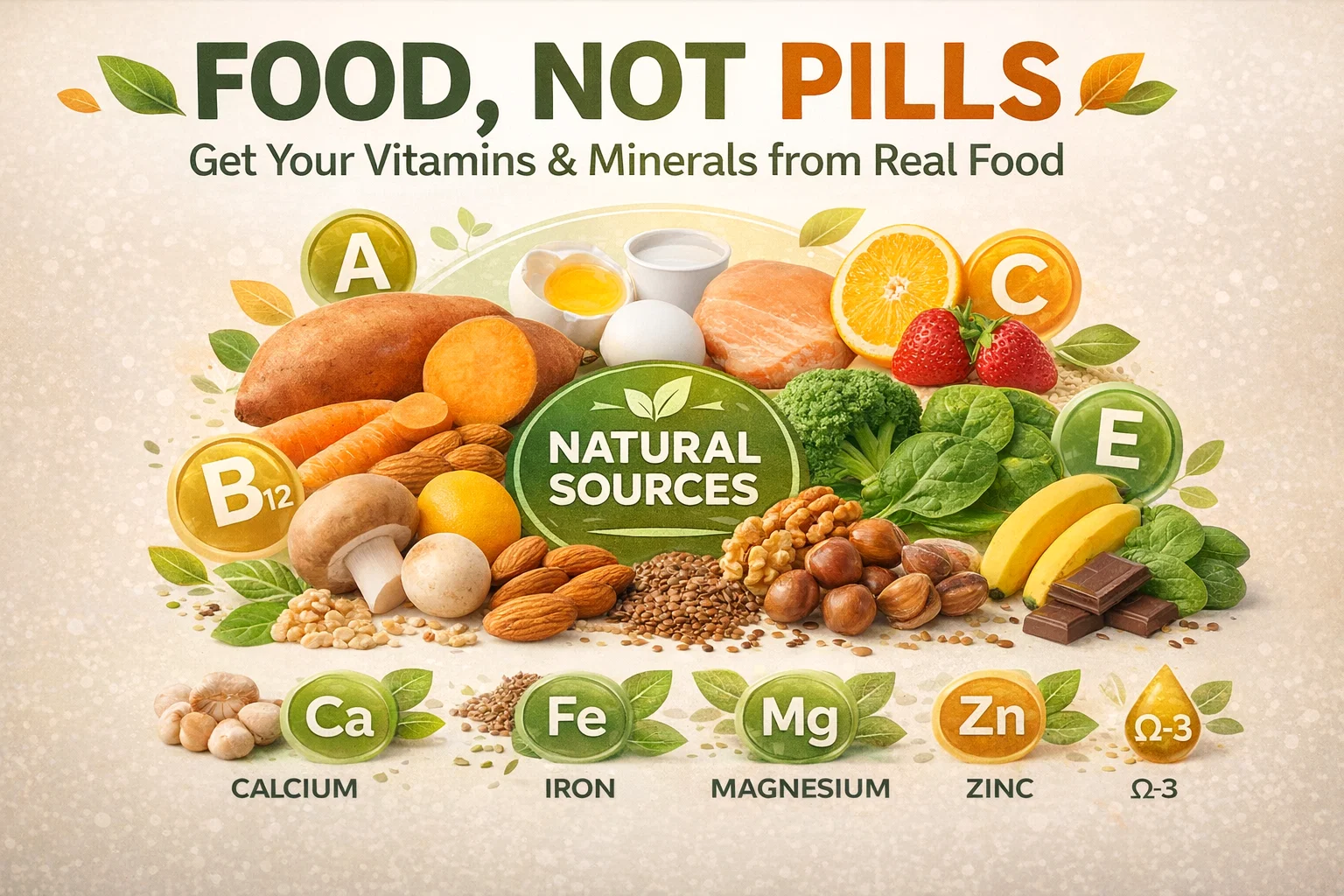
If you are looking for a natural way to support clear, glowing skin and protect your eyesight, Vitamin A is your best friend. This powerful antioxidant helps speed up healing, prevent breakouts, and support the skin’s immune system. You can easily find abundant amounts of Vitamin A in sweet potatoes, carrots, and apricots. Roasting sweet potatoes with a little olive oil not only tastes amazing but also helps your body absorb this fat-soluble vitamin more effectively.
Vitamin B12 for Endless Energy
Feeling sluggish during your long study sessions or afternoon work hours? Vitamin B12 is critical for nerve tissue health, brain function, and the production of red blood cells. A deficiency can lead to intense fatigue and brain fog. To keep your cognitive functions sharp and your energy levels stable, incorporate sources like eggs, yogurt, and wild-caught fish into your meals. A morning bowl of Greek yogurt topped with berries is a perfect brain-boosting breakfast.
Vitamin C to Boost Immunity and Collagen
Vitamin C is famous for its immune-boosting properties, but it is also a vital component of any anti-aging routine. Your body needs Vitamin C to synthesize collagen, the protein responsible for keeping your skin firm and youthful. You can skip the high-dose vitamin C packets and instead reach for oranges, fresh strawberries, and crunchy bell peppers. Adding sliced bell peppers to your salads or snacking on strawberries provides a delicious and refreshing dose of this water-soluble nutrient.
The Sunshine Vitamin and Cellular Health
While often associated purely with sunlight, certain foods provide crucial nutrients that support bone health and immune function similarly to Vitamin D. Mushrooms, egg yolks, and fortified cereals are fantastic additions to your diet. Mushrooms, especially when exposed to UV light, are one of the rare plant sources of these vital compounds. Cooking up a hearty mushroom and egg yolk omelet is a fantastic way to start your day with functional, whole-food nutrition.
Vitamin E for Cellular Protection
Protecting your cells from oxidative stress is essential for long-term wellness and reducing inflammation throughout the body. Vitamin E acts as a shield for your cells. Almonds, sunflower seeds, and hazelnuts are absolute powerhouses when it comes to Vitamin E content. Keep a small jar of mixed nuts and seeds on your desk for a crunchy, satisfying snack that protects your body at a microscopic level.
Vitamin K for Bone and Heart Health
Often overlooked, Vitamin K plays a massive role in blood clotting and bone metabolism. It helps ensure that calcium is directed to your bones rather than building up in your arteries. Dark leafy greens are the ultimate source of Vitamin K. Loading up your plate with kale, broccoli, and spinach will give you more than enough of this vital nutrient. Try massaging raw kale with avocado oil and lemon juice for a tender, nutrient-dense salad base.
Essential Minerals You Need Every Day
Minerals are inorganic elements that come from the soil and water, absorbed by plants or eaten by animals. Your body needs larger amounts of macrominerals and smaller amounts of trace minerals to function at its peak.
Calcium Beyond Dairy
We have all been told that we need milk for strong bones, but the plant kingdom offers incredible sources of highly absorbable calcium. Almonds, sesame seeds, and kale are excellent choices for maintaining bone density and supporting muscle function. Tahini, which is made from ground sesame seeds, makes a creamy and delicious dressing for your anti-inflammatory vegetable bowls, giving you a stealthy boost of calcium.
Iron for Strength and Vitality
Iron is responsible for transporting oxygen from your lungs to the rest of your body. If you are lacking iron, you will feel exhausted no matter how much you sleep. Plant-based sources of iron, known as non-heme iron, include spinach, lentils, and quinoa. To maximize your body’s ability to absorb this type of iron, pair these foods with a source of Vitamin C. A spinach and lentil salad tossed with a bright, citrusy vinaigrette is a scientifically perfect pairing.
Magnesium The Relaxation Mineral
Stress depletes magnesium, and in our fast-paced world, many people are running low on this crucial mineral. Magnesium regulates muscle and nerve function, blood sugar levels, and blood pressure. It is also wonderful for promoting deep, restorative sleep. Bananas, dark chocolate, and spinach are rich in magnesium. Treating yourself to a square of high-quality dark chocolate alongside a banana is not just a tasty dessert; it is a strategic move for your nervous system.
Zinc for Immune Support and Healing
Zinc is a trace mineral that is necessary for a healthy immune system. A lack of zinc can make a person more susceptible to disease and illness. It is also vital for wound healing and maintaining your sense of taste and smell. Pumpkin seeds, chickpeas, and cashews are packed with zinc. Roasting chickpeas with your favorite spices creates a crispy, savory snack that supports your immune defenses much better than a synthetic lozenge.
Potassium for Fluid Balance and Muscle Function
Potassium helps your nerves to function and muscles to contract. It helps your heartbeat stay regular and offsets some of the harmful effects of sodium on blood pressure. Avocados, bananas, and potatoes are some of the most potassium-rich foods available. A baked potato topped with mashed avocado is a hearty, comforting meal that supplies a massive dose of this essential mineral.
Omega-3 Fatty Acids for Brain and Heart Health
While not a vitamin or mineral, Omega-3 fatty acids are absolutely crucial for your overall health, particularly when it comes to brain function and reducing systemic inflammation.
Shutterstock
Explore
If you are focusing heavily on cognitive tasks, like studying for major exams or managing complex projects, Omega-3s are your ultimate brain food. Walnuts, flaxseeds, and chia seeds are incredible plant-based sources. You can easily sprinkle ground flaxseeds or chia seeds into your morning oatmeal, smoothies, or yogurt bowls. They add a pleasant, nutty texture while delivering powerful anti-inflammatory benefits that support both your cardiovascular system and your cognitive clarity.
How to Transition to a Food First Approach
Shifting from relying on supplements to getting your nutrients from whole foods does not have to happen overnight. It is all about making small, sustainable changes to your daily habits.
- Start with a Colorful Plate: Challenge yourself to include at least three different colors of fruits or vegetables in every meal. The different colors represent different phytonutrients and vitamin profiles.
- Focus on Whole Grains: Swap out refined white bread and pasta for nutrient-dense options like quinoa, brown rice, or whole wheat. These contain the natural vitamins and minerals that are stripped away during processing.
- Embrace Healthy Fats: Vitamins A, D, E, and K are fat-soluble, meaning your body needs dietary fat to absorb them properly. Always pair your vibrant vegetables with healthy fats like olive oil, avocado, or nuts.
- Plan Your Snacks: Instead of reaching for a processed energy bar, prep whole-food snacks. A handful of almonds and a piece of fruit will provide sustained energy and a broad spectrum of nutrients.
By focusing on an anti-inflammatory diet rich in these whole foods, you are not just hitting your daily nutritional targets. You are actively investing in your long-term wellness, promoting better gut health, and cultivating a radiant, healthy appearance.
Conclusion: Nourish Naturally
The saying “you are what you eat” holds profound truth. While high-quality supplements definitely have their place for specific, medically diagnosed deficiencies, they should never be used as a replacement for a poor diet. Real food offers a complex, beautiful synergy of nutrients that science simply cannot replicate in a pill form. By prioritizing nutrient-dense vegetables, fruits, nuts, seeds, and quality proteins, you are providing your body with exactly what it needs to thrive. Embrace the power of the produce aisle, experiment with new whole-food recipes, and watch as your energy levels, skin clarity, and overall vitality transform naturally.
Are there any specific whole-food recipes or meal prep strategies you would like me to generate to help you incorporate these ingredients into your weekly routine?