9 Best Foods to Naturally Boost Dopamine Levels
Have you ever woken up feeling unmotivated, sluggish, or just a little bit cloudy? It happens to the best of us. Sometimes we look for complex solutions to fix our focus and mood. We might try strict new routines, expensive supplements, or endless productivity hacks. However, the secret to feeling energized and driven might actually be sitting right inside your kitchen pantry. Your daily diet plays an incredibly powerful role in how your brain functions, and one of the most important chemical messengers in this process is dopamine.
Often referred to as the motivation molecule, dopamine is responsible for how we experience pleasure, maintain our focus, and find the drive to achieve our goals. When your levels are optimal, you feel sharp, happy, and ready to take on the world. When they drop, you might experience brain fog, fatigue, and a lack of interest in your usual activities. The amazing news is that you do not need to rely on artificial energy spikes to get that good feeling back. By incorporating specific, nutrient-dense foods into your meals, you can naturally support and boost your brain chemistry. Let us explore how you can eat your way to a better mood.
Understanding the Magic of Dopamine
Before we dive into the ultimate grocery list for your brain, it is helpful to understand exactly what we are trying to achieve. Dopamine is a neurotransmitter. You can think of neurotransmitters as tiny chemical messengers that send signals across the vast network of your nervous system.
This specific messenger acts heavily in the reward center of your brain. Every time you complete a difficult task, hug a loved one, or eat a delicious meal, your brain releases a satisfying hit of this chemical. It reinforces positive behaviors and makes you want to repeat them. But it is not just about rewards. This chemical is absolutely vital for motor control, executive function, and sustained attention. Your body manufactures this neurotransmitter through a complex process that requires specific vitamins, minerals, and amino acids. If you are not providing your body with the raw materials it needs through your diet, your brain simply cannot produce enough of it to keep you functioning at your peak.
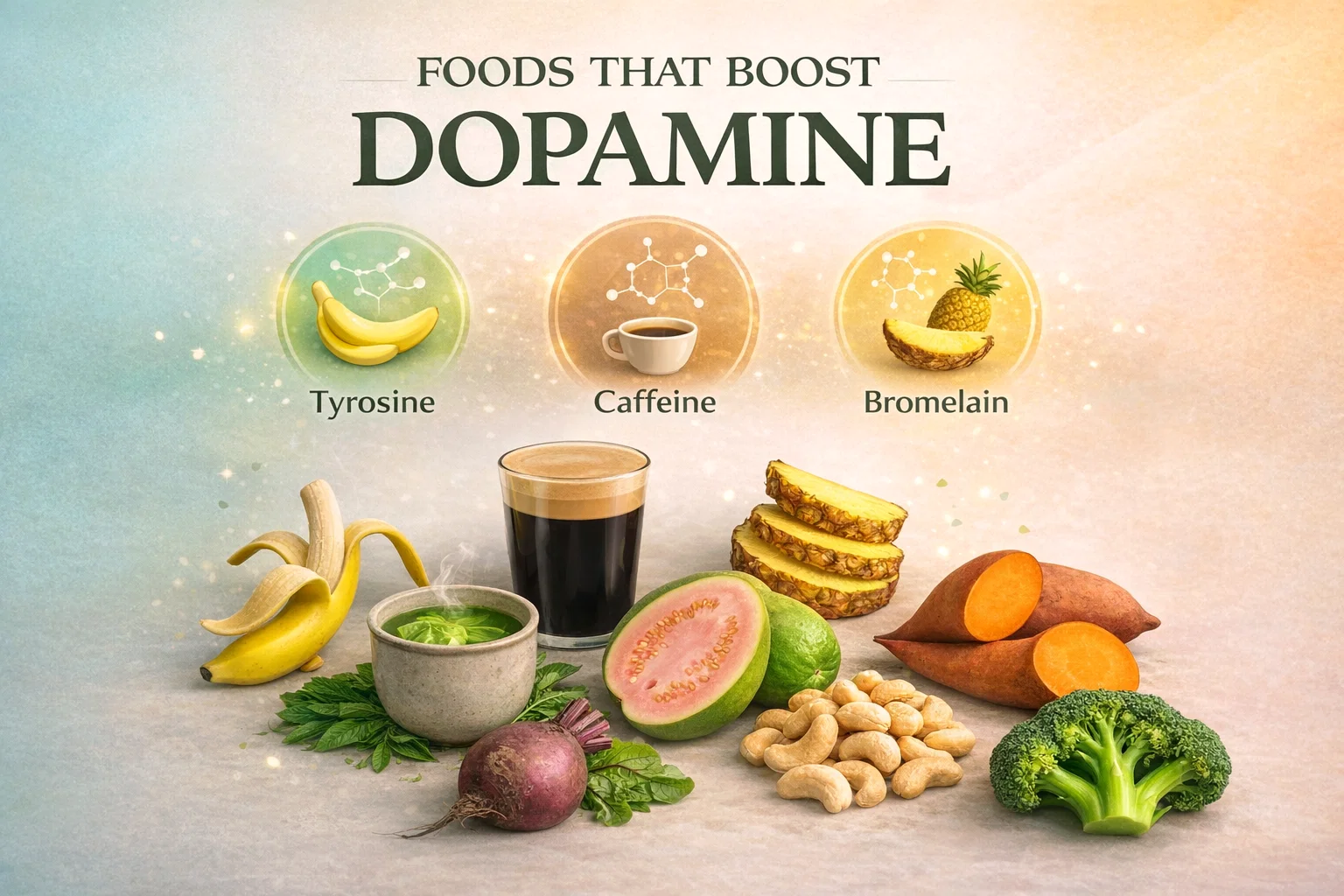
1. Bananas: Your Daily Dose of Tyrosine
Bananas are incredibly popular for their convenience and sweet taste, but they are also a powerhouse for your mental well-being. The secret lies in a specific amino acid called tyrosine. Tyrosine is a direct building block for dopamine. When you consume foods rich in this amino acid, it crosses the blood-brain barrier and undergoes a series of enzymatic conversions to eventually become the motivation molecule you need.
Furthermore, as bananas ripen, their concentration of certain beneficial compounds actually increases. Eating a ripe banana provides a quick source of natural carbohydrates for immediate brain energy, alongside the tyrosine needed for sustained focus. They are incredibly easy to add to your daily routine. You can slice them over your morning oatmeal, blend them into a creamy green smoothie, or simply enjoy one on the go as a mid-morning pick-me-up. By making them a regular part of your diet, you are giving your brain the foundational materials it needs to thrive.
2. Coffee: The Classic Caffeine Kick
For millions of people around the world, the day does not truly begin until that first cup of coffee is consumed. While we all know it wakes us up, the science behind why it makes us feel so good is fascinating. The caffeine found in coffee acts as a central nervous system stimulant. It primarily works by blocking adenosine, a chemical that makes you feel sleepy. However, it also has a secondary, highly beneficial effect on your brain chemistry.
Caffeine increases the availability of dopamine receptors in the brain. This means that not only does it help your body release more of the chemical, but it also makes your brain more sensitive and receptive to the dopamine that is already there. This is exactly why a fresh cup of coffee can suddenly make a tedious task feel manageable and even enjoyable. The key with coffee is moderation. Consuming it in healthy amounts can offer fantastic cognitive benefits, but overdoing it can lead to jitters and an eventual crash. Enjoy your morning brew mindfully to reap the best rewards.
3. Pineapple: Powered by Bromelain
Pineapple is a tropical delight that brings a burst of sunshine to any meal, and it is equally fantastic for your neurological health. The standout compound in pineapple is bromelain. Bromelain is a powerful enzyme complex known primarily for its ability to digest proteins and significantly reduce inflammation throughout the body.
You might wonder how reducing inflammation helps your mood. Chronic inflammation is a known enemy of brain health. When your body is inflamed, it can disrupt the normal production and signaling of neurotransmitters. By eating anti-inflammatory foods like pineapple, you are actively protecting your brain cells and creating an optimal environment for chemical messengers to flow freely. Pineapple also provides a great dose of vitamin C and manganese, both of which support overall cellular function. Try adding fresh pineapple chunks to your yogurt, grilling it for a sweet and savory dinner side, or mixing it into a refreshing fruit salad.
4. Green Tea: Calming Energy with L-theanine
If coffee leaves you feeling a bit too wired, green tea is the perfect alternative. Green tea has been celebrated for centuries in various cultures for its profound health benefits, and modern science perfectly backs up these ancient claims. The magic ingredient here is L-theanine, an amino acid predominantly found in tea leaves.
L-theanine has the unique ability to cross the blood-brain barrier and promote relaxation without causing drowsiness. It does this by increasing the production of calming neurotransmitters while simultaneously supporting dopamine levels. When you drink green tea, you get a small amount of caffeine combined with L-theanine. This combination produces a state of relaxed alertness. You get the focus and motivation from the dopamine boost, but the L-theanine smooths out the edges, preventing any anxiety or jitters. A warm cup of matcha or steeped green tea in the early afternoon is an excellent way to maintain your productivity and keep your mood elevated.
5. Guava: Loaded with Vitamin C
Guava is a vibrant, incredibly flavorful fruit that often gets overlooked in the produce aisle, but it deserves a prime spot in your diet. This fruit is an absolute powerhouse when it comes to Vitamin C. In fact, a single guava contains significantly more Vitamin C than an orange.
Vitamin C is not just for fighting off the common cold. It is a critical cofactor in the synthesis of dopamine. Without adequate Vitamin C, your body struggles to convert precursor amino acids into the active neurotransmitters your brain requires. Additionally, Vitamin C is a potent antioxidant. The process of creating and utilizing dopamine naturally produces free radicals, which can damage cells if left unchecked. The high antioxidant content in guava neutralizes these free radicals, protecting your delicate neural pathways. Enjoy guava fresh, scoop out the sweet center, or blend it into a tropical juice blend to support your brain health.
6. Sweet Potatoes: Sourced for Beta-carotene
Sweet potatoes are a comforting, versatile root vegetable that brings vibrant color and vital nutrients to your plate. That deep orange hue is a dead giveaway for their most important compound which is beta-carotene. Beta-carotene is a type of carotenoid that your body converts into Vitamin A, and it serves as a powerful antioxidant in the brain.
Protecting your dopaminergic neurons from oxidative stress is crucial for maintaining healthy motivation levels as you age. Sweet potatoes do exactly that. Beyond their antioxidant properties, sweet potatoes are a fantastic source of complex carbohydrates. Your brain relies heavily on a steady, stable supply of glucose for energy. Unlike sugary snacks that cause a rapid spike and crash in blood sugar, the complex carbs and fiber in sweet potatoes provide a slow, sustained release of energy. This stable environment prevents mood swings and keeps your focus sharp for hours. Roast them with a touch of cinnamon, mash them as a savory side, or even bake them into healthy fries.
7. Beets: Boosting Blood Flow with Nitrates
Beets are earthy, deeply pigmented, and arguably one of the most effective foods for cardiovascular and brain health. The secret weapon in beets is their incredibly high concentration of dietary nitrates. When you consume beets, your body converts these nitrates into nitric oxide.
Nitric oxide acts as a vasodilator. This means it relaxes and widens your blood vessels, leading to significantly improved blood flow throughout your entire body, including your brain. Enhanced cerebral blood flow means more oxygen and vital nutrients are delivered directly to your brain cells. This optimized delivery system ensures that the areas of your brain responsible for producing and regulating neurotransmitters are fully nourished and functioning at their absolute best. Whether you juice them, roast them in olive oil, or grate them raw into a hearty salad, beets are a phenomenal addition to a mood-boosting diet.
8. Cashews: Packed with Essential Copper
Nuts are a staple in any healthy diet, but cashews hold a special place when it comes to supporting your mental drive. These crescent-shaped nuts are delicious, creamy, and packed with an essential trace mineral called copper. Many people are unaware of how important copper is for neurological function.
Copper plays a mandatory role in the enzymatic processes that synthesize monoamine neurotransmitters, which includes dopamine. A deficiency in copper can lead to a sluggish nervous system and a depressed mood. Cashews provide an easy and delicious way to meet your daily copper requirements. Furthermore, they are rich in healthy monounsaturated fats and plant-based protein, which help stabilize your blood sugar and keep you feeling full and satisfied. Keep a small handful of cashews at your desk for a brain-boosting afternoon snack, or blend them into a creamy, dairy-free sauce for your evening pasta.
9. Broccoli: Protective Sulforaphane
Broccoli is the quintessential health food, and your mother was absolutely right when she told you to eat your little trees. This cruciferous vegetable is a nutritional powerhouse, but its greatest benefit for the brain comes from a sulfur-rich compound called sulforaphane.
Sulforaphane is one of the most potent naturally occurring antioxidants and detoxifiers available to us. It actively protects the brain against neurotoxicity and oxidative damage. By defending your brain cells from external and internal stressors, sulforaphane ensures that your dopamine-producing neurons remain healthy and highly functional. Furthermore, broccoli supports a healthy gut microbiome. Emerging science shows a massive connection between gut health and brain health, often referred to as the gut-brain axis. A happy gut directly contributes to a happy mind. Steam your broccoli lightly to preserve the sulforaphane, toss it in olive oil and garlic, or add it to a vibrant stir-fry.
Beyond the Plate: Holistic Brain Health
While adding bananas, cashews, and green tea to your diet will provide excellent building blocks for your brain chemistry, it is important to remember that true wellness is holistic. Food is the foundation, but your lifestyle habits determine how effectively your body uses those nutrients.
Sleep is arguably the most critical factor outside of your diet. Your brain actually flushes out toxins and replenishes its neurotransmitter receptors while you rest. Aim for seven to nine hours of quality sleep each night to ensure you wake up ready to utilize the nutrients you ate the day before. Regular physical exercise is another massive trigger for the release of the motivation molecule. Even a brisk thirty-minute walk can flood your system with feel-good chemicals and improve your focus for hours afterward. Finally, make sure you are getting outside. Sunlight exposure, especially in the early morning, helps regulate your circadian rhythm and directly stimulates the production of mood-enhancing hormones.
Conclusion: Eat Your Way to a Better Mood
Taking control of your mental clarity and motivation does not have to be an overwhelming challenge. By making simple, intentional choices at the grocery store, you can profoundly impact how you feel every single day. The foods we have explored are not exotic or difficult to find. They are delicious, natural ingredients that offer incredible benefits for your mind and body.
Start small by incorporating just one or two of these items into your meals this week. Swap your afternoon energy drink for a cup of green tea, toss some beets into your salad, or reach for a handful of cashews when the afternoon slump hits. Nourish your brain with the right ingredients, and you will be amazed at the natural focus, drive, and joy that follows. Your mind is your most valuable asset, so feed it well.