All About Red Clover Herbal Benefits, Uses Growing Guide
Welcome to another deep dive into the wonderful world of natural remedies and holistic health. If you have ever taken a stroll through a sunny meadow or pasture, chances are you have brushed past one of the most incredible, yet understated, healing plants nature has to offer. We are talking about Red Clover, known botanically as Trifolium pratense. In our modern quest for wellness, we often look for complex solutions, but sometimes the most profound support comes from the gentle blossoms growing right under our feet. Today, we are going to explore everything you need to know about this beautiful plant, from its rich history and incredible health benefits to a complete guide on how to grow and use it in your own home apothecary.
What Exactly is Red Clover?
Before we can truly appreciate the benefits of Red Clover, we need to understand what it is. Red Clover is a perennial flowering herb that belongs to the pea family, scientifically known as the Fabaceae family. It is incredibly common and easily recognizable once you know what to look for.
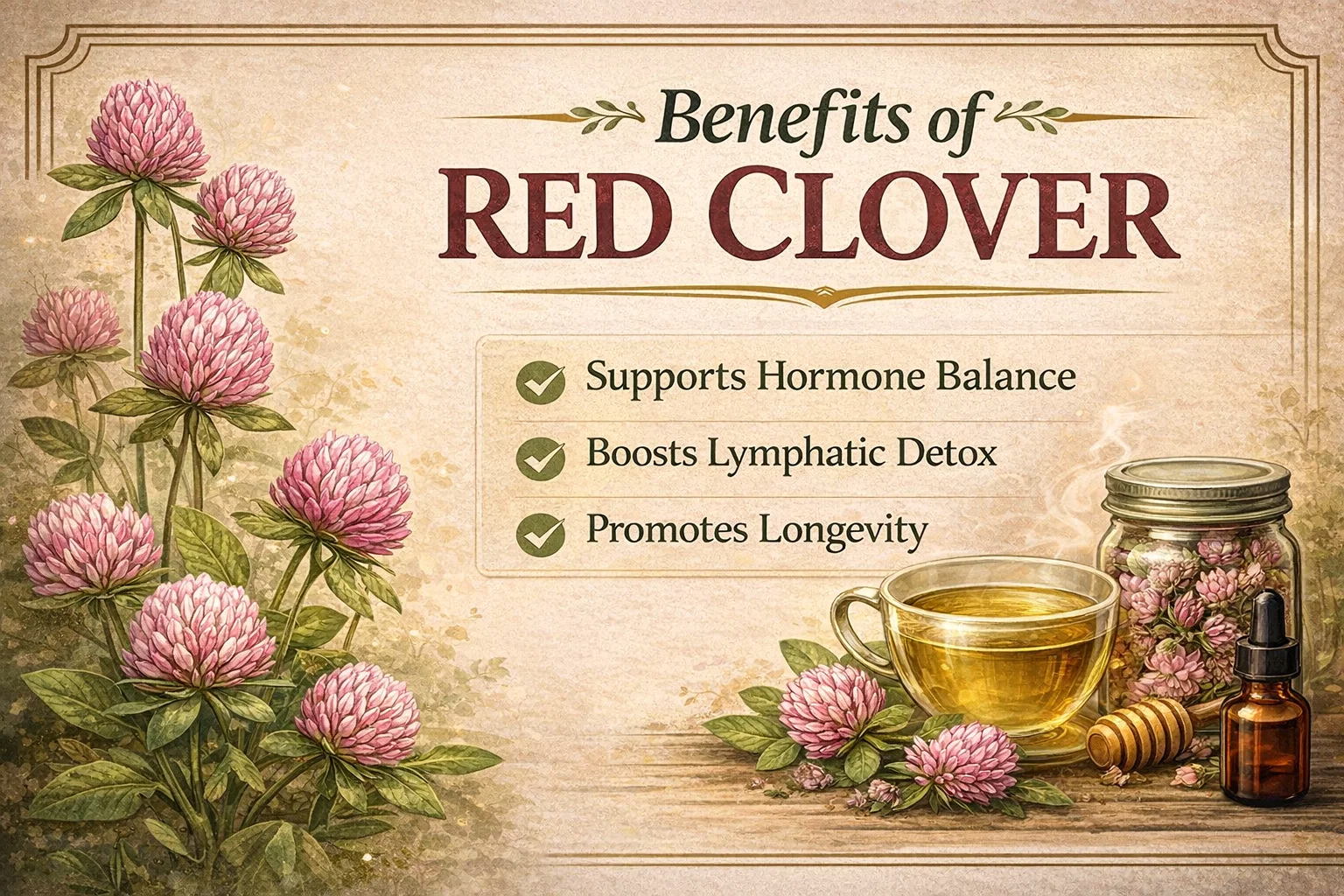
The plant features distinct, rounded flower heads that range in color from a delicate pink to a vibrant, rosy purple. These gorgeous blossoms sit atop stems that hold trifoliate leaves. Trifoliate simply means the leaves are divided into three leaflets, a classic characteristic that many people associate with clovers. When it comes to herbal medicine, the magic truly lies in those vibrant flower tops. Herbalists utilize these flower heads either fresh or dried. For the most potent medicinal qualities, the flowers are best collected right at the peak of their full bloom. It is highly recommended to harvest them during dry weather to prevent any mold growth and then dry them promptly for long-term storage.
The Incredible Health Benefits of Red Clover
Red Clover is widely celebrated in the herbalism community for being a gentle yet deeply effective ally for the body. It is not a harsh, fast-acting stimulant. Instead, it works slowly and steadily to build foundational health. Let us break down some of its most remarkable traditional uses.
Superior Lymphatic Support
One of the absolute standout benefits of this meadow blossom is its ability to support the lymphatic system. Your lymphatic system is essentially your body’s drainage and filtration network. Sometimes, due to illness, stress, or a sedentary lifestyle, this system can become slow or stagnant. Red Clover acts as a gentle mover. It encourages healthy lymph flow, helping your body naturally clear out metabolic waste and maintain a clean, vibrant internal environment. If you ever feel sluggish or “stuck,” this herb is a wonderful botanical partner to get things moving again.
Deep Nourishment During Times of Depletion
Life can be incredibly demanding. Prolonged stress, recovery from an illness, or simply running yourself ragged can leave your body feeling entirely depleted of essential nutrients. Red Clover steps in as a deeply nutritive herb. Because its roots reach deep into the soil, the plant pulls up a wealth of trace minerals and vitamins. Consuming it regularly acts almost like a gentle, plant-based multivitamin, offering profound nutritive support to help rebuild your strength and vitality when you are feeling run down.
Strengthening Connective Tissues
As we age, or if we lead highly active lifestyles, our connective tissues require ongoing support. Red Clover has been traditionally used to support these vital tissues over time. The rich mineral profile found in the blossoms helps to maintain the integrity and elasticity of the structural components of your body. It is an excellent addition to a long-term wellness routine aimed at keeping your body resilient and strong.
Cultivating Long-Term Vitality
Because it combines gentle detoxification through lymphatic support with deep remineralization, Red Clover is the ultimate herb for long-term vitality. It does not force the body into action. It nourishes, cleanses, and restores balance. Consistent, daily use of this gentle plant can lead to a noticeable shift in your overall energy levels and general sense of well-being.
A Peek into the History of This Gentle Meadow Blossom
The story of Red Clover is deeply intertwined with human agriculture and domestic life. For centuries, it has been a highly familiar sight in pastures and meadows across the globe. Historically, it was immensely valued as a forage crop for livestock because of its high protein and mineral content, which helped keep animals healthy and strong. However, its value did not stop at the barnyard doors.
Red Clover was also kept close at hand as a beloved household herb and a seasonal food plant. Before the advent of modern pharmacies, families relied on the plants growing around their homesteads to treat everyday ailments and boost their nutrition. The blossoms were often gathered in the spring and summer to be dried for winter teas, ensuring that the family had access to its vital nutrients all year round. It is a wonderful feeling to connect with this ancestral knowledge and bring such a historically revered plant back into our modern lives.
How to Grow Your Own Red Clover at Home
If you are passionate about holistic health and natural remedies, there is nothing quite as rewarding as growing your own medicine. The good news is that Red Clover is remarkably easy to cultivate, making it a perfect addition to any herbalist apothecary garden, regardless of your gardening experience level.
Sunlight and Soil Requirements
To thrive, Red Clover prefers a spot in your garden that receives full sun to partial shade. It is quite adaptable to different light conditions, but a sunny spot will yield the most abundant blossoms. When it comes to soil, this plant favors well-drained conditions. It does not like to sit in waterlogged earth. While it can tolerate poor soils, it truly flourishes in soil with moderate fertility. Interestingly, because it is a legume, it actually helps fix nitrogen in the soil, making it a fantastic companion plant that improves the health of your entire garden.
Sowing and Maintenance
Planting Red Clover is a straightforward process. You can direct sow the seeds right into your garden beds either in the spring as the earth warms or in the early fall. Once the seeds are in the ground, the key is to keep the soil evenly moist until the young plants are fully established. They need that consistent hydration to build strong root systems.
Once your clover is happily growing and producing those lovely pink flowers, you can begin your harvest. A great tip for continuous production is to cut the plant back after it finishes flowering. This simple act of pruning encourages robust regrowth, ensuring you get multiple harvests of medicinal blossoms throughout the growing season.
Simple and Effective Ways to Use Red Clover
Having a jar of dried Red Clover blossoms in your pantry opens up a world of natural remedy possibilities. Here are some of the most traditional and effective ways to incorporate this gentle herb into your daily routine.
Soothing Herbal Teas and Infusions
Creating a nourishing tea, also known as an infusion, is perhaps the most popular way to enjoy Red Clover. Simply take a handful of dried blossoms, place them in a heat-proof jar or mug, and pour boiling water over them. Let it steep for anywhere from fifteen minutes to a few hours. A longer steep pulls out more of the deep minerals. Strain the liquid and enjoy a slightly sweet, earthy beverage that deeply nourishes your body from the inside out. This is a perfect daily habit for promoting lymphatic flow and clear skin.
Potent Tinctures
If you prefer a more concentrated form of herbal support, making a tincture is an excellent choice. A tincture is created by soaking the fresh or dried blossoms in alcohol (like vodka) or vegetable glycerin for several weeks. This process extracts the medicinal properties into a liquid form that is incredibly easy to take. Just a few drops under the tongue or mixed into a glass of water provides a potent dose of the herb’s benefits.
Topical Poultices
Red Clover is not just for internal use. It can also be applied topically to soothe the skin. By mashing fresh blossoms or rehydrating dried ones with a little hot water, you can create a poultice. Apply this herbal paste directly to minor skin irritations to help draw out impurities and promote gentle healing.
Sweet and Healing Infused Honey
For a truly delightful treat that doubles as medicine, try making Red Clover infused honey. Fill a clean, dry jar halfway with dried blossoms and pour raw, high-quality honey over them until the jar is full. Let it sit in a cool, dark place for a few weeks, turning the jar occasionally. The honey will extract the properties and the sweet flavor of the clover. You can stir this healing honey into your teas or simply enjoy a spoonful when you need a little vital boost.
Crucial Safety Precautions and Important Notes
While Red Clover is widely considered a gentle and safe herb for most people, there are some important safety guidelines you must keep in mind before adding it to your regimen.
- Pregnancy Warning: It is strongly advised to avoid the use of Red Clover during pregnancy. Its subtle effects on the body are not fully understood in the context of fetal development, so it is best to err on the side of caution.
- Blood Thinning Effects: Red Clover contains compounds that can naturally thin the blood. Because of this, it absolutely must not be used in the weeks leading up to or immediately following any surgical procedures to prevent excessive bleeding.
Disclaimer: Please remember that all the information shared here is strictly for educational purposes. You should always consult with a qualified healthcare provider or a clinical herbalist before starting to use any herbs, especially if you are currently pregnant, nursing, taking prescription medications, or actively managing a health condition.
Conclusion: Embracing the Power of Natural Remedies
Building a natural apothecary is a beautiful journey of personal growth and self-empowerment. By inviting plants like Red Clover into your life, you are taking an active role in supporting your holistic health and long-term vitality. Whether you decide to cultivate it in a sunny patch of your garden or purchase high-quality dried blossoms to brew comforting teas, this gentle meadow plant has so much to offer. Start small, perhaps with a simple daily infusion, and pay attention to how your body responds. Nature has provided us with an incredible pharmacy, and Red Clover is undeniably one of its sweetest and most nourishing gifts.