15 Low-Carb Diabetic Dinner Ideas Healthy Easy Recipes for Blood Sugar Control
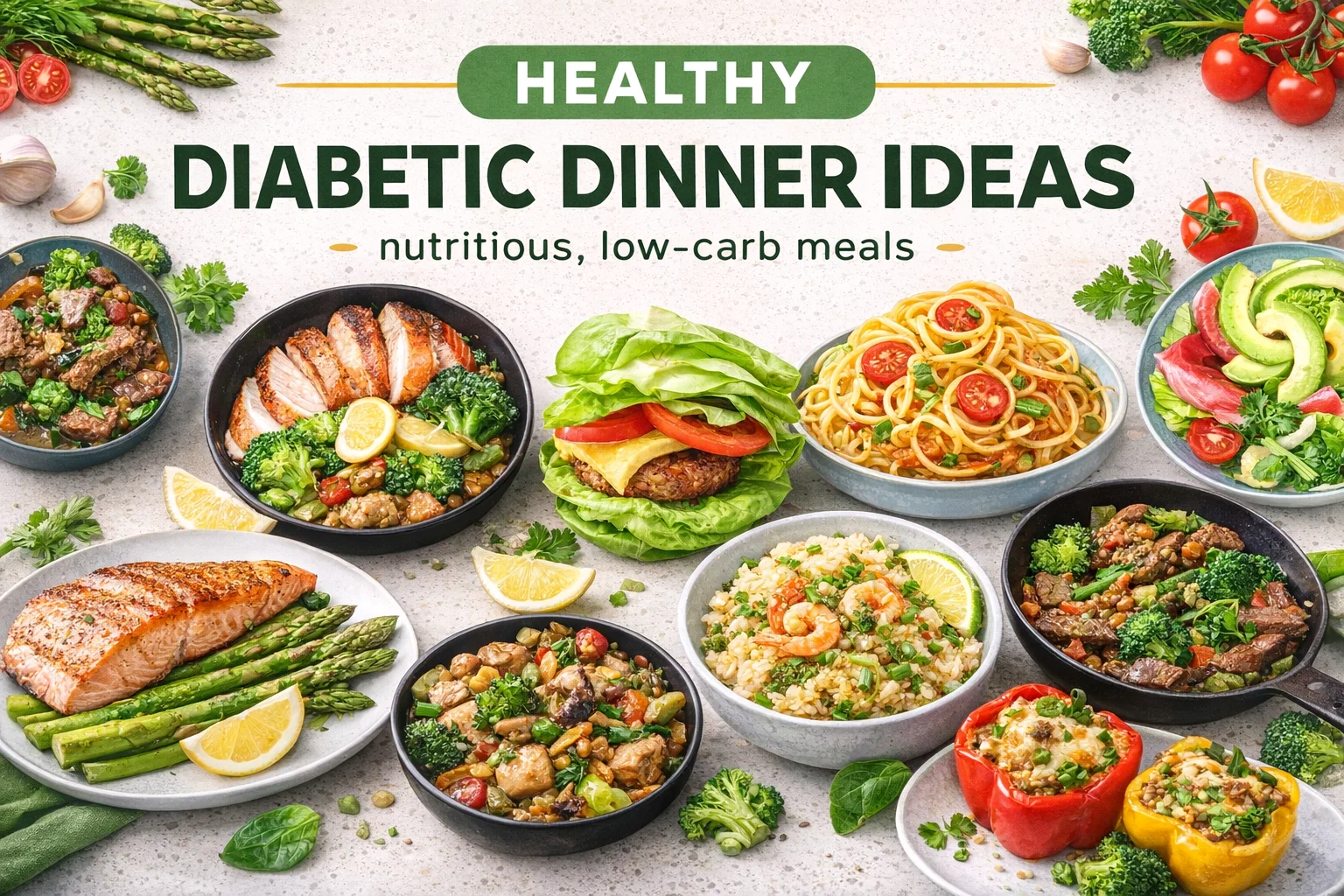
Managing your diet when living with diabetes often feels like a constant balancing act between flavor and blood sugar stability. However, the secret to a sustainable and enjoyable lifestyle lies in the variety of your plate. When you look at a collection of vibrant, nutrient dense meals, you realize that a diabetic dinner does not mean deprivation. It means choosing high quality proteins, healthy fats, and complex carbohydrates that keep your energy steady throughout the evening. By focusing on whole foods and smart swaps, you can transform your kitchen into a hub of wellness that supports your health goals without sacrificing the joy of a good meal.
The Foundations of a Blood Sugar Friendly Plate
Creating a balanced dinner starts with understanding how different macronutrients affect your glucose levels. The goal is to avoid sharp spikes by pairing carbohydrates with plenty of fiber, protein, and healthy fats. This combination slows down the absorption of sugar into your bloodstream, providing a more consistent energy release. When planning your evening menu, think of your plate as a canvas where non starchy vegetables take up the most space, followed by a lean protein source and a small portion of complex carbs or healthy fats.
Prioritizing Lean Proteins
Protein is a vital component of any diabetic meal because it has a minimal impact on blood sugar and helps you feel full and satisfied. Options like grilled salmon, chicken breast, and lean turkey are excellent choices. Salmon, in particular, offers the added benefit of omega 3 fatty acids, which support heart health, a crucial consideration for those managing diabetes. Even plant based proteins like lentils and chickpeas provide a dual benefit of protein and fiber, though they do contain some carbohydrates that should be accounted for in your daily totals.
The Power of Non Starchy Vegetables
Vegetables are the unsung heroes of the diabetic diet. Loading your plate with leafy greens, asparagus, broccoli, and bell peppers adds volume and essential micronutrients with very few calories or carbs. These foods are packed with fiber, which acts as a natural brake for sugar absorption. Substituting traditional high carb sides with vegetable alternatives is one of the easiest ways to lower the glycemic load of your meal. For instance, swapping pasta for zucchini noodles or using cauliflower rice instead of white rice can significantly reduce the impact on your blood glucose levels.
Creative Low Carb Swaps for Your Favorite Comfort Foods
One of the biggest hurdles in maintaining a diabetic diet is the craving for classic comfort foods like pasta, burgers, and fried rice. The good news is that with a little creativity, you can recreate these favorites using ingredients that are much friendlier to your insulin sensitivity. These swaps allow you to enjoy the textures and flavors you love while staying within your nutritional boundaries.
Redefining the Burger and Pasta Experience
A juicy burger is hard to resist, but the traditional white flour bun is often a concentrated source of refined carbohydrates. By switching to a lettuce wrap, you eliminate the bread entirely and add a refreshing crunch to the meal. Similarly, if you are a fan of Italian cuisine, consider eggplant lasagna. By using thin slices of roasted eggplant instead of pasta sheets, you create a rich, savory dish that is naturally low in carbs and high in fiber. For those who cannot give up noodles entirely, zucchini noodles or “zoodles” tossed in a fresh pesto or tomato sauce provide a satisfying alternative that keeps your numbers in check.
Mastering Cauliflower Fried Rice
Fried rice is a staple for many, but the high starch content of white rice can cause rapid blood sugar rises. Cauliflower fried rice has become a sensation for a reason. When pulsed in a food processor and sautéed with ginger, garlic, and soy sauce, cauliflower takes on a texture remarkably similar to grain. Adding shrimp or chicken along with a variety of colorful vegetables creates a complete, one pan meal that is light yet incredibly filling. This simple switch allows you to enjoy the essence of takeout without the unwanted glucose surge.
Hearty and Wholesome Stews and Curries
During the cooler months, nothing beats a warm bowl of stew or curry. These dishes are excellent for meal prepping and often taste even better the next day. The key is to focus on legumes and vegetables rather than potatoes or thickeners like flour and cornstarch. Stews provide an easy way to pack in a variety of nutrients in a single serving.
Lentil and Vegetable Stews
Lentils are a fantastic choice for diabetics because they are high in soluble fiber, which helps stabilize blood sugar and lower cholesterol. A slow cooked lentil stew with carrots, celery, and tomatoes is a comforting and budget friendly option. Because lentils digest slowly, they provide a long lasting sense of fullness, preventing late night snacking that can disrupt your morning fasting glucose levels.
Chickpea and Spinach Curry
Curries are famous for their bold spices like turmeric, cumin, and coriander. Turmeric, in particular, contains curcumin, which has been studied for its anti inflammatory properties. A chickpea and spinach curry offers a plant based protein punch. Pairing it with a side of steamed greens instead of heavy naan bread keeps the meal balanced. The fiber from the chickpeas and the iron from the spinach make this a nutritional powerhouse that supports overall metabolic health.
Simple and Effective Meal Prep Strategies
Consistency is the most important factor in managing diabetes. When life gets busy, it is easy to reach for processed convenience foods that are often hidden sources of sugar and unhealthy fats. Having a plan in place ensures that you always have a healthy option ready to go.
- Batch Cook Proteins: Grill several chicken breasts or salmon fillets at the beginning of the week to easily toss into salads or wraps.
- Pre Cut Your Veggies: Having sliced bell peppers, washed spinach, and chopped broccoli in the fridge makes it much more likely that you will add them to your dinner.
- Use Low Carb Bases: Keep a bag of cauliflower rice or a few zucchinis on hand to quickly create a base for any meal.
- Check Your Sauces: Many store bought marinades and dressings are full of sugar. Opt for olive oil, lemon juice, and fresh herbs instead.
The Importance of Portion Control
Even with healthy ingredients, the amount you eat still matters. Using smaller plates can trick the brain into feeling more satisfied with appropriate portions. A good rule of thumb is the “Plate Method,” where half the plate is filled with non starchy vegetables, one quarter with lean protein, and one quarter with a high fiber carbohydrate or a small amount of healthy fat like avocado.
Flavor Without the Sugar: Herbs and Spices
One common misconception is that diabetic food is bland. In reality, you have an entire world of herbs and spices at your disposal that add incredible depth to your cooking without any added calories or carbs. Fresh basil, cilantro, and parsley can brighten up any dish, while spices like smoked paprika, garlic powder, and chili flakes provide heat and complexity.
Healthy Fats for Satiety
Don’t be afraid of fats! Healthy fats from sources like avocados, nuts, seeds, and olive oil are essential for heart health and help you feel full. Adding a few slices of avocado to a tuna salad or drizzling extra virgin olive oil over roasted Brussels sprouts not only improves the flavor but also aids in the absorption of fat soluble vitamins like A, D, E, and K.
Smart Hydration Choices
What you drink with your dinner is just as important as what you eat. Sugary sodas and juices can undo the hard work you put into your meal. Stick to water infused with cucumber or mint, unsweetened herbal teas, or sparkling water with a squeeze of lime. These choices keep you hydrated and refreshed without affecting your blood sugar levels.
Wrapping Up Your Wellness Journey
Adopting a diabetic friendly dinner routine is one of the most proactive steps you can take for your long term health. By focusing on the delicious variety of whole foods available, you move away from the mindset of restriction and toward a lifestyle of abundance. Whether it is a quick turkey burger in a lettuce wrap or a sophisticated grilled salmon with asparagus, these meals prove that eating well can be both simple and deeply satisfying. Remember that every small choice adds up, and by filling your plate with color and nutrients, you are giving your body the fuel it needs to thrive. Start experimenting with these ideas tonight and discover how flavorful a healthy lifestyle can be. Save your favorite ideas and keep moving forward on your path to wellness!