DIY Homemade OxiClean Recipe Natural Laundry Stain Remover Carpet Cleaner
Have you ever looked at a stubborn grass stain or a mysterious coffee spill and felt like your only option was to throw the whole garment away? We have all been there. Commercial stain removers are often the go-to solution, but they come with a laundry list of harsh chemicals, overpowering artificial scents, and a price tag that seems to climb every single year. Fortunately, the secret to a sparkling clean home does not require a trip to the specialized cleaning aisle. The most powerful cleaning agent you will ever use is likely sitting in your medicine cabinet and kitchen pantry right now.
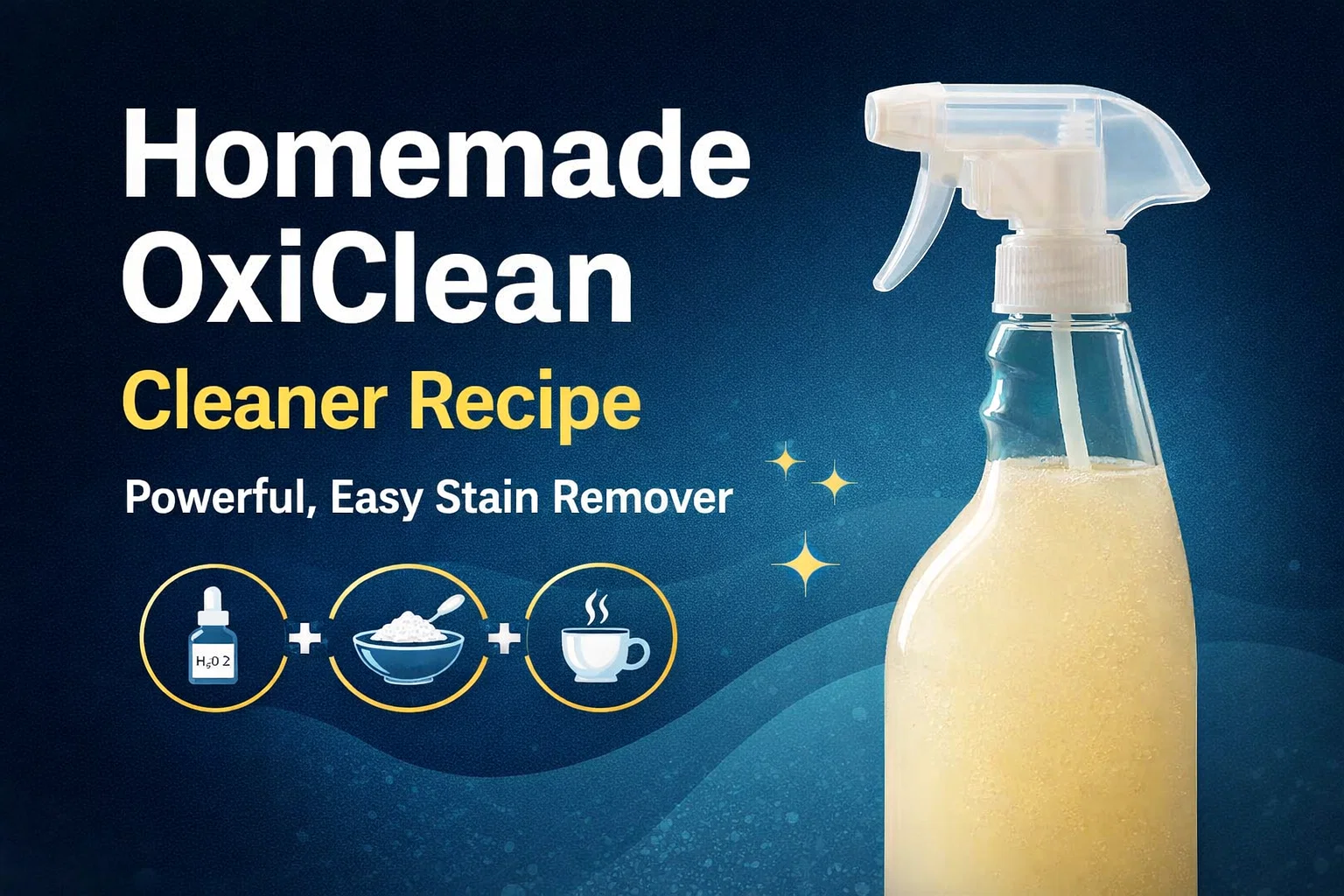
The image provided outlines a simple yet revolutionary DIY Homemade OxiClean recipe. By combining hydrogen peroxide, baking soda, and hot water, you create an oxygen-based cleaner that mimics the power of expensive brand-name products at a fraction of the cost. This guide will dive deep into why this specific combination works so well, how to use it across your home, and the science of natural cleaning that will change your laundry routine forever.
The Science Behind the Bubble: Why This Recipe Works
To understand why this homemade solution is so effective, we have to look at the chemistry of the ingredients. It is not just a random mixture; it is a carefully balanced reaction designed to lift organic matter from fabric fibers.
The Role of Hydrogen Peroxide
Hydrogen peroxide is the heavy lifter in this recipe. Chemically known as H2O2, it is essentially water with an extra oxygen atom. When it comes into contact with stains, that extra oxygen atom is released through a process called oxidation. This reaction breaks down the chemical bonds of the stain, effectively “bleaching” it without the damaging effects of chlorine bleach. It is particularly effective on protein-based stains like blood, sweat, and food spills.
Baking Soda as a Multi-Tasker
Sodium bicarbonate, or baking soda, serves two primary purposes here. First, it acts as a mild abrasive that helps physically lift particles out of the weave of the fabric. Second, it is a natural deodorizer. Most stains come with an unpleasant scent, and baking soda neutralizes those odors rather than just masking them. Furthermore, it helps regulate the pH level of the cleaning water, making the hydrogen peroxide even more effective.
The Power of Heat
Using hot water is a crucial step that many people skip. Heat speeds up the chemical reaction between the peroxide and the baking soda. It also helps the baking soda dissolve completely so you are not left with a gritty residue on your clothes. When these three elements combine, you get an active, bubbling solution that penetrates deep into surfaces.
Step-by-Step Guide to Making Your Homemade OxiClean
Creating this cleaner is incredibly straightforward, but there are a few tips to ensure you get the best results every single time. Here is the breakdown of the process based on the visual guide.
- Gather Your Supplies: You will need 1/2 cup of hydrogen peroxide (the standard 3 percent solution found in pharmacies), 1/2 cup of baking soda, and 1 cup of very hot water.
- The Mixing Bowl: Always use a large bowl for mixing. When you add the baking soda to the liquid, it may fizz slightly. A larger container prevents a mess on your counter.
- The Dissolving Process: Stir the mixture thoroughly. You want the water to look slightly cloudy but uniform. If the baking soda settles at the bottom, it might clog your spray bottle later.
- Transfer to a Bottle: Once the mixture has cooled slightly and the baking soda is fully dissolved, pour it into a clean spray bottle.
Important Note on Storage: Hydrogen peroxide breaks down when exposed to light, which is why it comes in those brown plastic bottles. If you plan on keeping this mixture for more than a day, use an opaque spray bottle or store it in a dark cupboard to maintain its potency.
Transforming Your Laundry Routine
The most common use for this DIY OxiClean is in the laundry room. It acts as both a pre-treater and a laundry booster. If you have whites that have turned a dull grey or yellow over time, this solution is your new best friend.
Pre-Treating Tough Stains
For localized disasters like a dropped piece of fruit or a ring around the collar, spray the solution directly onto the affected area. Let it sit for at least 5 to 10 minutes. This gives the oxygen bubbles enough time to work their way into the fibers and break the grip of the stain. For very heavy stains, you can use a soft-bristled brush to gently work the liquid into the fabric before tossing it into the wash.
Using it as a Machine Booster
If you have a particularly large or dirty load of laundry, you can add this mixture directly to the washing machine drum. It works wonders on bed sheets, towels, and gym clothes. Because it is natural, it helps soften the water, which allows your regular detergent to suds up better and clean more efficiently. You will notice that your clothes come out smelling fresher and looking brighter without the “crunchy” feel that some chemical boosters leave behind.
Beyond the Laundry: Versatile Uses Around the House
While the image highlights laundry and carpets, the versatility of this homemade OxiClean goes much further. Once you have a bottle of this stuff ready, you will find yourself reaching for it in almost every room.
Reviving Your Carpets and Rugs
Carpet stains are notoriously difficult because you cannot just throw a carpet into the washing machine. This DIY recipe is a lifesaver for high-traffic areas. If someone tracks mud into the house or a pet has an accident, blot up the excess liquid first. Spray the OxiClean solution onto the spot, wait 10 minutes, and then blot with a clean, dry cloth. The baking soda will help lift the stain and the odor simultaneously.
Grout and Tile Cleaning
The bathroom and kitchen are prime spots for grime. The combination of peroxide and baking soda is excellent for whitening grout lines. Spray the solution onto the grout, let it sit to eat away at the mold and mildew, and then scrub with an old toothbrush. You will be amazed at how much brighter the floor looks after a simple rinse.
Upholstery Refresh
Coffee spills on the sofa do not have to be permanent. Always do a small patch test on an inconspicuous area first to check for colorfastness. Once cleared, a light misting of this solution followed by gentle blotting can remove most water-based stains from fabric chairs and couches.
The Benefits of Going DIY with Your Cleaning
Making your own cleaning products is about more than just saving a few dollars. It is a shift toward a more intentional and healthy lifestyle. Here are some of the primary reasons to make the switch.
Environmentally Friendly
Many commercial cleaners contain phosphates and synthetic surfactants that are harmful to aquatic life when they wash down the drain. This DIY recipe uses biodegradable ingredients that break down into harmless substances like water and oxygen. Plus, by reusing the same spray bottle, you are reducing the amount of plastic waste your household generates.
Safer for the Family
If you have small children or pets who spend a lot of time on the floor, the residues left behind by commercial cleaners can be a concern. This homemade version is non-toxic and does not release harmful volatile organic compounds (VOCs) into the air. It is a much safer environment for sensitive lungs and skin.
Incredible Cost Savings
If you calculate the price per ounce, this homemade solution costs pennies compared to the five or ten dollars you might spend on a branded tub of stain remover. Over the course of a year, especially for a large family, those savings add up significantly. You are paying for the active ingredients, not the marketing and plastic packaging.
Pro Tips for Success
To get the absolute most out of your homemade OxiClean, keep these professional tips in mind:
- Freshness Matters: Hydrogen peroxide loses its effectiveness over time once the bottle is opened. Ensure your peroxide is fresh. If it does not fizz when you pour a little on a sink drain, it has likely turned into plain water and needs to be replaced.
- Test for Colorfastness: While this is much gentler than bleach, the peroxide can still lighten certain delicate or non-colorfast fabrics (like silk or wool). Always test a hidden spot before treating the center of a garment.
- Consistency is Key: For the best results on carpets, try to treat the stain as soon as it happens. The longer a stain sets, the more it bonds with the fibers, making it harder for even the best cleaners to lift.
Conclusion: A Simpler Way to Clean
Embracing a DIY approach to home maintenance does not have to be complicated or time-consuming. As the recipe in the image shows, you only need three basic items and five minutes of your time to create a cleaning powerhouse that rivals anything found in a store. By understanding the science of how hydrogen peroxide and baking soda work together, you gain the confidence to tackle messes head-on.
Whether you are dealing with a pile of muddy kids’ clothes, a stained rug, or just want to brighten up your living space, this Homemade OxiClean is a tool you can trust. It is effective, affordable, and kind to the planet. Give it a try today and see the difference for yourself. Your wallet and your home will thank you!
Would you like more natural cleaning recipes or tips on how to organize your laundry room for maximum efficiency? Let us know, and don’t forget to save this recipe for your next deep-cleaning day!