How to Grow and Use Calendula Natural Remedies for Skin Healing, Salves, and Herbal Tea
Welcome to the vibrant world of calendula, a plant that truly earns its title as natures gentle healer. If you have ever walked through a summer garden and been stopped in your tracks by brilliant orange and yellow petals, you have likely met Calendula officinalis, commonly known as the pot marigold. But do not let the simple beauty of this flower fool you. Beyond its sunny disposition lies a powerhouse of therapeutic properties that have been cherished by herbalists and gardeners for centuries. Whether you are a seasoned homesteader or a curious beginner looking to dip your toes into the world of natural remedies, calendula is the perfect companion to start your journey.
In this guide, we are going to dive deep into everything this golden bloom has to offer. From the specific steps to growing a thriving crop in your own backyard to the ancient history that earned it the nickname poor mans saffron, we will cover it all. More importantly, we will explore the practical, hands-on ways you can turn these flowers into soothing salves, healing teas, and nourishing infusions. This is not just a plant for your garden beds; it is a medicine cabinet in a single flower. Let us explore why calendula deserves a permanent spot in your life and your wellness routine.
Understanding the Magic of Pot Marigold
Before we get into the dirt and the DIY recipes, it is essential to understand exactly what makes calendula so special. While it shares a common name with the French or African marigolds you see at local nurseries, the pot marigold is a distinct species with vastly different properties. Traditional marigolds are often used to deter pests in the garden, but Calendula officinalis is the one you want for skin care and internal use. It is a member of the Asteraceae family, which includes daisies and sunflowers, and it carries that resilient, sun-loving energy in every petal.
The magic of calendula lies in its chemical makeup. It is rich in flavonoids, triterpenoids, and carotenoids, which are fancy words for the compounds that give the plant its anti-inflammatory, antimicrobial, and antioxidant powers. When you use calendula on your skin, these compounds work together to stimulate collagen production and speed up the healing process. It is one of the few herbs that is powerful enough to tackle tough skin issues but gentle enough to be used on the delicate skin of an infant. This balance of strength and softness is exactly why it has remained a staple in herbalism for over eight hundred years.
A Little History: The Ancient Roots of Calendula
The story of calendula is as rich as its color. Historians have found evidence of its use dating back to ancient Greece and Rome, where it was used not just for medicine, but as a dye for fabrics and even as a culinary garnish. In the Middle Ages, it was a common sight in monastery gardens throughout Europe. Monks would cultivate the plant to treat everything from digestive upset to deep wounds sustained in battle. Its reliability earned it a place in the hearts of common folk who could not afford expensive imported spices.
Why is it called Poor Mans Saffron?
One of the most charming bits of calendula lore is its reputation as the poor mans saffron. Because of its intense yellow and orange pigments, the dried petals were often used to color butter, cheeses, and soups. It provided that signature golden hue that usually came from the much more expensive saffron crocus. Beyond the color, it adds a subtle, slightly peppery flavor to dishes. Even today, adding a handful of fresh petals to a salad or a pot of rice is a wonderful way to bring a bit of history and a boost of antioxidants to your dinner table.
How to Grow Calendula: A Gardeners Checklist
The best part about calendula is that it is incredibly easy to grow. It is an annual plant, meaning it completes its life cycle in one year, but it is such a prolific self-seeder that once you plant it, you will likely see it returning year after year. It is the perfect plant for those who claim they do not have a green thumb because it is remarkably forgiving and resilient.
- Timing the Plant: You should aim to plant your seeds directly into the garden just after the last frost of spring. While the plants can handle a bit of a chill, they do best when the soil has started to warm up.
- Light Requirements: Calendula loves the sun. It thrives in full sun, though if you live in an area with particularly scorching summers, it will appreciate a bit of partial shade in the afternoon to keep the blooms from wilting.
- Soil and Water: This plant is not picky about soil as long as it is well-draining. Soggy roots are the enemy here. Water regularly but allow the soil to dry out slightly between soakings.
- Deadheading for More Blooms: This is the secret to a never-ending harvest. The more you pick the flowers, the more the plant will produce. If you leave the dead flowers on the stem, the plant will put its energy into making seeds. By pinching off the spent blooms, you encourage the plant to keep pumping out those beautiful petals.
- Harvesting Often: For medicinal use, harvest the flower heads when they are fully open and at their most vibrant. The best time to pick them is in the morning after the dew has dried but before the sun gets too hot.
Top Uses for Calendula: Healing from the Outside In
Once you have a basket full of these golden flowers, what do you do with them? The list of benefits is extensive, but calendula really shines when it comes to topical applications. Because it is so gentle, it is often the first choice for treating sensitive skin conditions. It acts as a bridge between a simple cosmetic and a powerful medicinal treatment.
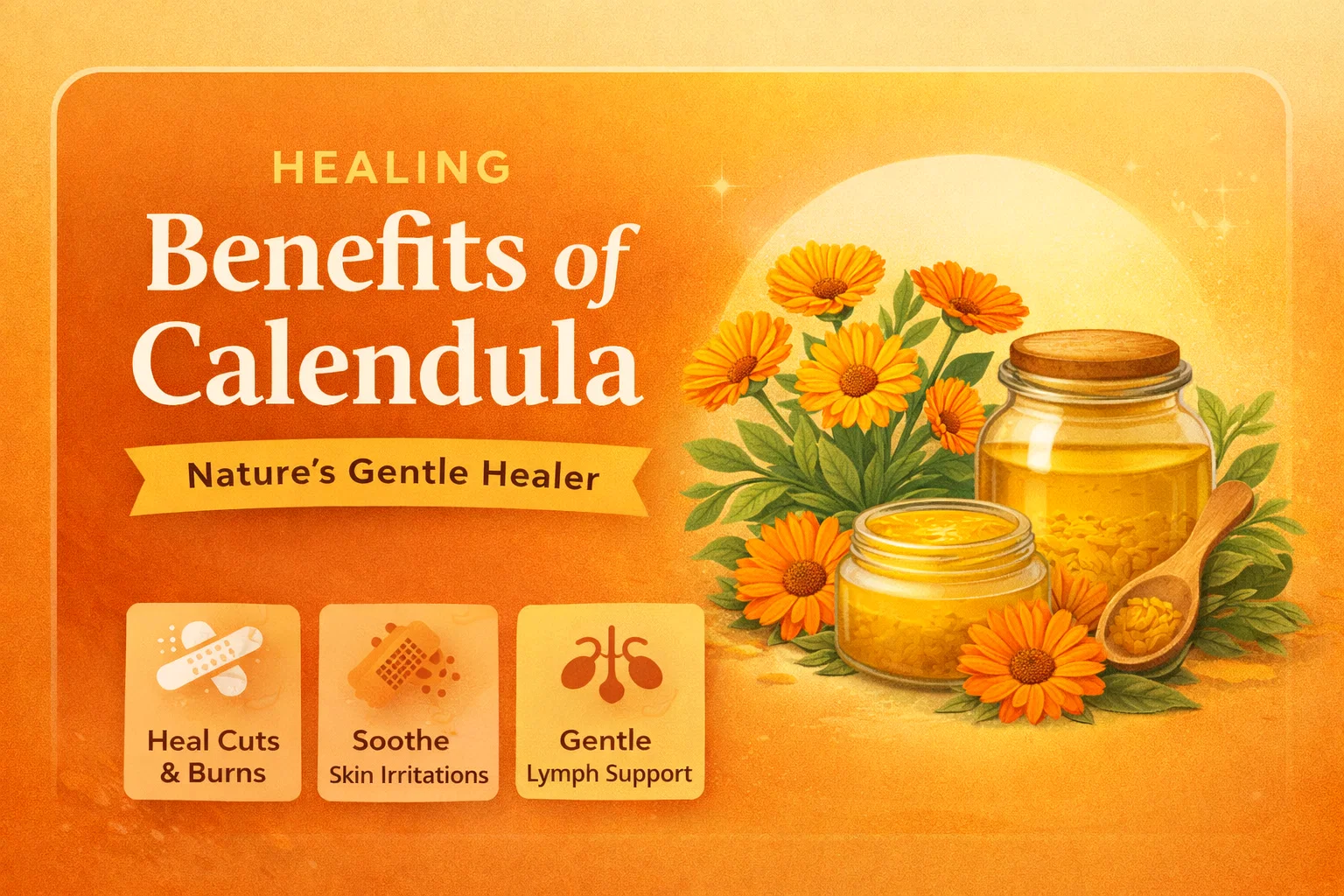
Healing Cuts and Burns
Calendula is a natural antiseptic, which means it helps keep wounds clean while actively encouraging the skin to knit back together. For minor kitchen burns or small scrapes from yard work, a calendula-based ointment can significantly reduce redness and pain. It works by increasing blood flow to the affected area, providing the oxygen and nutrients needed for rapid repair.
Soothing Irritated Skin and Eczema
If you suffer from chronic skin issues like eczema or psoriasis, you know how frustrating the cycle of itching and inflammation can be. Calendula is a superstar for soothing this irritation. It helps to dampen the inflammatory response in the skin cells, providing relief from that constant “on fire” feeling. Many people find that using a calendula cream daily can help strengthen the skin barrier, making it less reactive to environmental triggers.
Gentle Lymph Support
One of the lesser known benefits of calendula is its ability to support the lymphatic system. When used as a compress or a massage oil, it can help move stagnant lymph fluid. This is particularly helpful for minor swelling or as a supportive treatment for the immune system when you are feeling a bit run down. It is a subtle way to help your body’s natural detoxification pathways stay clear and efficient.
How to Use Calendula: DIY Recipes for Your Home
Bringing calendula into your daily life does not require a degree in chemistry. In fact, some of the most effective ways to use the plant are also the simplest. Here are a few ways you can start utilizing your harvest today.
Infusing Oils and Salves
This is perhaps the most popular way to use calendula. To make a simple infusion, fill a glass jar halfway with dried calendula petals and cover them completely with a carrier oil like olive oil, jojoba, or sweet almond oil. Let the jar sit in a sunny windowsill for about four to six weeks, shaking it occasionally. Once the oil has turned a deep orange, strain out the petals. This oil can be used directly on the skin or thickened with a bit of beeswax to create a portable, healing salve.
Brewing as a Tea
Calendula tea is a wonderful internal tonic. It has a mild, earthy taste with a hint of bitterness that is excellent for digestion. Drinking the tea can help soothe internal inflammation and support the lining of the gut. Simply steep two teaspoons of dried petals in hot water for about ten minutes. You can even use the cooled tea as a facial toner or a hair rinse to add shine and soothe a dry scalp.
Making Compresses
If you have an area of skin that is too tender to rub with oil, a compress is the way to go. Soak a clean cloth in a strong, warm infusion of calendula tea and apply it directly to the affected area. This is a classic remedy for soothing tired eyes or helping to calm a particularly bad patch of heat rash.
Integrating Calendula into Your Culinary Creations
Do not forget that calendula is edible! While the taste is subtle, the visual impact is stunning. You can pull the petals off the flower head and sprinkle them over a fresh green salad for a pop of color. They also look beautiful when pressed into the frosting of a cake or mixed into a herb butter. Because the petals hold their color well even when heated, they are a fantastic addition to rice dishes, giving the grains a beautiful golden tint that makes any meal feel a bit more special.
Conclusion: Why Every Home Needs a Touch of Calendula
From its humble beginnings in ancient gardens to its status today as a powerhouse of natural skincare, calendula has proven itself to be a timeless ally. It is a plant that gives so much while asking for very little in return. By growing just a few pots of these sunny flowers, you are gaining access to a versatile tool for healing, cooking, and beautifying your home. It reminds us that sometimes the most effective solutions are the ones that grow right at our feet.
As you move forward, I encourage you to experiment. Try making your first batch of infused oil or simply enjoy the sight of these golden blooms in your garden. There is something deeply satisfying about harvesting your own medicine and knowing exactly what is going in the products you use on your body. Calendula is more than just a flower; it is an invitation to connect with the healing power of nature in a way that is simple, effective, and profoundly beautiful. Start small, stay curious, and let this golden healer brighten your life.