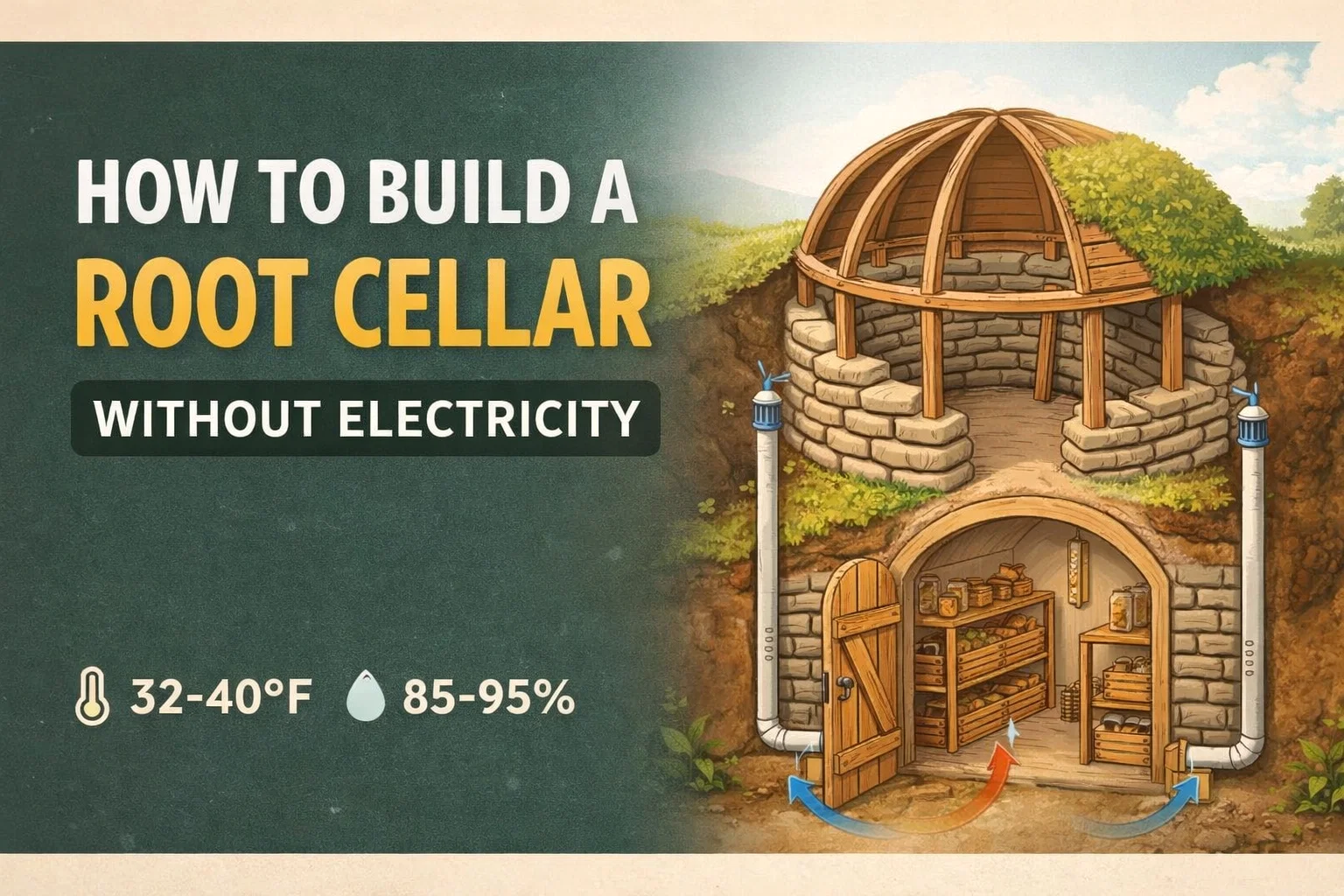
How to Build a DIY Root Cellar Step-by-Step Guide for Off-Grid Food Storage Preservation
Imagine walking into your backyard in the middle of a sweltering July or a freezing January and pulling out a perfectly crisp apple or a firm, earthy carrot that was harvested months ago. No humming refrigerator, no soaring electricity bills, and no plastic waste. This is the magic of a root cellar. For centuries, our ancestors relied on the consistent, cool temperatures of the earth to preserve their food, and today, this ancient technology is making a massive comeback among homesteaders, gardeners, and anyone looking to live a more sustainable, self-sufficient life.
Building a root cellar is more than just digging a hole in the ground. It is about understanding the delicate dance between temperature, humidity, and airflow. By using the natural insulation of the soil and clever passive ventilation, you can create a walk-in refrigerator that runs entirely on the physics of the planet. Whether you are preparing for a more off-grid lifestyle or simply want to store your garden bounty without filling up three chest freezers, a DIY root cellar is one of the most rewarding projects you can undertake.
Choosing the Perfect Site: Location is Everything
The success of your root cellar begins long before you pick up a shovel. You need to find a spot that offers the best natural advantages for cooling. In the northern hemisphere, a north-facing slope is the gold standard. Because it faces away from the direct path of the sun, the ground stays significantly cooler throughout the year. If you build on a southern slope, you will be fighting against solar gain every single day, which can cause your storage temperatures to fluctuate dangerously.
Soil quality is another critical factor. You are looking for well-drained soil that won’t turn into a muddy swamp during the spring thaw. While some moisture is necessary for humidity, standing water will lead to rot and structural failure. Before you start excavating, it is wise to dig a test hole to see how the water drains. You also need to be aware of the frost line in your specific region. To keep your food from freezing in the winter, the main body of your cellar needs to be situated well below the depth where the ground typically freezes.
Understanding the Frost Line and Earth Insulation
The earth acts as a massive thermal battery. At a certain depth, usually around 10 feet, the ground temperature remains a constant 50 to 55 degrees Fahrenheit regardless of what is happening on the surface. By burying your structure, you are tapping into this stability. The goal for most root cellars is to maintain a temperature between 32 and 40 degrees Fahrenheit. This is achieved by using the surrounding soil to suck away heat in the summer and provide warmth in the dead of winter.
Structural Integrity: Building with Earthbags and Timber
Once you have your site excavated, it is time to think about the walls. Traditional root cellars were often made of stone or poured concrete, but modern DIYers are finding incredible success with earthbag construction. Earthbags are essentially heavy-duty sacks filled with local soil or crushed stone, stacked like bricks. This method is incredibly cost-effective and provides massive thermal mass, which helps regulate the internal temperature.
As you stack your bags, you must ensure the walls are reinforced to handle the lateral pressure of the surrounding earth. This is where timber supports come in. Using heavy beams or rot-resistant posts provides the skeleton for your cellar. An arched roof form is often preferred because the shape naturally distributes the weight of the heavy soil cover that will eventually go on top. The arch is one of the strongest shapes in nature, making it ideal for an underground structure that needs to support several tons of dirt and sod.
Moisture Control and Flooring
While the walls need to be solid, the floor is where you manage humidity. Many people make the mistake of pouring a concrete floor, but this can actually make the cellar too dry. A traditional approach is to use layers of moist sand or even a dirt floor. This allows the natural moisture from the earth to evaporate into the air, keeping the humidity levels between 85 and 95 percent. This high humidity is what prevents your root vegetables from shriveling up and turning into wooden stakes over the winter.
The Science of Passive Ventilation
Without proper airflow, your root cellar will quickly become a breeding ground for mold. Vegetables are living organisms; even after they are harvested, they “breathe” and release ethylene gas. If this gas builds up, it causes produce to ripen and rot prematurely. A passive ventilation system uses the basic principle that warm air rises and cool air sinks to create a natural breeze without any fans or electricity.
You will need two main vents, typically made of 4-inch PVC piping. The cold air intake should be placed low to the ground, usually on one side of the cellar. This pipe should extend outside and have an opening near the ground level. The warm air exhaust should be placed on the opposite side of the room, near the ceiling. As the air inside the cellar warms up slightly from the ripening produce, it rises and escapes through the high vent. This creates a vacuum effect that pulls fresh, cool air in through the low intake pipe.
Protecting Your Vents
It is vital to cover the exterior ends of your pipes with screened vent caps. This prevents rodents, snakes, and large insects from turning your food supply into their private hotel. You can also install manual dampers inside the pipes so you can restricted airflow during extreme cold snaps, ensuring the temperature inside never drops below freezing.
Insulation and Finishing Touches
After the structure is built and the vents are in, it is time to “hide” the cellar back under the earth. A thick layer of earth cover is your primary insulator. On top of that, planting sod or native grasses is a brilliant move. The plants help prevent soil erosion, and the natural evaporation from the grass actually helps keep the soil beneath it even cooler during the summer months.
The entrance is the most vulnerable point for heat loss. A heavy, well-insulated wooden door is a must. Many expert builders actually use a “double door” system, creating a small airlock or entryway. This prevents a massive gust of warm air from entering the main storage chamber every time you go in to grab some potatoes for dinner.
Organizing for Maximum Shelf Life
How you store your food is just as important as how you build the cellar. Not all vegetables like the same conditions, and some definitely do not get along. For example, apples release high amounts of ethylene gas, which will cause potatoes to sprout and carrots to taste bitter. If possible, store your fruits near the exhaust vent so the gas is pulled out of the room quickly.
- Wooden Shelving: Use slatted wooden shelves to allow air to circulate around all sides of your crates and jars.
- Crates and Baskets: Avoid airtight plastic bins. Use breathable wire baskets or wooden crates.
- Sand Storage: For carrots, beets, and parsnips, burying them in buckets of moist sand is the best way to keep them firm for six months or longer.
- Darkness is Key: Ensure your cellar is pitch black when the door is closed. Light will cause potatoes to turn green and bitter.
Monitoring the Environment
You cannot manage what you do not measure. Hang a high-quality thermometer and a hygrometer (to measure humidity) in a central location. Check them regularly, especially during the first year. If the temperature is too high, open the vents more. If the humidity is too low, you can lightly mist the sand floor with water. It takes a little bit of practice to “tune” your root cellar, but once you find the sweet spot, it will function perfectly with very little intervention.
Conclusion: A Step Toward Independence
Building a root cellar is a significant investment of time and physical labor, but the rewards are unmatched. It provides a sense of security that no modern appliance can offer. When the power goes out or the grocery store shelves are empty, your root cellar remains a cool, quiet sanctuary filled with the fruits of your labor. It connects you to the rhythms of the seasons and the deep, steady cooling power of the earth itself.
By following these steps—choosing a north-facing site, using sturdy earthbag construction, and perfecting your passive ventilation—you can create a food storage system that will last for generations. It is a beautiful blend of physics and traditional wisdom that proves sometimes the best way forward is to look at how things were done in the past. So, grab a shovel and start planning. Your future self, enjoying a fresh garden salad in the middle of February, will definitely thank you.
Would you like me to create an SEO-optimized meta description or a set of social media captions to help promote this blog post on your WordPress site?