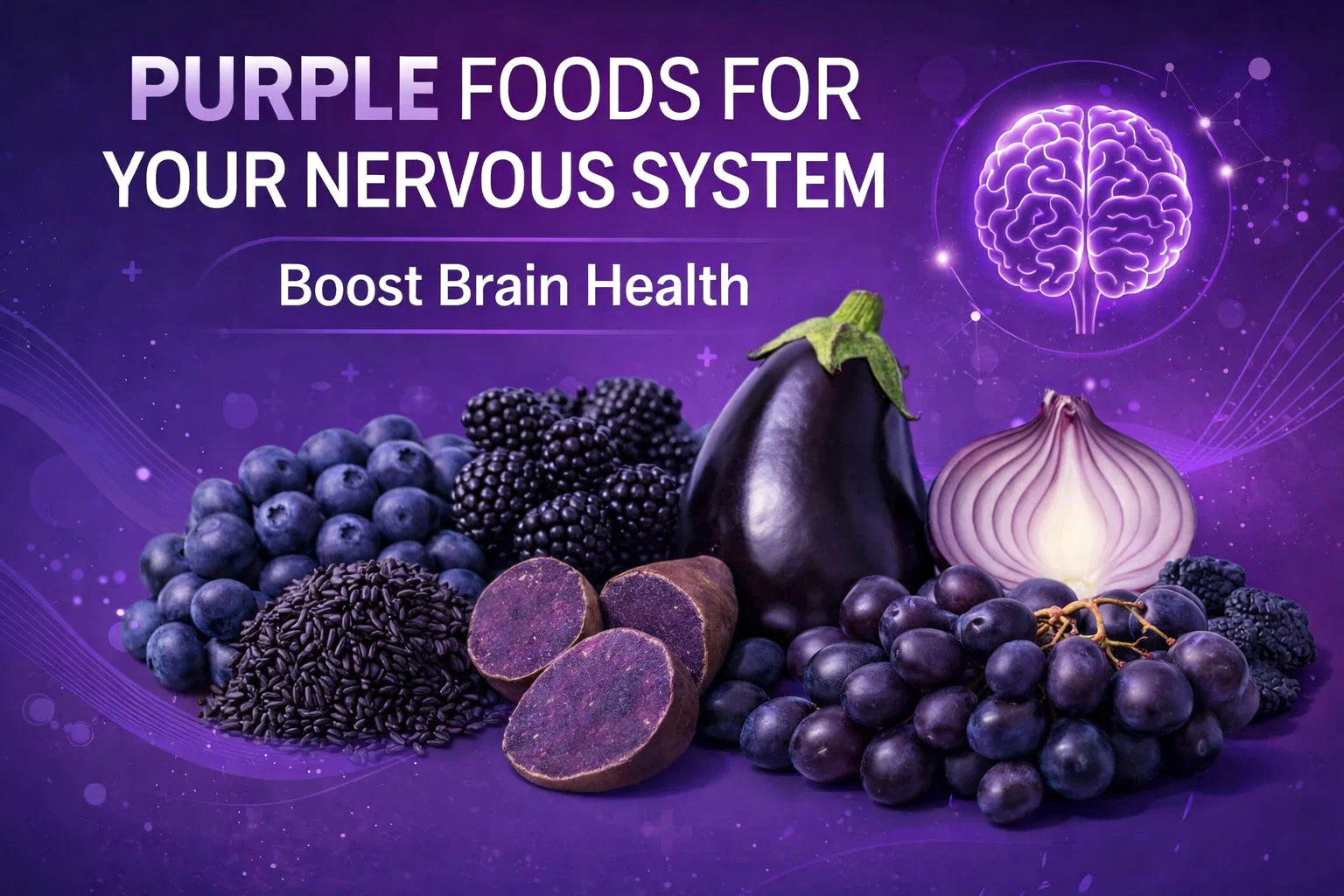
10 Best Purple Foods for Nervous System Health Natural Brain Nerve Support Food List
Nature has a fascinating way of color-coding our nutrition. While we often hear about the importance of eating green vegetables, there is a deep, regal hue that deserves a permanent spot on your plate. Purple foods are not just a treat for the eyes or a way to make your meals look more aesthetic. These vibrant fruits and vegetables are biological powerhouses specifically designed to support your nervous system and brain health. From the deep indigo of a blueberry to the rich violet of an eggplant, the pigments that provide these colors are actually sophisticated antioxidants working to protect your body at a cellular level.
When we talk about feeding the nervous system, we are looking at how we can protect our neurons, reduce inflammation in the brain, and improve the communication pathways between our mind and body. The modern world is full of stressors that can tax our mental clarity and physical nerve function. Incorporating a variety of purple-pigmented foods is one of the most effective and delicious ways to provide your body with the defense mechanisms it needs to thrive. Let’s dive deep into why purple is the ultimate color for your nerves and which specific foods you should be adding to your grocery cart today.
The Science Behind the Color: Anthocyanins and Nerve Health
The secret to the power of purple foods lies in a specific group of phytonutrients called anthocyanins. These are a type of flavonoid with powerful antioxidant and anti-inflammatory properties. Unlike many other nutrients, anthocyanins have the unique ability to cross the blood-brain barrier. This means they can directly enter your central nervous system to provide protection where it is needed most. Once they reach the brain, they work to neutralize free radicals that cause oxidative stress, which is a leading contributor to cognitive decline and nerve damage.
Research suggests that a diet rich in these purple pigments can improve memory, coordination, and even mood. By reducing inflammation within the neural pathways, these foods help ensure that electrical signals travel efficiently throughout your body. This translates to better focus, faster reaction times, and a more resilient nervous system that can handle the ups and downs of daily life. When the image says purple feeds your nervous system, it is referring to this direct biological link between plant pigments and brain performance.
Top Purple Fruits for Cognitive Support
Fruits are often the easiest way to start your journey into purple-based nutrition. They are naturally sweet, portable, and incredibly dense with nutrients. Because many of these fruits are eaten raw, you get the full potency of their enzymes and antioxidants without any loss from high-heat cooking.
The Mighty Blueberry
Often referred to as brain berries, blueberries are perhaps the most famous of the purple superfoods. They contain high levels of gallic acid, which acts as a neuro-protective agent. Regular consumption of blueberries has been linked to slower rates of cognitive aging and improved short-term memory. Whether you enjoy them in a morning smoothie or as a fresh snack, these tiny berries provide a massive punch of protection for your neurons.
Blackberries and Their Complex Fiber
Blackberries offer a slightly different profile than blueberries. They are exceptionally high in vitamin K and manganese, both of which play roles in brain health. The deep color of blackberries indicates a high concentration of polyphenols which help in preventing the age-related breakdown of motor skills. Their high fiber content also ensures a steady release of energy, preventing the blood sugar spikes that can lead to mental fatigue and brain fog.
Grapes and Resveratrol
Dark purple grapes, especially those with seeds and thick skins, are a prime source of resveratrol. This compound is widely studied for its ability to increase blood flow to the brain. Improved circulation means more oxygen and glucose reach your nerve cells, allowing them to function at peak capacity. Adding a bunch of dark grapes to your lunch can provide a natural mid-day mental boost that keeps you sharp for hours.
Acai: The Amazonian Powerhouse
Acai berries have gained popularity as a superfood for good reason. They are unique among fruits because they contain healthy fats, specifically oleic and linoleic acids. These fats are essential for the myelin sheath, which is the protective coating around your nerves. By supporting the structural integrity of your nervous system, acai helps maintain the speed and accuracy of nerve impulses.
Healing Vegetables for a Resilient Mind
While fruits get a lot of the spotlight, purple vegetables are equally important for a balanced nervous system. These vegetables often contain more complex minerals and sulfur compounds that assist in detoxification processes within the body, further protecting the brain from environmental toxins.
Red Cabbage and Gut-Brain Health
It might be called red cabbage, but its deep purple hue is unmistakable. This vegetable is a fantastic source of vitamin C and vitamin K1. More importantly, when fermented into sauerkraut, red cabbage provides probiotics that support the gut-brain axis. Since a large portion of our neurotransmitters like serotonin are produced in the gut, keeping your digestive system healthy with purple cabbage directly impacts your mental well-being and nerve signaling.
The Versatile Eggplant
The skin of the eggplant is where the real magic happens. It contains a phytonutrient called nasunin. This is a potent antioxidant that protects the lipids in brain cell membranes. Since your brain is composed largely of fats, protecting these lipids is crucial for maintaining cell fluidity and communication. To get the benefits, always leave the skin on when roasting or grilling your eggplant.
Red Onions and Quercetin
Red onions are more than just a flavor enhancer. They are rich in quercetin, a flavonoid that helps stabilize cells and reduce allergic responses that can cause systemic inflammation. Lowering overall inflammation in the body reduces the burden on your nervous system, allowing it to focus on repair and maintenance rather than constantly fighting off irritants.
Staples and Sides: Purple Grains and Tubers
You can even find the power of purple in your base carbohydrates. Swapping out white or brown versions of these staples for their purple counterparts is a simple way to upgrade the nutritional value of every meal you eat.
Purple Sweet Potatoes
Unlike the standard orange variety, purple sweet potatoes are brimming with the same anthocyanins found in berries. They provide a steady source of complex carbohydrates, which is the primary fuel for the brain. They also contain high levels of potassium, a mineral that is vital for the electrical conductivity of nerves. A baked purple sweet potato is a perfect brain-healthy alternative to traditional fries or mash.
Black Rice: The Forbidden Grain
Commonly known as black rice, this grain turns a deep purple when cooked. Historically reserved for royalty, it contains more antioxidants than a spoonful of blueberries. It is also rich in iron, which is necessary for transporting oxygen to the brain. The combination of fiber and antioxidants makes it an incredible food for maintaining long-term neurological health and preventing mental exhaustion.
The Role of Prunes in Nerve Function
Prunes are often overlooked, but they are a concentrated source of purple power. Because they are dried, the nutrients are highly condensed. They are particularly high in boron, which plays a role in brain electrical activity and cognitive performance. Additionally, their high antioxidant capacity helps protect the delicate nerves in the digestive tract, ensuring that your body can efficiently process and absorb the nutrients from everything else you eat.
How to Incorporate More Purple into Your Daily Routine
Transitioning to a diet that supports your nervous system does not have to be difficult. The key is variety and consistency. You do not need to eat every purple food every day, but aiming for at least two servings of purple-pigmented foods can make a noticeable difference in how you feel and think.
- Smoothie Bowls: Start your day by blending frozen blueberries, blackberries, and a scoop of acai powder. Top it with some dark grapes for a triple dose of nerve-feeding nutrients.
- Colorful Salads: Use shredded red cabbage and sliced red onions as a base for your salads. The crunch adds texture while the colors provide protection.
- Roasted Medleys: Roast cubes of eggplant and purple sweet potato together with olive oil and rosemary. This creates a savory, satisfying side dish that fuels your brain.
- Grain Swaps: Replace your standard white rice with black rice. It has a delicious nutty flavor and works perfectly in stir-fries or as a side for grilled fish.
The Long-Term Benefits of Feeding Your Nerves
Consistency is the most important factor when it comes to nutritional neuro-protection. Over time, the cumulative effect of these antioxidants helps to build a more resilient brain. You might notice that your memory feels sharper, your ability to handle stress improves, and you experience fewer instances of brain fog. By choosing foods based on their biological benefits rather than just their aesthetic appeal, you are taking an active role in your long-term health.
The nervous system is the command center of the entire body. It controls everything from your heartbeat to your most complex thoughts. Providing it with the specific pigments and nutrients it needs is an act of self-care that pays dividends as you age. While the color purple might make your Instagram feed look great, the real beauty is what it does for your internal health.
Conclusion: A Purple Revolution for Your Health
It is time to look at the grocery store through a new lens. Instead of just reaching for the basics, seek out the deep violets and rich indigos of the produce aisle. Nature has provided us with a pharmacy of color, and the purple category is specifically tailored to keep our minds sharp and our nerves strong. Whether you are grabbing a handful of blueberries or preparing a hearty eggplant dish, remember that you are doing more than just eating. You are providing your nervous system with the essential tools it needs to function at its absolute best.
Embracing these foods is a simple, natural way to support your cognitive longevity and daily mental performance. So next time you see that vibrant red cabbage or a basket of fresh blackberries, bring them home. Your nervous system will thank you for the extra support and the powerful protection that only these purple wonders can provide.