The Second Heart in Your Calves Prevent Blood Clots
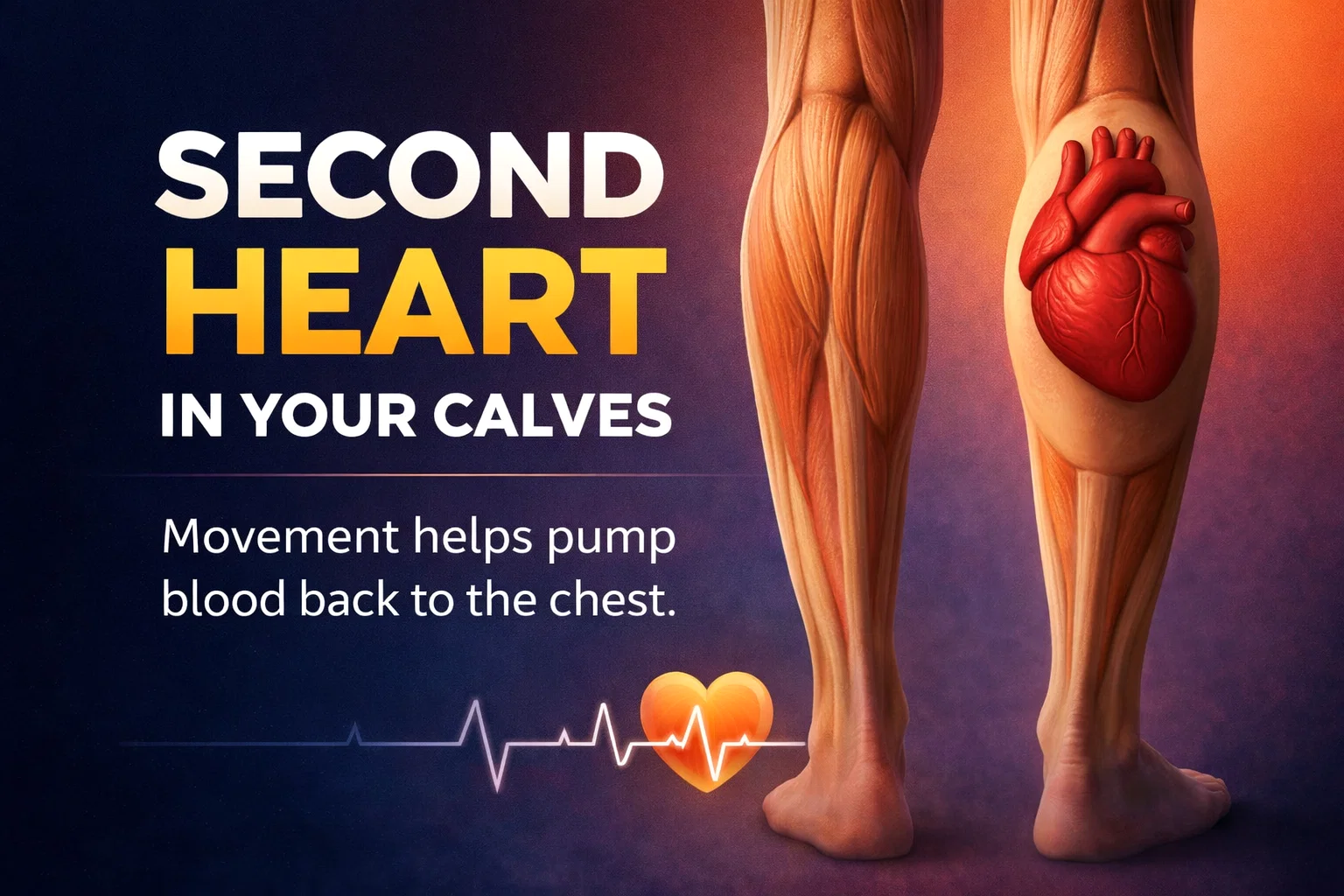
Have you ever stopped to think about how hard your body works just to keep your blood flowing? While we all know about the vital organ beating in our chests, you might be surprised to learn that you actually have a second heart working tirelessly in your lower body. This fascinating mechanism is located right in your calves. It plays an absolutely crucial role in your cardiovascular system by pumping blood against gravity back up to your core.
Most of us take our legs for granted, viewing them simply as the tools that carry us from point A to point B. However, beneath the surface of your skin, a complex and beautiful biological process is happening with every single step you take. Understanding how this secondary cardiovascular pump works is the first step toward better whole-body wellness and long-term vitality.
The Anatomy of Your Lower Leg Pump
To truly appreciate this incredible system, we need to look at how your leg muscles and veins operate together. When your primary heart pumps oxygen-rich blood down to your feet, gravity makes that downward journey quite easy. However, getting that deoxygenated blood back up to your lungs and heart is a completely different story. Gravity is actively working against this upward flow.
Shutterstock
Explore
This is exactly where your calf muscles step in to save the day. The muscles in your lower legs, specifically the gastrocnemius and the soleus muscles, act as powerful biological pumps. Every time you take a step, flex your foot, or simply shift your weight, these muscles contract. As they squeeze tightly together, they compress the deep veins hidden within your leg tissue. This squeezing action physically forces the pooled blood upward.
To prevent the blood from simply falling right back down into your feet between steps, your leg veins are equipped with brilliant one-way valves. When the calf muscle contracts, the tiny valves above the muscle open wide to let blood through. When the muscle relaxes, these valves snap shut immediately. This traps the blood and prevents it from flowing backward. It is a highly efficient, rhythmic pumping system that easily rivals the engineering of your actual heart.
Why Movement is Vital for Preventing Clots
Because this secondary pumping system relies entirely on muscle contraction, it absolutely needs physical movement to function properly. When you remain completely still for prolonged periods, your calf muscles are not contracting at all. Consequently, the blood in your lower legs can begin to pool and stagnate.
Pooling blood presents a significant health risk. When blood becomes stagnant, it is much more likely to coagulate and form dangerous clots. Deep Vein Thrombosis is a serious condition where a blood clot forms in a deep vein, most commonly in the legs. If one of these clots breaks loose, it can travel through your bloodstream to your lungs and cause life-threatening complications. Keeping that second heart pumping through regular, mindful movement is your absolute best defense against these circulatory risks.
Shutterstock
Explore
Signs Your Second Heart Needs a Boost
Your body is incredibly smart and will usually send you warning signals when your lower body circulation is sluggish. It is important to listen to these gentle cues before they turn into larger problems. You might notice your feet and toes constantly feeling cold, even in warm environments. This is a classic sign that warm, fresh blood is not circulating properly to your extremities.
Another common indicator is unexplainable swelling around your ankles and lower legs at the end of a long day. This swelling occurs when fluid leaks from stagnant blood vessels into the surrounding tissue. You might also experience frequent muscle cramps, a feeling of heaviness in your legs, or the development of spider and varicose veins. All of these symptoms suggest that your calf pump needs a little extra support to do its job efficiently.
Holistic Approaches to Supporting Leg Circulation
Taking care of your circulatory health goes far beyond just basic mechanics. You can support your body naturally through mindful lifestyle choices and wholesome additions to your daily routine.
Hydration and Herbal Support
Staying deeply hydrated is the easiest way to keep your blood at the optimal consistency, making it much easier for your calves to pump it upward. Thick, dehydrated blood is sluggish and places unnecessary strain on your entire vascular system. You can also explore natural remedies to support healthy blood flow from the inside out. Sipping on warming herbal teas made from ginger or ginkgo biloba can provide a gentle, natural lift to your cardiovascular system. Incorporating natural circulation boosters like cayenne pepper, turmeric, and raw garlic into your daily meals offers wonderful, holistic benefits that work beautifully alongside physical movement.
Dry Brushing and Massage
External therapies can also do wonders for your leg circulation. Dry brushing your legs before a shower helps stimulate the lymphatic system and encourages blood flow toward the heart. Always brush in long, sweeping upward motions starting from your feet. Similarly, a gentle evening leg massage using essential oils like cypress or peppermint can soothe tired calf muscles and assist those hard-working veins in pushing fluid back up to your core.
Simple Exercises to Activate Your Calf Pump
You certainly do not need to run a marathon every day to keep your second heart healthy. Small, intentional movements sprinkled throughout your day are incredibly effective at keeping the blood flowing safely.
- Seated Calf Raises: If you are stuck at a desk for work, simply keep your toes planted firmly on the floor and lift your heels as high as you can. Hold that position for a brief second to feel the contraction, then release. Repeat this twenty times every hour to get the blood moving.
- Ankle Circles: While sitting or lying down, lift your feet slightly and trace large circles in the air with your toes. Do ten circles clockwise and ten counterclockwise. This simple rotation engages all the tiny muscles in your lower legs.
- The Heel-Toe Rock: When you are standing in line at the grocery store or washing dishes at the sink, slowly rock your weight back onto your heels, lifting your toes. Then, smoothly roll your weight forward onto your toes, lifting your heels. This creates a wonderful pumping action.
- Daily Walking: A brisk thirty-minute walk is quite literally the best medicine for your leg veins. Walking engages the full heel-to-toe mechanical pump, naturally and rhythmically clearing out pooled blood with every single stride.
Desk Worker Survival Guide for Leg Health
Modern lifestyles are often the biggest enemy of our secondary heart. If your job requires you to sit in a chair for eight hours a day, you have to be proactive. Set a gentle timer on your phone or computer to remind yourself to stand up every forty-five minutes. Even just walking to the kitchen for a glass of water or pacing around your office while taking a phone call is enough to trigger the muscle contractions needed to clear out stagnant blood.
Consider investing in an ergonomic footrest if your feet do not rest flat on the floor, as dangling legs can compress the veins under your thighs and restrict downward blood flow. Graduated compression socks are another fantastic tool for anyone who sits or stands for long periods. These specialized socks apply gentle, continuous pressure to your lower legs, mimicking the action of your calf muscles and helping the valves push blood upward against gravity.
Conclusion
Your body is an astonishing, interconnected system, and the powerful pump hidden right inside your calves is proof of that brilliant design. By understanding that you literally possess a second heart in your lower body, you can take mindful, proactive steps to care for it. Whether it is taking a brisk evening walk, enjoying a cup of circulation-boosting herbal tea, or simply doing a few calf raises at your desk, every little bit of movement matters.
Do not wait until your legs feel heavy and swollen to take action. Embrace the joy of movement, nourish your body with holistic habits, and keep that vital blood flowing strong. Your entire cardiovascular system will thank you for it!