8 Best Foods for Hormone Balance A Guide to Natural Hormonal Health for Women
Have you ever felt like your body is speaking a language you just cannot understand? One day you are full of energy and ready to conquer the world, and the next, you are dealing with unexplained fatigue, skin breakouts, or sudden mood shifts. For many women, these are not just random occurrences but the subtle signals of a hormonal system that is slightly out of sync. Our hormones act as the internal chemical messengers of the body, controlling everything from our metabolism and sleep cycles to our reproductive health and stress responses. While many factors influence this delicate balance, one of the most powerful tools you have to support your endocrine system is actually sitting right in your kitchen. By choosing specific, nutrient dense foods, you can provide your body with the raw materials it needs to produce, transport, and detoxify hormones naturally.
The Connection Between Your Plate and Your Hormones
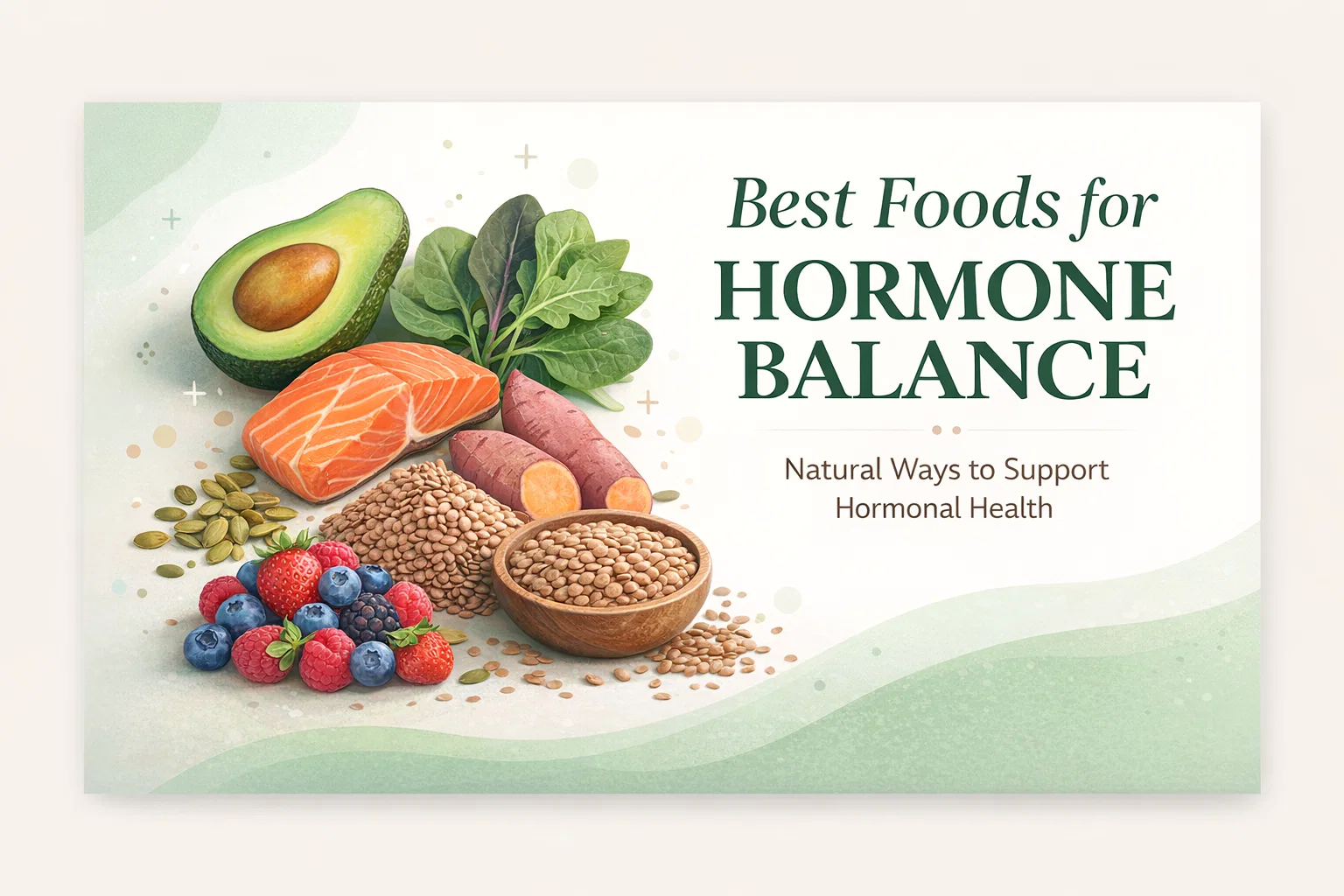
The idea that food is medicine is especially true when it comes to hormonal health. Every hormone in your body is synthesized from specific building blocks like amino acids from proteins or cholesterol from healthy fats. When we lack these essential nutrients, our hormone production can lag or become erratic. Furthermore, certain foods help our bodies process and eliminate “spent” hormones. For example, if your liver and gut are not functioning optimally, estrogen can recirculate in the bloodstream instead of being excreted, leading to a state often called estrogen dominance. By focusing on the eight power foods highlighted in our guide, you are not just eating for calories; you are eating for systemic communication and balance.
Healthy Fats: The Foundation of Hormone Production
If you want to balance your hormones, you have to embrace healthy fats. For years, dietary trends told us to avoid fat, but we now know that healthy fats are the literal backbone of hormone synthesis. Steroid hormones, including estrogen and progesterone, are derived from cholesterol. Without enough high quality fat in your diet, your body simply cannot keep up with the demand.
Avocados are perhaps the most iconic hormone balancing food for a reason. They are rich in monounsaturated fats and plant sterols, which can help manage estrogen levels and support progesterone production. They also contain a healthy dose of fiber and potassium, making them a powerhouse for overall metabolic health. Adding half an avocado to your morning eggs or a lunchtime salad provides a steady source of fuel that keeps your blood sugar stable, which is the first step in preventing cortisol spikes.
Reducing Inflammation with Omega 3 Fatty Acids
Chronic inflammation is one of the biggest disruptors of hormonal signaling. When the body is in a state of high inflammation, it prioritizes the production of stress hormones like cortisol over reproductive hormones. This can lead to irregular cycles and increased PMS symptoms. This is where Salmon and other fatty fish come into play. Salmon is packed with Omega 3 fatty acids, which are famous for their ability to lower systemic inflammation. These healthy fats improve the integrity of your cell membranes, allowing hormones to bind more easily to their receptors. This means that even if your hormone levels are normal, Omega 3s help ensure your cells are actually receiving the messages those hormones are trying to send.
The Power of Leafy Greens and Magnesium
How many times have you been told to eat your greens? When it comes to your hormones, Leafy Greens like spinach, kale, and Swiss chard are non negotiable. These vegetables are loaded with magnesium, a mineral that many women are actually deficient in. Magnesium is often referred to as the “anti stress mineral” because it helps regulate the hypothalamic pituitary adrenal axis. This is the system that manages your response to stress. When you have enough magnesium, your body is better equipped to handle daily pressures without sending your cortisol levels through the roof. Additionally, the fiber in greens supports a healthy gut microbiome, which is essential for breaking down and clearing out excess estrogen.
Stabilizing Blood Sugar with Complex Carbohydrates
Blood sugar management is the secret “anchor” of hormonal health. Every time your blood sugar crashes, your body perceives it as a crisis and releases cortisol to bring it back up. Over time, these constant spikes and crashes can lead to insulin resistance and disrupted ovulation. Sweet Potatoes are an incredible tool for breaking this cycle. Unlike refined sugars or white breads, sweet potatoes are complex carbohydrates that digest slowly. They provide a steady release of energy and are rich in Vitamin A, which supports liver health and skin clarity. By replacing processed snacks with a roasted sweet potato, you provide your body with the glucose it needs for energy without the hormonal rollercoaster.
Plant Based Proteins and Estrogen Balance
Protein is essential for keeping you full and providing the amino acids necessary for tissue repair and hormone synthesis. Lentils are a standout choice for women because they offer a unique combination of plant protein and high fiber. The fiber in lentils specifically binds to excess estrogen in the digestive tract and carries it out of the body. This is crucial for maintaining the delicate ratio between estrogen and progesterone. Lentils are also a great source of iron and folate, both of which are vital for women of reproductive age who may lose iron during their monthly cycles.
The Magic of Seeds: Zinc and Lignans
Small but mighty, seeds play a massive role in a hormonal support diet. Pumpkin Seeds are one of the best food sources of zinc. Zinc is a critical mineral for reproductive health because it helps the body produce adequate amounts of follicle stimulating hormone, which in turn triggers ovulation and the production of progesterone. If you struggle with hormonal acne or thinning hair, zinc is often a key nutrient to look into.
Then we have Flax Seeds. These tiny seeds are the richest dietary source of lignans, which are polyphenols that can have a weak estrogenic or anti estrogenic effect depending on what your body needs. This means they can help “buffer” your estrogen levels. If your estrogen is too high, lignans can block the stronger estrogens from binding to receptors. If it is too low, they can provide a gentle boost. To get the most benefit, always ensure your flax seeds are ground, as the whole seeds often pass through the digestive system untouched.
Antioxidants and Oxidative Stress
Your hormone producing organs, like your ovaries and thyroid, are highly sensitive to oxidative stress. Environmental toxins, poor sleep, and a high sugar diet can create free radicals that damage these delicate tissues. Berries, such as blueberries, raspberries, and strawberries, are loaded with antioxidants like anthocyanins that protect your cells from this damage. They are also lower in sugar than many other fruits, making them a safe choice for those watching their insulin levels. Including a handful of berries in your daily routine is like giving your endocrine system a protective shield against the wear and tear of modern life.
Putting It All Together: A Daily Routine for Balance
Knowing which foods to eat is the first step, but the real magic happens when you integrate them into a consistent lifestyle. You do not have to overhaul your entire kitchen overnight. Instead, try the “add in” method. Can you add some pumpkin seeds to your morning yogurt? Can you swap your side of white rice for a roasted sweet potato? Can you commit to having a big plate of leafy greens at least once a day? These small, sustainable changes add up to significant results over time.
Listening to Your Body
It is important to remember that every woman is unique. While these eight foods are generally supportive, pay attention to how your body responds. You might find that you feel better with more healthy fats during certain phases of your cycle, or that your energy levels stabilize when you prioritize lentils over animal proteins. Keeping a simple food and mood journal can help you identify which of these hormonal powerhouses make the biggest difference for you. Hormonal health is a journey, not a destination, and your body will thank you for the extra nourishment and care.
Conclusion
Achieving hormonal balance is not about perfection or following a restrictive diet. It is about returning to whole, real foods that work in harmony with your biology. By incorporating avocados, salmon, leafy greens, sweet potatoes, lentils, pumpkin seeds, flax seeds, and berries into your weekly meal plan, you are giving your body the best possible chance to find its natural rhythm. These foods provide the essential fats, minerals, and antioxidants that your endocrine system craves. Start small, stay consistent, and enjoy the process of nourishing yourself from the inside out. Your hormones are the music of your body, and with the right nutrition, you can make sure they are playing a beautiful, balanced tune.
Would you like me to create a 7-day meal plan incorporating all eight of these hormone-balancing foods?