How to Raise a Respectful Child 10 Positive Parenting Tips for Raising Kind Kids
Teaching a child to be respectful is perhaps one of the most rewarding yet challenging projects a parent will ever undertake. It is not just about teaching them to say please and thank you, though those are excellent starting points. True respect is a foundational value that dictates how a child views themselves, how they treat their peers, and how they interact with the world at large. When we talk about raising a respectful child, we are really talking about building a bridge of empathy and understanding that lasts a lifetime.
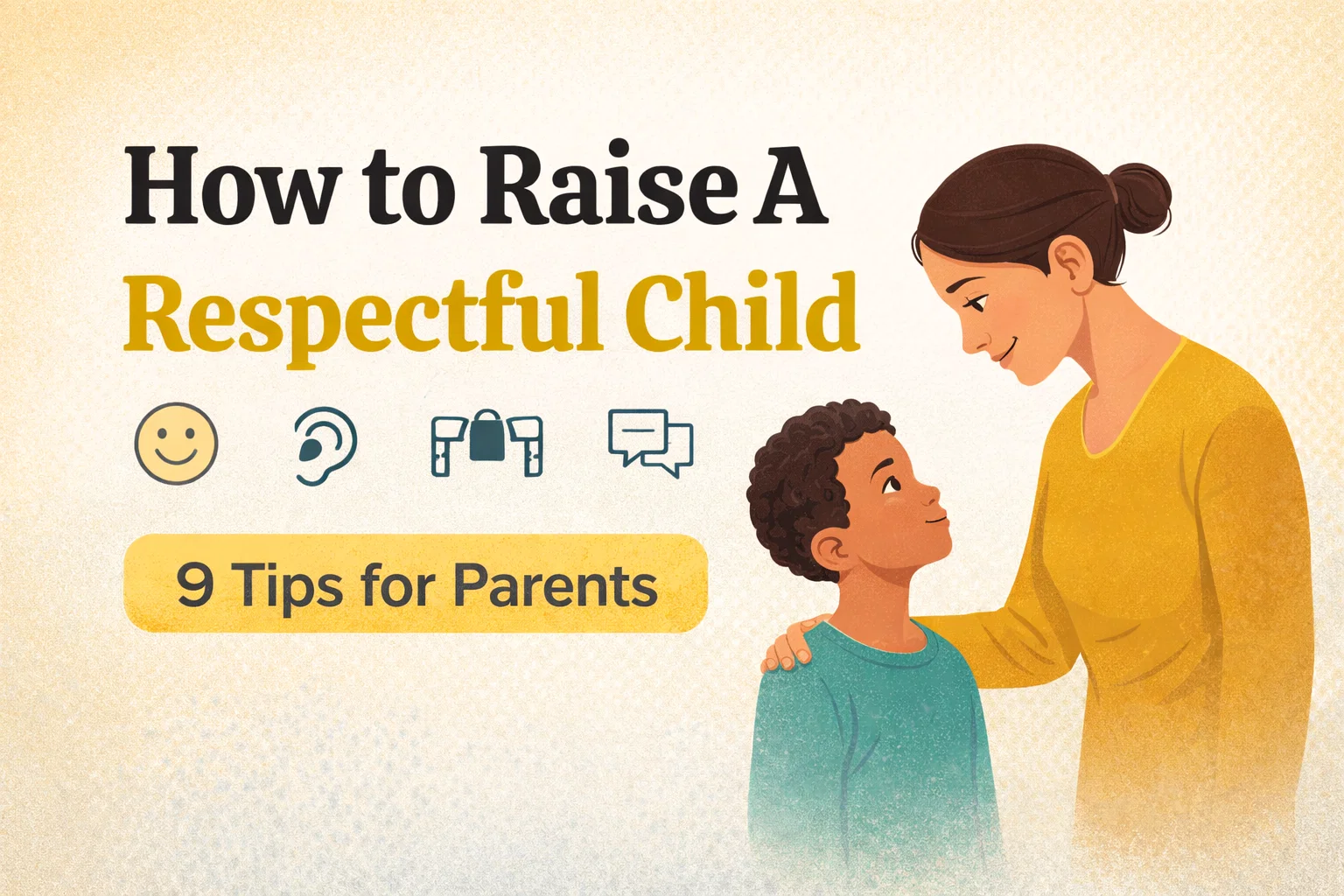
The image we are looking at today provides a beautiful, clear roadmap for this journey. It highlights ten specific, actionable steps that move away from old-school authoritarian discipline and toward a model of positive parenting. This approach focuses on connection over correction. By implementing these strategies, you are not just managing behavior in the short term; you are shaping the character of a future adult who is kind, considerate, and emotionally intelligent.
The Power of Modeling Behavior
The very first point on our list is perhaps the most vital: model respectful behavior consistently. Children are like little sponges, and they are constantly observing the adults in their lives to see how they handle stress, how they speak to service workers, and how they resolve conflicts. If you want your child to speak kindly, they need to hear you speaking kindly to your spouse, your neighbors, and even to them during difficult moments.
Modeling respect means showing up with the same energy you expect from your little one. If we lose our temper and shout while telling them to stop shouting, the message gets lost in the delivery. When you lead by example, you provide a living blueprint for what respect looks looks like in action. It is the most powerful teaching tool in your parenting kit because it requires no lectures, just consistent, authentic action.
Daily Habits: The Language of Kindness
Integrating polite words like please and thank you into your daily routine might seem like a small detail, but it sets a standard for all interactions. Using these words creates an atmosphere of mutual appreciation within the home. When a child hears their parent say, thank you for picking up your shoes, they feel seen and valued. In turn, they learn that nobody is entitled to the service of others and that gratitude is the oil that keeps social gears turning smoothly.
Active Listening as a Form of Respect
One of the most overlooked ways to show respect to a child is to give them your full attention. In our fast paced, digital world, it is easy to “half-listen” while scrolling through a phone or cooking dinner. However, when you stop what you are doing, crouch down to their eye level, and truly listen to what they are saying, you are sending a profound message: What you think and feel matters to me.
This practice teaches children how to be good listeners themselves. They learn that respect involves giving someone the floor and validating their perspective. This doesn’t mean you have to agree with everything they say, but by listening, you show that their voice has a place in the family dynamic.
Setting Firm Boundaries with Kindness
There is a common misconception that being a “respectful” or “gentle” parent means being a pushover. This could not be further from the truth. In fact, children feel most secure when they have clear, firm boundaries. Boundaries are a form of respect because they keep the child safe and help them understand the limits of the world around them.
The key is to set these boundaries with kindness and consistency. Instead of using threats or harsh language, you can state a boundary clearly: I cannot let you hit, because hitting hurts. We will sit here together until you feel calm. When you are consistent, the child learns to trust your word, which builds a deeper level of respect for your authority as a caregiver.
Reinforcing the Positive: The Role of Praise
We often spend a lot of time pointing out what children are doing wrong, but we frequently forget to highlight what they are doing right. Praising respectful actions is essential for reinforcing positive behavior. When you catch your child sharing a toy without being asked or waiting patiently for their turn to speak, acknowledge it. You might say, I really appreciated how you waited for me to finish my phone call before asking for a snack. That was very respectful.
This specific praise helps the child connect the abstract concept of respect with their own concrete actions. It builds their confidence and encourages them to repeat those behaviors because they see the positive impact they have on the people around them.
Correcting Disrespect Without Shame
No child is perfect, and there will inevitably be moments of backtalk, rudeness, or defiance. How we handle these moments is crucial. Correcting disrespect calmly and privately is much more effective than public shaming or harsh punishment. Shame shuts down the learning center of the brain and often leads to resentment or secrecy.
By pulling your child aside and discussing the behavior calmly, you maintain their dignity. You can explain why the behavior was disrespectful and work together on a way to make it right. This teaches them that mistakes are opportunities for growth rather than reasons to feel bad about who they are as a person.
Cultivating Empathy and Emotional Intelligence
Respect is deeply rooted in empathy. To be truly respectful, a child needs to understand how their actions affect others. You can foster this by having regular discussions about feelings. If your child sees a friend who is sad, you can ask, How do you think they are feeling right now? What could we do to help?
Discussing the impact of their own actions is equally important. If they were unkind to a sibling, help them walk through the emotional consequences. When children begin to “feel” for others, respect becomes a natural byproduct of their empathy rather than a rule they have to follow.
Involving Children in Decisions
As children grow, involving them in age-appropriate decisions is a fantastic way to show that you respect their growing autonomy. Whether it is choosing between two outfits for school or helping plan the Saturday afternoon activity, giving them a choice empowers them. It teaches them that their opinions are valued and that they have a stake in the family’s life.
This doesn’t mean the child is in charge, but it does mean they are a participant. When children feel respected in this way, they are much more likely to respect the decisions you make as a parent when a choice isn’t an option.
Respecting Differences and Taking Responsibility
The final two points on our list are about looking outward and looking inward. Demonstrating respect for others regardless of their differences is a core value in a global society. Whether it is a difference in culture, ability, or opinion, teaching your child to approach the world with curiosity and kindness is a gift that will serve them forever.
Finally, teaching the art of the apology is essential. This includes modeling it yourself. If you lose your temper or make a mistake, apologize to your child. Show them that taking responsibility for your actions is a sign of strength, not weakness. When they see you own your mistakes, they will find the courage to do the same.
Conclusion: A Lifelong Foundation
Raising a respectful child is not a destination you reach overnight. It is a continuous process of building trust, practicing patience, and maintaining a high standard for how we treat one another. By following these ten steps, you are creating a home environment where respect is the air that everyone breathes.
Remember that progress is more important than perfection. There will be days when things feel messy, but as long as you return to the core principles of empathy, listening, and modeling, you are on the right track. You are raising a human being who will go into the world and make it a little bit kinder, one respectful interaction at a time. Keep going, parent, you are doing a wonderful job.
Would you like me to help you create a specific Python script to automate the posting of this content to your WordPress site?