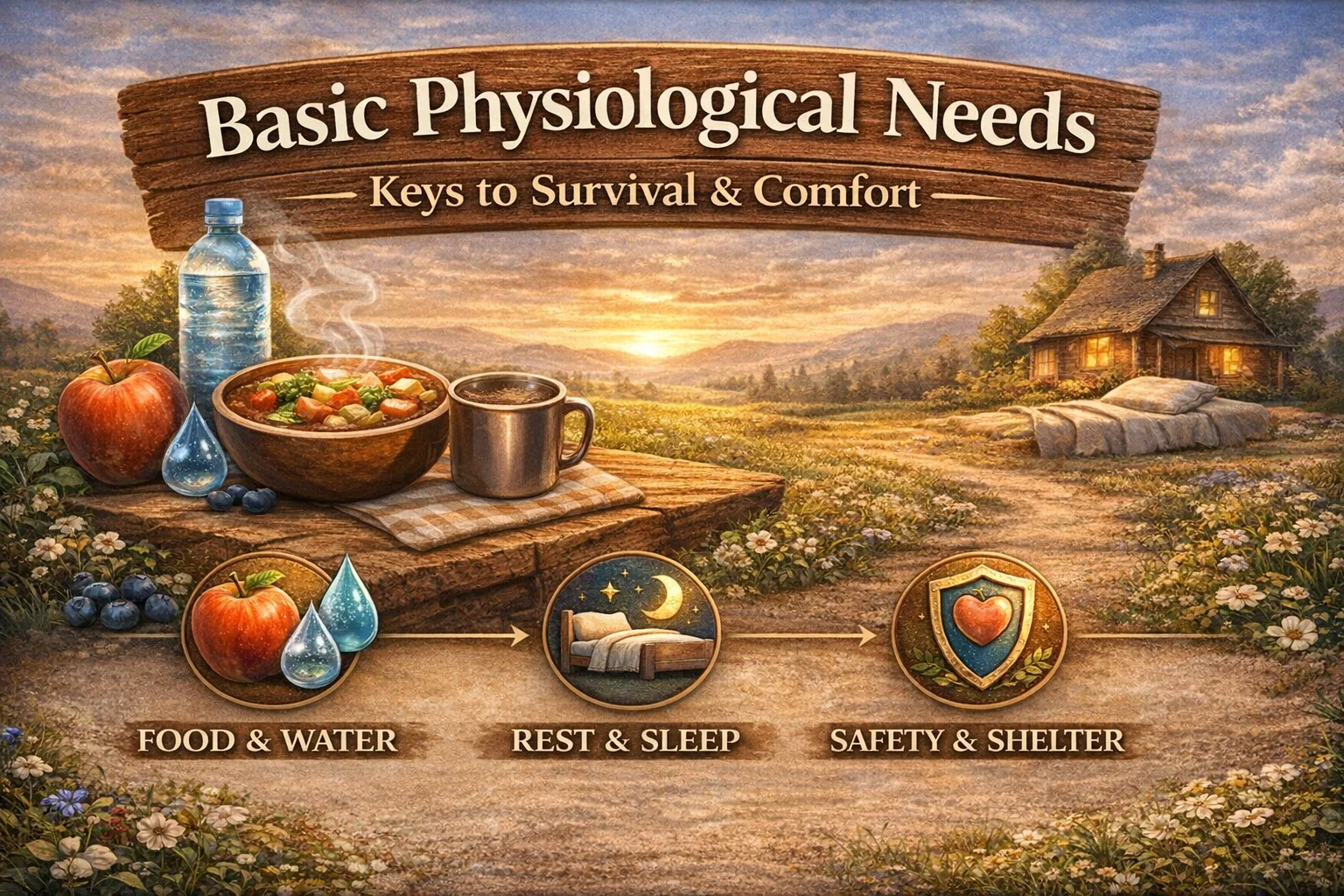
50 Basic Physiological Needs Life Lessons for Survival, Health, Comfort and Wellness
Imagine your life as a grand architectural project. You might be focused on the intricate moldings, the aesthetic paint colors, or the layout of the rooftop garden, but none of those elements matter if the foundation is cracking. In our modern, high-speed world, we often try to skip the basics in favor of high-level productivity or complex self-improvement hacks. However, true wellness and mental clarity start with the most fundamental requirements of being human. When we honor our basic physiological needs, we aren’t just surviving; we are providing our minds and bodies with the security they need to truly thrive. This deep dive into the 50 life lessons for survival and comfort will help you reclaim your stability and find peace in the essentials.
The Foundation of Everything: Why Food and Water are Not Just Fuel
It is easy to view eating and drinking as tasks to check off a to-do list, but these are the primary languages the body uses to communicate with the mind. When we neglect hydration or consistent nourishment, the first thing to suffer isn’t just our physical energy; it is our emotional regulation. Have you ever noticed how a minor inconvenience feels like a catastrophe when you are hungry? This is because hunger affects our patience, our ability to think critically, and our emotional resilience. Food is comfort, culture, and a profound form of care that we owe to ourselves every single day.
The Miracle of Clean Water
Clean water is a daily miracle that many of us frequently overlook. Beyond simple survival, proper hydration is the lubricant for our cognitive functions. It flushes toxins, keeps our skin vibrant, and ensures that our brain cells can communicate effectively. Treating water intake as a sacred ritual rather than a chore can shift your entire perspective on health.
Nourishment as Emotional Balance
Regular meals bring a sense of emotional balance that no supplement can replace. When the body knows it will be fed at predictable intervals, the nervous system begins to relax. This stability starts with meeting these daily needs, proving that a warm meal can actually restore hope when the world feels overwhelming. It is a reminder of our shared humanity and the simple joys that sustain us.
Shutterstock
Explore
The Power of Rest: Why Sleep is a Survival Skill
In a culture that often glorifies “the grind,” rest is frequently mislabeled as laziness. Nothing could be further from the truth. Rest is a survival mechanism. Without it, motivation disappears and our internal world begins to feel hostile. Sleep heals more than we realize, acting as a nightly restoration period for both the physical tissues of the body and the complex pathways of the mind. A tired body makes heavy decisions feel impossible, clouding our judgment and making every obstacle appear twice as large as it actually is.
Restorative Sleep and Mental Peace
A safe place to sleep brings an incomparable peace to the mind. It is the one time in the day when we are allowed to be completely vulnerable and let go of the external world’s demands. Quality sleep is a form of wealth that pays dividends in focus, creativity, and temperament. If you are struggling with mental clarity, the first place to look is your sleep hygiene.
The Concept of Enough
One of the most profound lessons in survival is understanding that having enough is a form of wealth. We often chase excess, thinking it will bring us peace, but simplicity frequently brings more tranquility than abundance ever could. When we satisfy our basic need for rest and sleep, we create the space necessary for gratitude to grow.
Safety and Shelter: Creating a Sanctuary for the Soul
Shelter is significantly more than just four walls and a roof; it is a foundation for human dignity. Without a sense of physical safety, the brain remains in a constant state of “fight or flight,” making it nearly impossible to focus on higher-level goals or personal growth. Stability brings emotional strength, and knowing you have a secure place to return to at the end of the day is the ultimate form of psychological refreshment.
The Connection Between Safety and Trust
Safety creates the environment where trust can flourish. Whether it is trust in ourselves or trust in others, we need a secure baseline to build meaningful relationships. When our basic needs for shelter are secure, our capacity for kindness grows. We are no longer operating from a place of scarcity and fear, but from a place of security and openness.
Routine as a Shield
Establishing a routine provides a profound sense of safety. Humans are creatures of habit, and knowing what to expect from our environment reduces the cognitive load on our brains. This predictability supports mental clarity and allows us to use our energy for more creative and fulfilling pursuits. Physical well-being, supported by a stable environment, is the bedrock of a healthy lifestyle.
Shutterstock
Health and Comfort: The Subtle Art of Physical Well-being
Physical care is a form of refreshment that goes beyond the surface. It involves listening to the body before the mind even speaks. Often, our physical sensations give us clues about our emotional state long before we consciously realize we are stressed or anxious. By addressing physical discomfort and prioritizing health, we are engaging in a form of emotional healing.
How Comfort Supports Resilience
Meeting essentials builds a level of resilience that allows us to handle life’s inevitable storms. When we are comfortable and healthy, we have the reserves needed to face challenges with a clear head. Comfort creates the necessary space for gratitude, allowing us to appreciate the small wins and the daily victories. Survival is the first victory every day, and acknowledging that can be incredibly empowering.
The Dignity of Self-Care
Taking care of your physical health is an act of self-respect. Whether it is a warm shower, a comfortable bed, or a nutritious meal, these acts of comfort remind us that we are worthy of care. When people struggle to survive, their mental clarity is the first thing to fade. By securing these needs, we preserve our cognitive abilities and our sense of self.
Applying the 50 Life Lessons to Your Daily Routine
Knowing these lessons is one thing, but integrating them into your life is where the transformation happens. It doesn’t require a total lifestyle overhaul. Instead, it starts with small, intentional shifts in how you view your basic needs. Use the following strategies to ground yourself in these principles:
- Honor Your Hunger: Stop viewing hunger as an inconvenience and start seeing it as a signal for care. Plan regular meals to keep your emotional balance steady.
- Prioritize the Sleep Sanctuary: Make your bedroom a place of peace. Remove distractions and treat your sleep schedule with the same respect you give your most important work meetings.
- Find Wealth in Simplicity: Audit your life for areas of excess that might be causing stress. Focus on the beauty of “enough.”
- Listen to Your Body: When you feel stressed, do a quick body scan. Are you thirsty? Are your shoulders tight? Address the physical need first.
- Create a Safety Routine: Even small habits, like locking the door at a certain time or having a set morning ritual, can increase your sense of environmental security.
The Interconnection of Physical and Mental Health
We often treat the mind and body as separate entities, but they are inextricably linked. Stress increases exponentially when basic needs are uncertain. Fear often stems from unmet physiological requirements. By addressing the physical, we are directly treating the mental. This holistic approach to wellness ensures that we aren’t just putting a bandage on our problems but are instead building a lifestyle that supports our entire being.
The Sharing of Our Humanity
Survival needs remind us of our shared humanity. No matter who we are or what we have achieved, we all require the same fundamental elements to exist. Recognizing this can increase our empathy for others who may be struggling to meet these basics. When we secure our own foundations, we are in a much better position to help others secure theirs.
Physical Security and Emotional Healing
True emotional healing often requires a background of physical security. It is hard to process trauma or work through complex emotions if you aren’t sure where your next meal is coming from or if you haven’t slept in days. By stabilizing the body, we give the heart and mind the safety they need to open up and heal. Physical security is the silent partner in every successful therapeutic journey.
Conclusion: Celebrating the Daily Victory
In the end, the journey toward a fulfilling life doesn’t start with reaching the mountain peak; it starts with the boots you put on your feet and the water in your canteen. These 50 life lessons remind us that the basics are never “just” basics. They are the essential ingredients for a life of dignity, peace, and resilience. Every day that you feed yourself well, rest your body, and maintain your health, you have achieved a significant victory.
By shifting our focus back to these physiological needs, we strip away the noise of modern life and return to what truly matters. We find that comfort isn’t a luxury, but a necessity that creates space for gratitude and joy. As you move forward, carry these lessons with you as a roadmap for survival and a blueprint for a life well-lived. Remember that taking care of yourself is the most productive thing you can do, and your foundation is the most valuable asset you own.
Would you like me to help you create a customized daily checklist based on these 50 survival and comfort lessons?