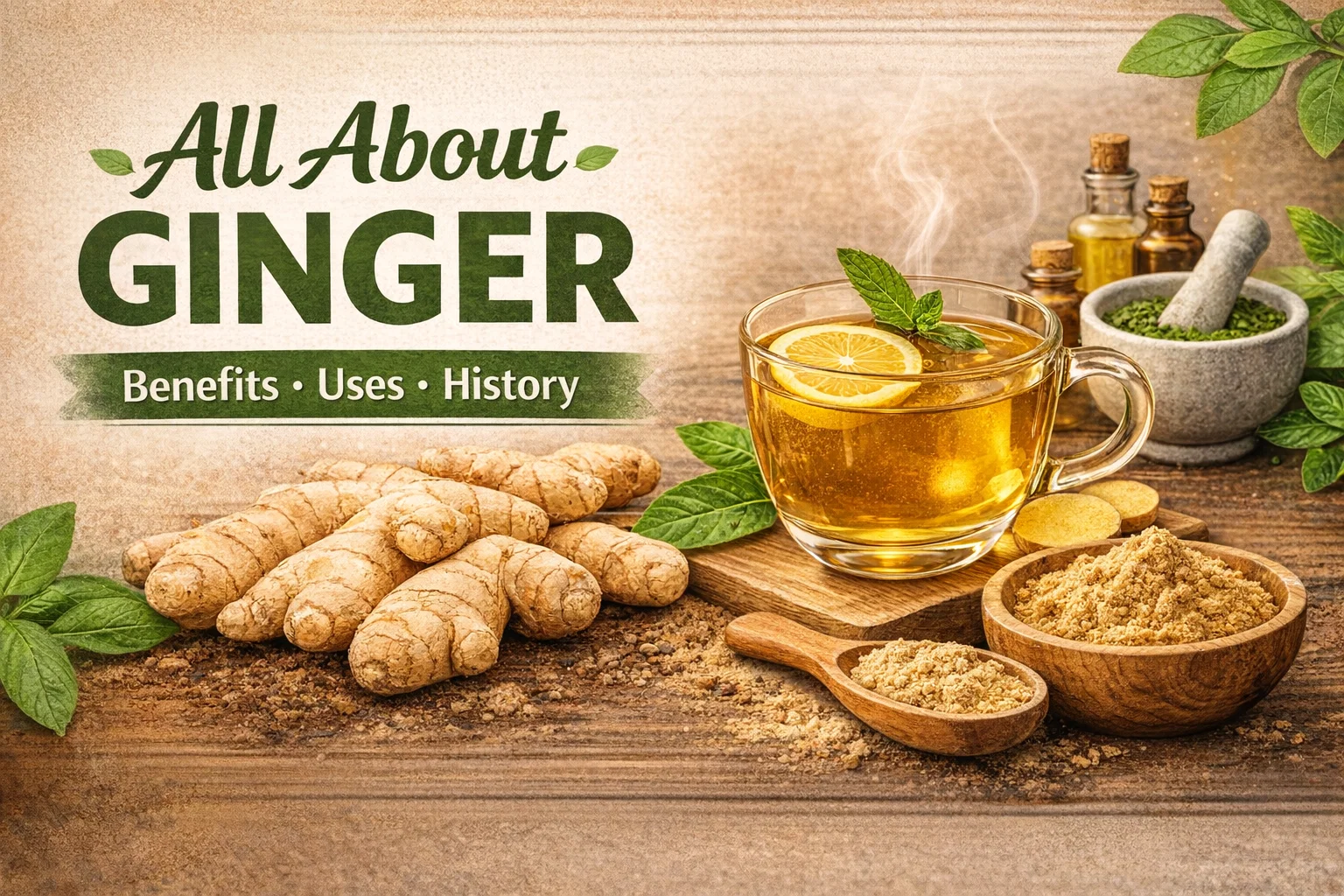
How to Grow and Use Ginger Natural Remedies, Health Benefits Ginger Tea Recipes
Ginger is much more than just a kitchen staple used to spice up a stir fry or add a zing to your favorite cookies. This remarkable rhizome, known scientifically as Zingiber officinale, has been a cornerstone of traditional medicine and culinary arts for over five millennia. Whether you are looking to boost your immune system, soothe a troublesome stomach, or even start your own little medicinal garden at home, ginger offers a world of benefits that are as potent today as they were in ancient times. In this guide, we are diving deep into everything you need to know about growing, using, and benefiting from this spicy, healing, and delicious root.
A Journey Through Time: The 5,000 Year History of Ginger
The story of ginger begins in the lush, tropical rainforests of Southeast Asia. Long before it reached the spice racks of modern supermarkets, it was a highly prized commodity in Ancient China and India. In these cultures, ginger was not just food; it was a revered medicine. Practitioners of Ayurveda and Traditional Chinese Medicine used it to balance the body’s internal heat and treat a wide variety of inflammatory conditions.
As trade routes expanded, ginger traveled along the famous Silk Road, eventually making its way to the Roman Empire. The Romans were so fond of ginger for its medicinal properties and its ability to preserve food that they taxed it heavily, making it one of the most expensive spices of the era. Despite the fall of Rome, the love for ginger persisted through the Middle Ages in Europe, where it was often used to ward off the plague and settle the stomachs of royalty. Today, ginger remains a global superstar, bridging the gap between ancient wisdom and modern holistic health.
The Remarkable Health Benefits of Ginger
Modern science is finally catching up with what ancient healers have known for centuries: ginger is a nutritional powerhouse. The secret lies in its bioactive compounds, primarily gingerol. This natural oil gives ginger its unique fragrance and flavor while providing powerful anti-inflammatory and antioxidant effects.
Natural Digestive Support
If there is one thing ginger is famous for, it is its ability to aid digestion. It helps speed up the emptying of the stomach, which can be a lifesaver for people with chronic indigestion or general discomfort after a heavy meal. By stimulating saliva and bile production, it ensures that your digestive system stays on track and moves efficiently.
Relief from Nausea and Motion Sickness
From morning sickness during pregnancy to the dreaded queasiness of sea travel, ginger is a highly effective natural remedy for nausea. Many people prefer it over over-the-counter medications because it does not cause the drowsiness often associated with pharmaceutical anti-nausea drugs. A simple cup of ginger tea can often do wonders for a settled stomach.
Managing Joint Pain and Inflammation
Because gingerol is a potent anti-inflammatory agent, regular consumption of ginger has been shown to help those suffering from osteoarthritis and rheumatoid arthritis. It works by inhibiting the production of chemicals that cause inflammation in the body. Some people even use ginger compresses directly on painful joints to find localized relief.
Immune System Booster
In the colder months, ginger is your best friend. It is a diaphoretic, meaning it encourages perspiration, which helps warm the body from the within. This warming effect, combined with its antimicrobial properties, makes it an excellent tool for fighting off common colds, the flu, and respiratory infections.
How to Grow Your Own Ginger at Home
Many people assume that ginger is a difficult plant to cultivate, but it is actually quite hardy if you provide it with the right environment. You do not even need a massive backyard; ginger grows perfectly well in pots on a patio or even a sunny windowsill.
Selecting the Right Rhizome
To start your ginger journey, you need a fresh ginger rhizome. You can often find these at your local grocery store. Look for a piece that is plump and has several “eyes” or little buds on the tips. These buds are where the new green shoots will emerge. If possible, choose organic ginger to ensure it has not been treated with growth inhibitors that prevent sprouting.
Soil and Sunlight Requirements
Ginger loves rich, moist soil that drains well. It is a tropical plant, so it prefers warm temperatures and partial shade. While it needs light to grow, direct, scorching afternoon sun can burn the leaves. If you are planting in a pot, ensure it is at least twelve inches deep to give the roots plenty of room to expand.
Planting and Maintenance
Plant your rhizome about two to four inches deep with the buds pointing upward. Water it lightly at first, then more consistently once you see green shoots appearing. Ginger is a slow grower, so patience is key. It typically takes about eight to ten months to reach full maturity. However, you can start harvesting small “baby ginger” pieces after about six months if you simply cannot wait to taste your homegrown crop.
Shutterstock
Explore
Creative Ways to Use Ginger in Your Daily Life
Once you have your ginger harvested or brought home from the market, the possibilities are endless. Its versatility allows it to transition seamlessly from savory dinners to sweet treats and therapeutic brews.
Soothing Ginger Tea
This is perhaps the most common way to enjoy the benefits of ginger. Simply peel and slice a small knob of fresh ginger and let it steep in boiling water for about ten minutes. Add a slice of lemon and a teaspoon of raw honey to create a drink that is both comforting and medicinal. It is the perfect ritual for winding down in the evening or starting a chilly morning.
Ginger in the Kitchen
Fresh ginger adds a bright, peppery bite to stir-fries, marinades, and soups. If you prefer a more subtle flavor, you can use powdered ginger in baking. It is a essential ingredient in gingerbread, pumpkin pies, and spice cakes. For a unique twist, try grating fresh ginger into your morning smoothie or oatmeal for an energized start to your day.
Ginger Honey and Syrups
You can create a potent health tonic by infusing honey with sliced ginger. Let it sit for a few weeks, and you will have a delicious syrup that can be used to sweeten tea or taken by the spoonful to soothe a sore throat. This also makes for a wonderful handmade gift for friends and family who appreciate natural wellness.
External Uses: Ginger Compresses
For localized pain, a ginger compress can be incredibly effective. By soaking a cloth in a strong, warm ginger infusion and applying it to a sore muscle or joint, you can stimulate blood flow and reduce stiffness. The heat of the ginger penetrates deep into the tissue, providing a natural alternative to heating pads.
Choosing the Best Form: Fresh vs. Powdered
While both fresh and powdered ginger offer health benefits, they are not always interchangeable. Fresh ginger contains higher levels of gingerol, making it superior for treating nausea and acute digestive issues. It has a sharp, pungent taste that is irreplaceable in certain culinary dishes.
On the other hand, powdered ginger undergoes a drying process that converts some of the gingerol into shogaols. These compounds are even more potent in their anti-inflammatory and antioxidant effects, which is why powdered ginger is often used in long-term wellness supplements. For baking, the concentrated flavor of the powder is usually preferred over the moisture-heavy fresh root.
Ginger Safety and Considerations
For most people, ginger is completely safe and carries very few side effects. However, because it is so potent, there are a few things to keep in mind. Because ginger can have a mild blood-thinning effect, people on anticoagulant medications should consult with a doctor before consuming large therapeutic doses. Similarly, while it is great for morning sickness, pregnant women should always check with their healthcare provider regarding the appropriate amount to consume.
In rare cases, consuming too much ginger can cause mild heartburn or bloating. If you are new to using ginger medicinally, start with small amounts and see how your body responds. Usually, a little bit goes a long way!
Conclusion: Making Ginger a Staple in Your Home
Ginger is truly a gift from nature. From its fascinating history as a global traveler to its modern reputation as a superfood, it has proven its value time and time again. Whether you are planting your first rhizome in a pot of soil, brewing a pot of spicy tea to fight off a cold, or adding a fresh zing to your dinner, you are participating in a tradition of health and flavor that spans centuries.
By incorporating this spicy, healing root into your lifestyle, you are taking a simple yet powerful step toward better holistic health. It is affordable, easy to find, and incredibly rewarding to grow. So, the next time you see that knobby root in the produce aisle, remember that you are looking at a 5,000-year-old secret to wellness. Start small, experiment often, and enjoy the many wonders of ginger!
Would you like to learn more about starting your own herb garden or discovering more natural remedies? Stay tuned for more tips on living a balanced, holistic life!