Natural Herbal Anti-Cavity Toothpaste Recipe DIY Oral Care for Healthy Gums Teeth
Stepping into the world of natural health often begins in the kitchen, but one of the most transformative shifts you can make happens right at your bathroom sink. Most of us grew up using bright blue or sparkly white commercial toothpastes without a second thought, but as we become more conscious of what we put in and on our bodies, the ingredients in those plastic tubes are coming under fire. From synthetic foaming agents like SLS to artificial sweeteners and preservatives, the modern medicine cabinet is often a cocktail of chemicals. Fortunately, nature has provided us with a potent pharmacy of plants that have been keeping human smiles healthy for thousands of years. By leaning into the wisdom of herbalism, you can create a powerful, effective, and completely natural anti-cavity toothpaste that supports your oral microbiome rather than stripping it away.
The Ancient Wisdom of Herbal Oral Care
Long before the invention of the modern toothbrush or flavored pastes, ancient civilizations utilized the natural world to maintain dental hygiene. In many parts of the world, especially across Asia and Africa, chewing sticks from specific trees were the gold standard for oral health. These sticks didn’t just provide mechanical cleaning through their frayed fibers; they released medicinal compounds that actively fought tooth decay and gum disease. Today, we are seeing a massive resurgence in these traditional methods as modern science begins to validate what herbalists have known for centuries: plants like neem and cloves are incredibly effective at inhibiting the growth of harmful bacteria.
Getty Images
Why Switch to DIY Toothpaste?
Making your own toothpaste is about more than just avoiding chemicals; it is about taking control of your health. When you craft your own dental products, you ensure that every single ingredient serves a specific, beneficial purpose. There are no fillers, no artificial dyes, and no questionable additives. Additionally, DIY toothpaste is remarkably cost-effective. A single jar of homemade paste can last for weeks and costs a fraction of the price of high-end natural brands. It is also an excellent step toward a zero-waste lifestyle, as it allows you to reuse glass jars and eliminate the need for non-recyclable plastic tubes that end up in landfills.
Deep Dive: The Powerhouse Ingredients
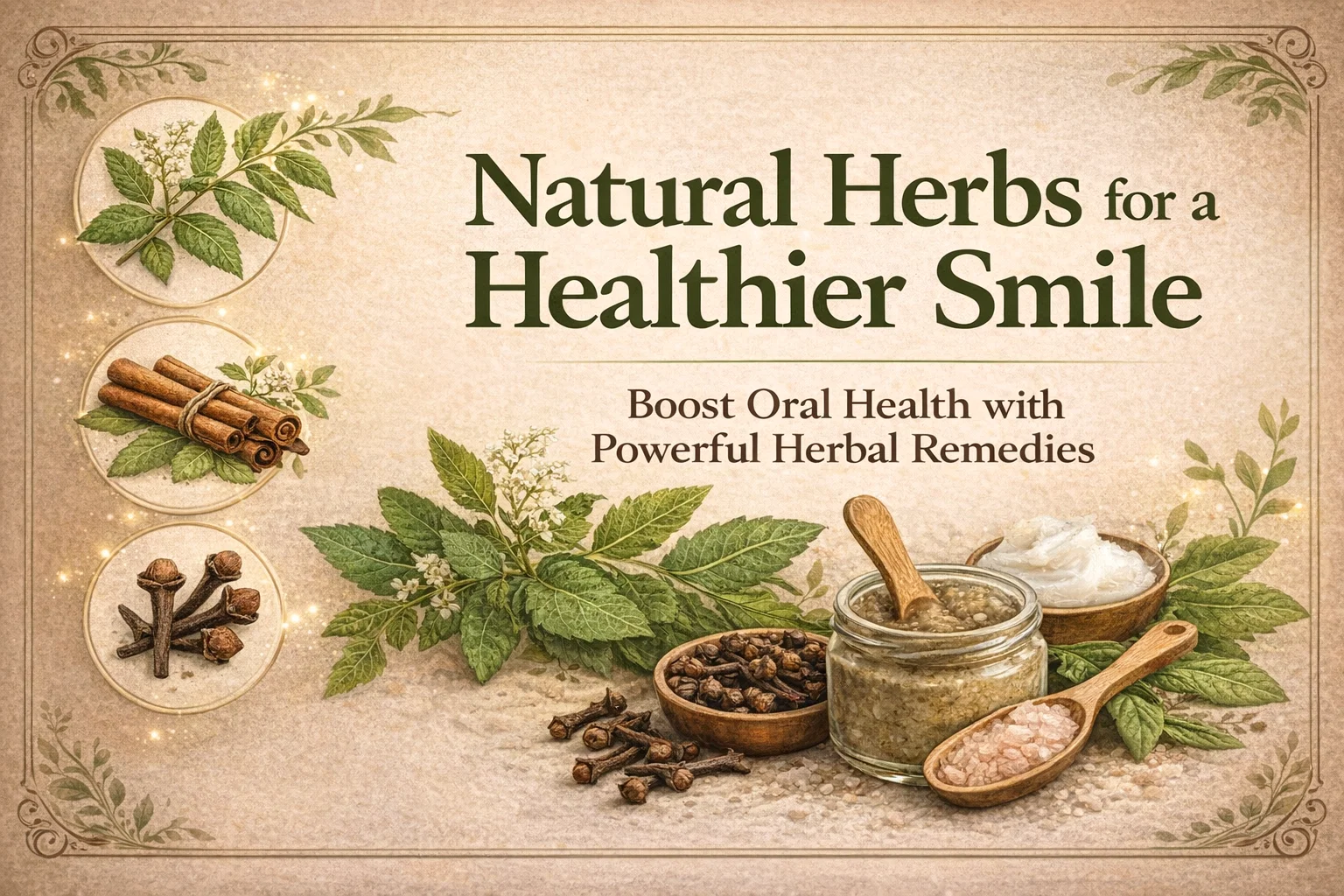
To create a truly effective anti-cavity toothpaste, you need ingredients that address the three pillars of oral health: antibacterial action, inflammation reduction, and remineralization. The recipe shown in the guide focuses on a specific blend of herbs and minerals that work synergistically to protect your teeth and gums.
The Magic of Neem
Often referred to as the village pharmacy in India, Neem is perhaps the most famous herb for oral care. It contains powerful compounds that inhibit the ability of bacteria to stick to your teeth and form plaque. Regular use of neem has been shown to significantly reduce the risk of gingivitis and help prevent the formation of cavities. In this recipe, neem powder acts as the primary defense mechanism, creating an environment in your mouth where harmful microbes struggle to survive.
Cinnamon: More Than Just a Flavor
While we often think of cinnamon as a cozy baking spice, its antimicrobial properties are legendary. In a toothpaste context, cinnamon helps to reduce oral microbes that cause bad breath and decay. It also provides a natural, warming sensation that makes the brushing experience more pleasant. Unlike artificial mint flavorings that can sometimes be irritating to sensitive mouths, cinnamon offers a gentle but effective way to keep your breath fresh throughout the day.
Cloves: The Traditional Pain Ally
If you have ever had a toothache, you have likely heard of clove oil. Cloves contain a high concentration of eugenol, a natural anesthetic and antiseptic. This makes cloves an essential ingredient for anyone dealing with gum sensitivity or minor discomfort. Beyond its numbing qualities, clove powder is a powerhouse at combating the specific bacteria responsible for tooth decay. Including it in your daily paste provides a constant layer of protection for your gum line.
Understanding the Mineral Base
While the herbs provide the medicinal punch, the base of your toothpaste provides the structure and the cleaning power. This recipe utilizes a combination of coconut oil, baking soda, and salt to create a balanced environment for your teeth.
The Role of Virgin Coconut Oil
Coconut oil is the perfect medium for herbal toothpaste because of its high lauric acid content. Lauric acid is known for its ability to kill harmful bacteria, fungi, and viruses. When used as a base, it creates a smooth, spreadable texture that coats the teeth and gums, allowing the herbal powders to stay in contact with the oral tissues for longer. It also helps with a process known as oil pulling, which draws out toxins from the gums as you brush.
Baking Soda and Himalayan Pink Salt
Baking soda is a mild abrasive that helps to mechanically remove plaque and surface stains without damaging the enamel. More importantly, it is highly alkaline. Most tooth decay occurs when the mouth becomes too acidic. By neutralizing those acids, baking soda protects the enamel from erosion. Himalayan pink salt adds a boost of trace minerals that can aid in the minor remineralization of teeth, while also acting as a natural preservative for your homemade mixture.
How to Make Your Herbal Anti-Cavity Toothpaste
Creating this recipe is incredibly simple and requires no special equipment. Start by gathering your dry ingredients: three tablespoons of neem powder, one tablespoon of cinnamon powder, one tablespoon of dried cloves (finely powdered), one tablespoon of baking soda, and half a tablespoon of Himalayan pink salt. Mix these thoroughly in a small bowl until the color is uniform. This ensures that the potent herbs are evenly distributed throughout the paste.
Once your dry mix is ready, slowly add five tablespoons of virgin coconut oil. If your coconut oil is solid, you may want to soften it slightly in a warm room, but avoid melting it into a complete liquid as it can make the mixing process a bit messy. Stir the oil into the powders until you achieve a thick, smooth paste. Transfer the finished product into a small glass jar with a tight-fitting lid. Because this recipe contains no water, it has a surprisingly long shelf life and does not require refrigeration.
Tips for Using Herbal Toothpaste
-
Use a small amount: You only need a pea-sized amount on your toothbrush. This paste is much more concentrated than commercial versions.
Expect a different texture: Since there are no foaming agents, this paste won’t bubble up. It will feel more like a therapeutic treatment for your mouth.
Rinse well: The herbal powders can leave a slight residue, so be sure to rinse thoroughly with warm water after brushing.
Dip carefully: To keep your jar clean, use a small wooden spatula or a clean spoon to apply the paste to your brush rather than dipping the brush directly into the jar.
The Holistic Approach to Oral Health
While a great toothpaste is a vital tool, true oral health is a reflection of your overall systemic health. What you eat plays a massive role in the strength of your teeth. Diets high in processed sugars feed the very bacteria that neem and cloves are trying to fight. To get the most out of your herbal toothpaste, focus on a diet rich in fat-soluble vitamins like A, D3, and K2, which are essential for calcium absorption and bone health.
Hydration is another key factor. Saliva is your body’s natural defense against cavities; it washes away food particles and neutralizes acids. By staying hydrated and using a natural toothpaste that doesn’t dry out your mouth with harsh alcohols, you support your body’s innate ability to heal and protect itself. Integrating this herbal paste into a lifestyle that includes tongue scraping and flossing will create a comprehensive routine that leaves your smile glowing.
Final Thoughts on Natural Dental Care
Transitioning to a homemade herbal toothpaste is an empowering step toward a more natural, intentional lifestyle. It allows you to move away from the “one size fits all” approach of the dental industry and embrace the specific healing properties of the plant kingdom. By using the recipe of neem, cinnamon, and cloves, you aren’t just cleaning your teeth; you are nourishing your gums and protecting your long-term health with ingredients you can actually trust.
There is a special kind of satisfaction that comes from knowing exactly what is in your daily essentials. As you begin to see the results—stronger gums, fresher breath, and a cleaner feeling that lasts all day—you will wonder why you didn’t make the switch sooner. Nature has always had the answers we need; sometimes we just have to look back at the ancient ways to find the best path forward for our modern lives. Give this recipe a try and enjoy the peace of mind that comes with a truly healthy, herbal smile.
I have generated the full HTML body for your blog post. Would you like me to create a list of social media captions or a meta description to help promote this new content?