DIY Clove Bud Skin Support Cream Recipe Natural Soothing Skincare for Hydration Glow
Finding the perfect balance between effective skincare and natural ingredients can often feel like an expensive game of trial and error. We search for products that offer deep hydration while also providing the protective benefits of antioxidants, yet many store-bought options are filled with synthetic fragrances and stabilizers that do more harm than good. If you have been looking for a way to take control of your beauty routine using the power of botanicals, this DIY Clove Bud Skin Support Cream is the ultimate solution. Inspired by recent research into proper essential oil delivery, this cream is designed to soothe, protect, and rejuvenate your skin using simple, high-quality ingredients you can trust.
The Power of Clove Bud in Holistic Skincare
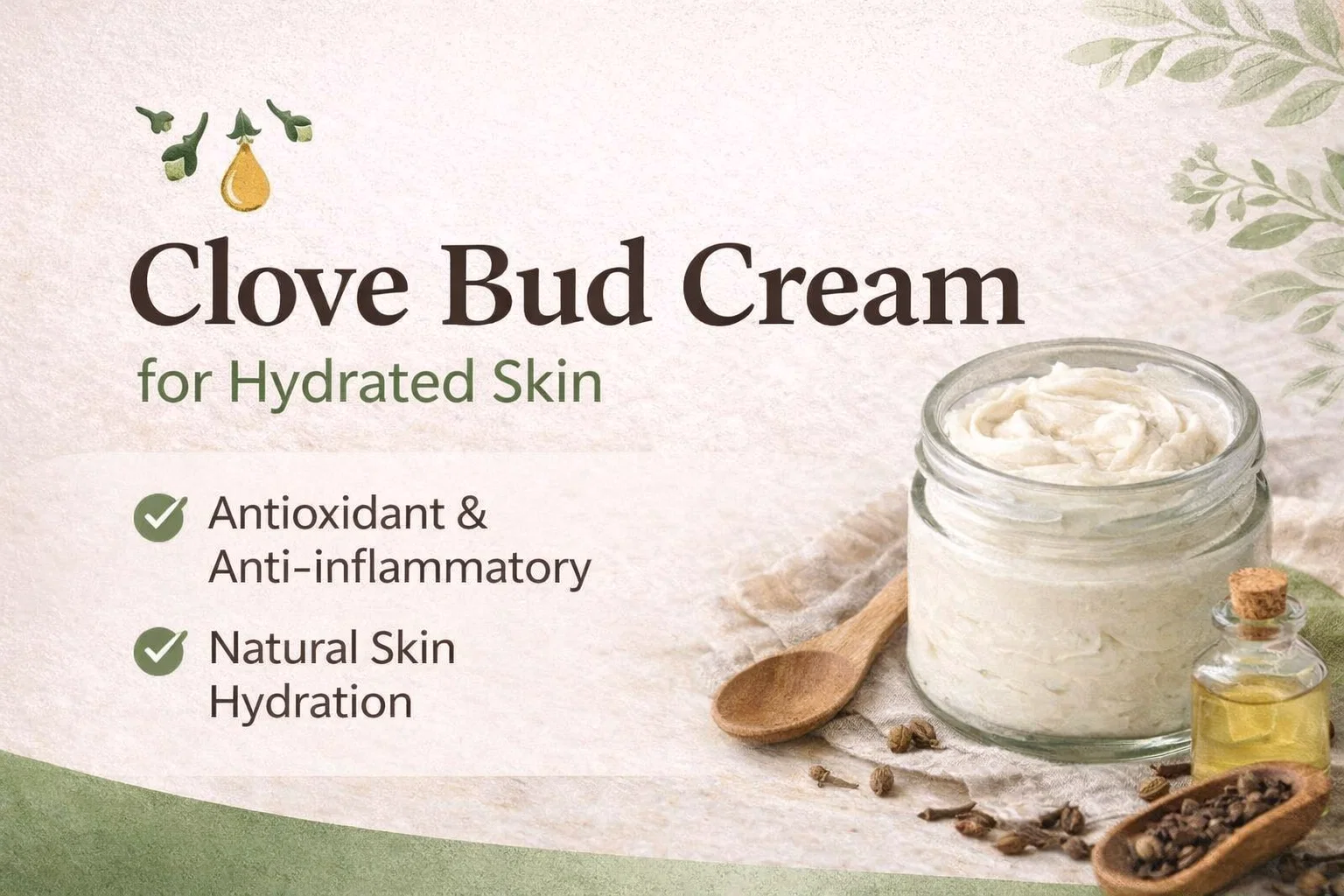
Clove bud essential oil is perhaps best known for its use in dental care or holiday baking, but its benefits for the skin are profound. The primary active compound in clove oil is eugenol, which is celebrated in the wellness community for its potent antioxidant and anti-inflammatory properties. When applied topically in the correct dilution, clove bud can help neutralize free radicals and calm skin that feels stressed or irritated.
Recent studies, such as those published in the journal Antioxidants, have highlighted how specific delivery methods can enhance the efficacy of these plant compounds. By suspending clove bud essential oil in a rich base of fatty acids and natural waxes, we allow the skin to absorb the benefits slowly and steadily. This not only maximizes the “skin support” aspect of the cream but also ensures that the potent nature of the clove is balanced by the soothing properties of the carrier oils.
Understanding the Core Ingredients
To create a truly effective skin support cream, the base is just as important as the active essential oil. Each ingredient in this recipe serves a specific purpose, working in harmony to create a texture that is both luxurious and functional.
Organic Shea Butter
Shea butter is the heart of this recipe. Extracted from the nuts of the shea tree, this thick, creamy butter is packed with vitamins A and E. It acts as an occlusive, meaning it creates a breathable barrier on the skin that locks in moisture and protects against environmental pollutants. Using organic shea butter ensures that you are avoiding pesticides and preserving the natural integrity of the fats that your skin craves.
Fractionated Coconut Oil
Unlike regular coconut oil, which can be heavy and sometimes comedogenic for certain skin types, fractionated coconut oil stays liquid at room temperature and has a much lighter feel. It is easily absorbed and serves as an excellent carrier, helping to “carry” the clove bud oil deeper into the dermis without leaving a greasy residue. It also provides a silky slip to the cream, making it easy to spread over larger areas of the body.
Jojoba Oil
Jojoba oil is technically a liquid wax, and its chemical structure is incredibly similar to human sebum. This makes it a “biocompatible” ingredient, meaning your skin recognizes it and knows exactly what to do with it. Jojoba helps to balance oil production, making this cream suitable even for those who might typically shy away from oil-based products. It provides an extra layer of nourishment that supports the skin’s natural lipid barrier.
The Science of Dilution and Skin Safety
One of the most critical aspects of working with essential oils is understanding dilution. Clove bud is a “hot” oil, which means it can cause significant irritation or even chemical burns if applied undiluted. This recipe follows a low-dilution protocol specifically designed for topical use. By using just 4 drops of essential oil in a base of roughly 4 tablespoons of carrier fats, we create a safe environment for your skin to interact with the plant’s chemistry.
Using oils within a cream base helps to stabilize the volatile compounds found in essential oils. If you were to apply an essential oil directly, much of it would evaporate before it could be absorbed. The fats in shea butter and jojoba oil “trap” these molecules, ensuring a slow and steady delivery system. This is why professional lab delivery methods often mimic these natural fat-based suspensions to achieve the best results in clinical settings.
Step-by-Step Guide to Making Your Skin Support Cream
Creating your own skincare at home is a therapeutic process. It allows you to slow down and connect with the ingredients that will eventually nourish your body. Follow these steps carefully to ensure the best texture and shelf life for your DIY cream.
- Step 1: Gentle Melting. Use a double boiler to melt your organic shea butter. If you do not have a double boiler, place a glass bowl over a pot of simmering water. Avoid direct high heat, as overheating shea butter can cause it to become “grainy” once it cools down.
- Step 2: Cooling Phase. Once the shea butter is completely liquid, remove it from the heat. Allow it to sit for a minute or two so the temperature drops slightly.
- Step 3: Incorporating Carriers. Stir in your fractionated coconut oil and jojoba oil. Whisk them gently to ensure the different fats are fully integrated into a uniform golden liquid.
- Step 4: Adding the Clove Bud. This is the most important step. Add exactly 4 drops of Clove Bud essential oil. Ensure the mixture is not steaming hot, as high temperatures can degrade the beneficial compounds in the essential oil. Mix thoroughly.
- Step 5: Setting the Cream. Pour the liquid into a clean glass jar. Let it sit at room temperature to set, or place it in the refrigerator for 20 minutes if you prefer a firmer, more “whipped” consistency.
How to Use Your New Botanical Cream
This cream is rich and concentrated, so a little goes a long way. It is best used on areas of the skin that feel particularly dry, tight, or inflamed. Many users find it helpful for rough elbows, knees, or as a soothing hand cream after a long day of work. Because clove bud has a warm, spicy scent, it also provides a grounding aromatherapeutic experience as you massage it into your skin.
The Importance of the Patch Test
Even though this recipe uses a safe dilution, everyone’s skin chemistry is unique. Before applying the cream to a large area, apply a small amount to the inside of your wrist or elbow. Wait 24 hours to ensure no redness or itching occurs. This is a standard practice in both professional aesthetics and home-based herbalism to ensure a positive experience.
Storage and Shelf Life
Since this recipe does not contain water, it does not require a synthetic preservative. However, to keep it fresh, store your jar in a cool, dark place away from direct sunlight. Using a clean spoon or spatula to scoop the cream can also prevent bacteria from your hands from entering the jar, extending its life for up to six months.
Why DIY Skincare is the Future of Wellness
The transition toward DIY skincare is more than just a trend; it is a movement toward transparency. When you make your own products, you know exactly what is going into your pores. You are not paying for fillers, synthetic colors, or marketing fluff. Instead, you are investing in raw, potent ingredients that have been used for centuries to maintain health and beauty.
By following recipes like this one, which are backed by an understanding of botanical science and proper delivery methods, you are bridging the gap between ancient wisdom and modern research. You are giving your skin a “support system” that works with your biology rather than against it.
Conclusion: Embrace Your Natural Glow
Taking care of your skin should be an act of self-love, not a chore involving confusing labels and harsh chemicals. This DIY Clove Bud Skin Support Cream offers a simple, effective, and deeply satisfying way to nourish your body. With the antioxidant power of clove and the deep hydration of shea and jojoba, you are providing your skin with everything it needs to stay resilient and glowing. Whether you are a seasoned “DIY-er” or a complete beginner to the world of essential oils, this recipe is a perfect addition to your natural wellness toolkit. Whip up a batch today and feel the difference that botanical purity can make.
Would you like me to help you generate a list of other essential oils that pair well with shea butter for different skin types, or perhaps create a label design for your new cream?