Homemade Tea Tree Oil Soap Recipe for Acne Natural Skincare DIY for Clear Healthy Skin
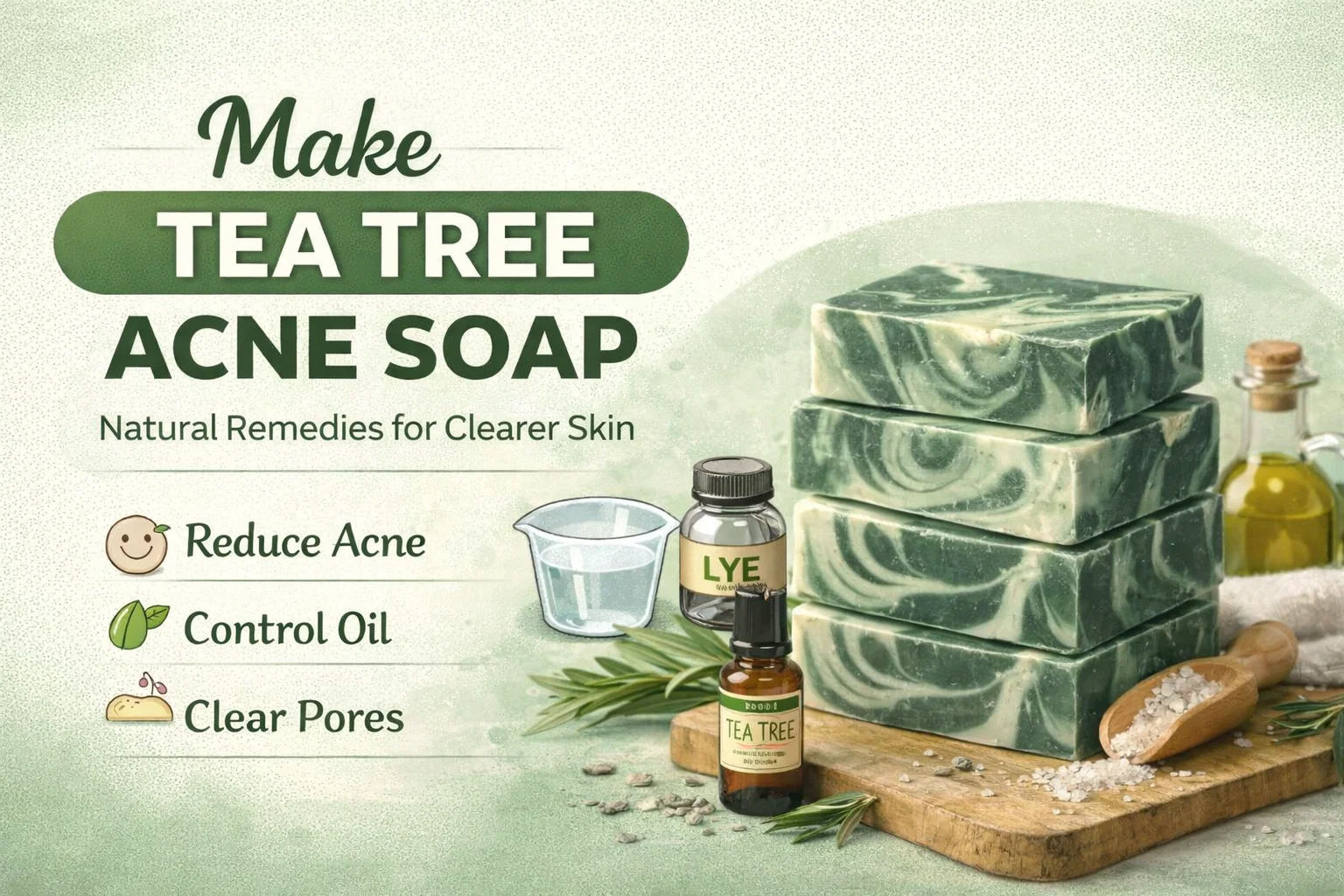
Finding a natural solution for acne can feel like an endless journey of trial and error. Many store bought cleansers contain harsh chemicals that strip the skin of its natural oils, leading to more irritation and even more breakouts. If you have been looking for a way to take control of your skincare routine with wholesome, plant based ingredients, making your own soap is a rewarding place to start. This Tea Tree Acne Soap recipe combines the power of essential oils with the skin loving benefits of olive and coconut oils to create a bar that cleanses deeply while keeping your complexion balanced and hydrated.
Handmade soap is more than just a craft project. It is an opportunity to know exactly what is going onto your skin. By using the cold process method, you preserve the quality of your oils and create a long lasting bar that feels luxurious and creamy. Whether you are dealing with occasional hormonal breakouts or persistent oily skin, this specific formula is designed to target the root causes of acne while promoting a healthy, natural glow. Let us dive into why these specific ingredients work so well and how you can safely master the art of soap making at home.
The Power of Tea Tree Oil for Clear Skin
At the heart of this recipe is tea tree oil, a powerhouse ingredient that has been used for centuries in traditional wellness practices. Derived from the leaves of the Melaleuca alternifolia plant, this essential oil is famous for its antimicrobial and anti inflammatory properties. When applied to the skin in a properly formulated soap, it helps to neutralize the bacteria that lead to acne without the stinging sensation associated with synthetic alcohols.
How Tea Tree Oil Targets Acne
Acne often occurs when excess sebum, dead skin cells, and bacteria become trapped in the hair follicles. Tea tree oil acts as a natural solvent that can penetrate these pores to break down buildup. Because it is a natural antiseptic, it reduces the redness and swelling associated with active pimples. In this soap recipe, the tea tree oil is diluted perfectly within the saponified oils, ensuring it is effective but gentle enough for daily use on both the face and body.
Understanding Your Ingredients
Every ingredient in a cold process soap recipe serves a specific purpose. Balancing hard oils for lather and soft oils for conditioning is the secret to a professional quality bar. This recipe uses a simple but highly effective blend of three main components to ensure your skin stays happy.
- Olive Oil (350g): This is the ultimate conditioning agent. It provides a smooth, silky feel to the soap and ensures that your skin remains moisturized after every wash. Olive oil is rich in antioxidants, which help repair skin damage.
- Coconut Oil (150g): Known for its incredible cleansing abilities, coconut oil creates those big, fluffy bubbles we all love in a soap bar. It is also a hard oil, which means it helps the soap bar stay firm and last longer in your shower.
- Tea Tree Essential Oil (1 tsp): This provides the therapeutic benefits and a refreshing, medicinal scent that leaves you feeling clean and invigorated.
The Science of Saponification
To turn these liquid oils into a solid bar of soap, a chemical reaction called saponification must occur. This happens when an acid (the oils and fats) reacts with a base (the lye and water solution). While the word lye can sound intimidating to beginners, it is a fundamental part of traditional soap making. When the process is finished and the soap has cured, there is no lye left in the final product. It has all been transformed into soap and glycerin.
Safety First with Lye
Working with sodium hydroxide (lye) requires respect and care. Always wear gloves, safety goggles, and long sleeves when handling lye. Ensure your workspace is well ventilated, and always remember the golden rule: add your lye to the water, never the water to the lye. Adding water to a bowl of lye can cause a dangerous volcanic reaction. By following these safety protocols, you can enjoy the process with total peace of mind.
Step by Step Guide to Making Tea Tree Soap
Once you have gathered your equipment including a digital scale, a stainless steel pot, and a stick blender, you are ready to begin. Cold process soap making is a slow, meditative craft that rewards patience and precision.
Step 1: Preparing the Lye Solution
Weigh out 160g of distilled water into a heat safe container. Carefully weigh 70g of lye (sodium hydroxide) in a separate dry container. Slowly pour the lye into the water, stirring gently until dissolved. This mixture will heat up significantly and release some fumes, so step back and let it sit in a safe place to cool down to about 100 to 110 degrees Fahrenheit.
Step 2: Melting the Oils
In a large stainless steel or heat safe plastic bowl, combine your 350g of olive oil and 150g of coconut oil. If your coconut oil is solid, you may need to gently heat it until it liquefies. Aim to have your oils at a similar temperature to your lye solution. This helps the two phases emulsify more easily.
Step 3: Mixing and Reaching Trace
Carefully pour the lye solution into your pot of oils. Use a stick blender (immersion blender) to mix the ingredients. Alternate between short bursts of blending and stirring by hand. You are looking for a stage called trace. Trace is reached when the mixture thickens to a pudding like consistency, and a drizzle of soap left on the surface leaves a visible trail or mark before sinking back in.
Step 4: Adding the Essential Oil
Once you hit a light trace, it is time to add your 1 teaspoon of tea tree essential oil. Stir this in thoroughly by hand to ensure the scent and benefits are distributed evenly throughout the entire batch. If you want to get creative, you could also add a tablespoon of dried botanicals or a natural colorant like French green clay at this stage.
Molding and the Curing Process
Pour your soap batter into a silicone or wood mold. Tap the mold firmly on the counter a few times to release any trapped air bubbles. Cover the mold and let it sit undisturbed for 24 to 48 hours. During this time, the soap will undergo the bulk of its chemical transformation and harden.
The Importance of a 4 to 6 Week Cure
While it is tempting to use your soap immediately, curing is the most vital step for quality. During the 4 to 6 week cure period, the remaining water evaporates from the bars. This makes the soap harder, gentler on the skin, and creates a much better lather. Set your bars in a cool, dry place with plenty of airflow and flip them occasionally. Your patience will be rewarded with a professional grade bar of soap that does not turn to mush in your soap dish.
Top Tips for Acne Prone Skin Care
Using a natural tea tree soap is a fantastic start, but holistic skin health involves a full lifestyle approach. To get the most out of your handmade bars, consider these tips for managing oily and acne prone skin.
Consistent Cleansing
Wash your face twice a day, especially after sweating. The tea tree oil in your soap will help keep bacteria levels low, but consistency is key to preventing new blockages. Avoid scrubbing too hard, as this can cause micro tears in the skin and lead to more inflammation.
Moisturize Correctly
It sounds counterintuitive, but oily skin needs moisture. If you strip your skin too much, it responds by producing even more oil. After using your tea tree soap, apply a light, non comedogenic moisturizer to keep your skin barrier intact and healthy.
Customizing Your Recipe
Once you feel comfortable with this basic recipe, you can begin to experiment. Soap making is a versatile hobby that allows for endless customization. For an even more powerful acne soap, you might consider adding activated charcoal to help pull toxins from the pores. Alternatively, adding a bit of shea butter can increase the creamy feel of the lather for those with combination skin.
Natural colorants like spirulina or matcha powder can provide a beautiful green hue that matches the herbal scent of the tea tree oil. The possibilities are truly limited only by your imagination and your skin’s specific needs.
Conclusion: Embrace the Glow of Natural Beauty
Taking the leap into DIY skincare is a powerful way to honor your body and the environment. By making this Tea Tree Acne Soap, you are choosing to move away from synthetic fragrances and harsh surfactants in favor of time tested, botanical ingredients. This recipe provides a balanced approach to acne management, offering deep cleansing without sacrificing the health of your skin’s moisture barrier.
There is a special kind of satisfaction that comes from using a product you made with your own hands. As you watch your skin clear up and feel the soft texture of your handmade bars, you will likely find that soap making becomes more than just a chore. It becomes a ritual of self care. So, grab your goggles, set up your scale, and start your journey toward clearer, healthier skin today. Your complexion will thank you for the extra love and natural goodness.
Would you like me to generate a specific Python script to help you format these posts for your WordPress API, or perhaps create a list of similar herbal soap recipes to expand your blog category?