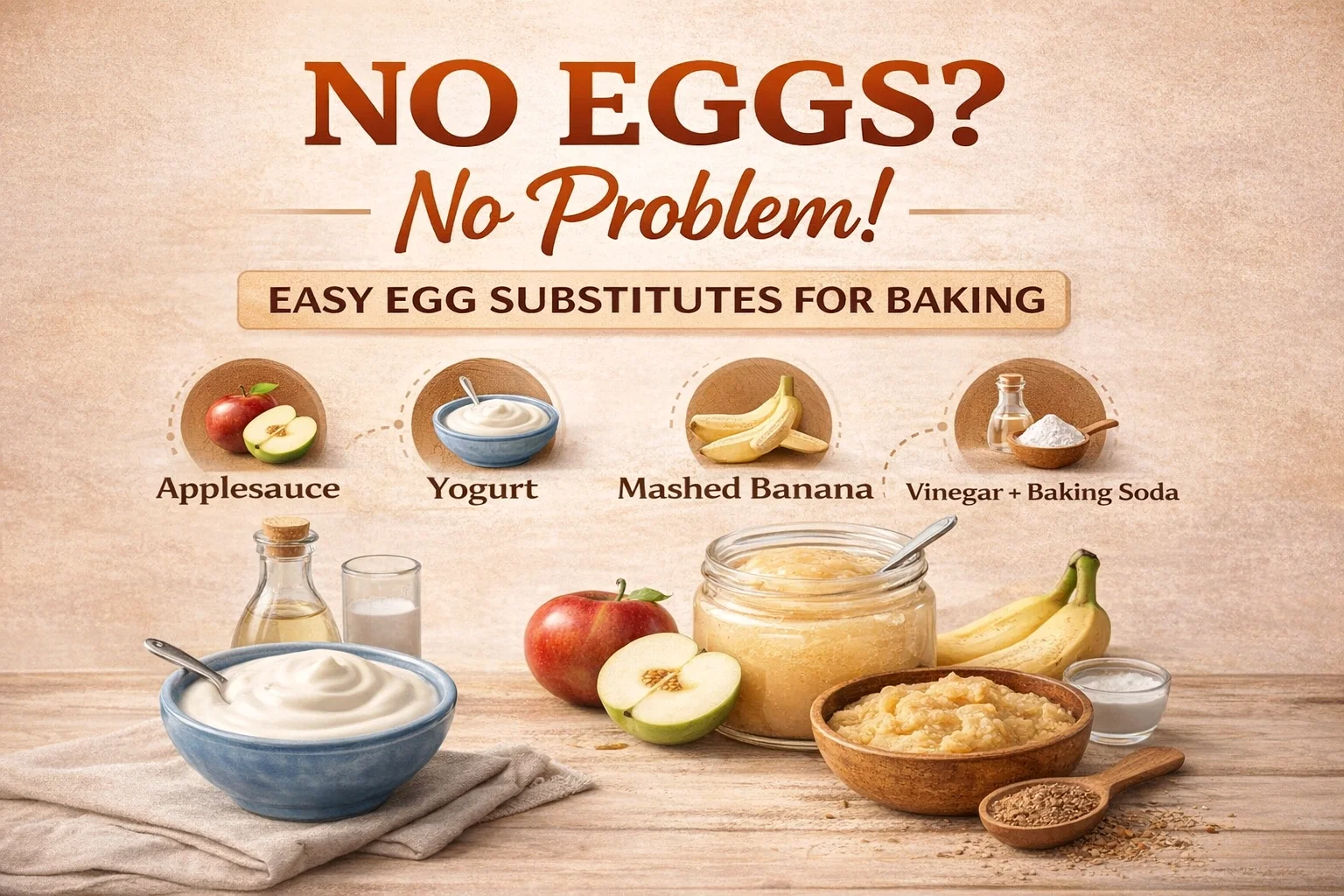
5 Best Egg Substitutes for Baking Easy Vegan Dairy-Free Baking Hacks
We have all been there. You are halfway through mixing a batch of chewy chocolate chip cookies or a moist birthday cake when you reach into the refrigerator only to find the egg carton is completely empty. It is a moment of pure kitchen panic that usually results in a frantic trip to the grocery store or a scrapped baking project. But what if you did not need those eggs at all? The truth is that some of the best baked goods in the world are made using simple, plant based alternatives that you likely already have sitting in your pantry or fruit bowl.
The science of baking is often seen as rigid, but it is actually incredibly flexible once you understand the role an egg plays in a recipe. Eggs provide structure, leavening, and moisture. By identifying which of these functions is most important for your specific treat, you can swap them out for ingredients like applesauce, yogurt, or even a splash of vinegar and baking soda. This guide will walk you through the most effective egg substitutes, ensuring your muffins stay fluffy and your brownies stay fudgy without a single shell in sight.
The Essential Role of Eggs in the Baking Process
Before we dive into the specific swaps, it is helpful to understand why eggs are such a staple in traditional recipes. In most bakes, eggs serve three primary purposes. First, they act as a binder, holding the flour, sugar, and fats together so your cake does not crumble into a pile of dust. Second, they provide leavening, which helps the batter rise and creates a light, airy texture. Finally, the fat in the yolk adds richness and a tender crumb.
When you choose a substitute, you want to match the replacement to the desired outcome. For example, if you are making a dense quick bread, a fruit puree like mashed banana is perfect because it mimics the moisture and binding properties of an egg. However, if you are making a light sponge cake, you might need something that offers more lift, like the chemical reaction between vinegar and baking soda.
1. Applesauce: The Moisture Master
Applesauce is perhaps the most popular egg substitute for home bakers, and for good reason. It is inexpensive, has a long shelf life, and provides an incredible amount of moisture without significantly altering the flavor profile of your recipe. It is particularly effective in muffins, cupcakes, and snack cakes where a soft, tender bite is the goal.
How to Use Applesauce as a Swap
The standard ratio is 1/4 cup of unsweetened applesauce for every 1 egg required. It is important to use the unsweetened variety to avoid adding unnecessary sugar to your recipe, which could affect the final texture and sweetness level. If you only have sweetened applesauce on hand, you may want to slightly reduce the amount of granulated sugar called for in the original directions.
Best Recipes for Applesauce
- Oatmeal cookies
- Spiced muffins
- Chocolate cake
- Zucchini bread
2. Greek or Plain Yogurt: For Richness and Tang
If you are looking for a substitute that adds a bit of creamy richness similar to an egg yolk, yogurt is your best friend. Yogurt contains protein and fat, which helps to create a sturdy structure and a velvety mouthfeel. It also adds a very subtle tang that can brighten up the flavors of citrus or vanilla based bakes.
The Yogurt Substitution Ratio
Use 1/4 cup of plain yogurt to replace 1 egg. While Greek yogurt works well because of its thickness, regular plain yogurt is also a great choice. Avoid flavored yogurts like strawberry or vanilla unless you want those specific flavors to permeate your entire dish. This swap is excellent for recipes that need to remain moist over several days, as the acidity in the yogurt helps retain hydration.
3. Mashed Banana: Nature’s Sweet Binder
Mashed bananas are a classic vegan baking staple. They are fantastic binders because of their high starch content, and they add a natural sweetness that complements many flavors. However, unlike applesauce, bananas do carry a distinct flavor. If you use banana as a substitute, your final product will likely have a hint of banana aroma and taste.
Perfecting the Banana Swap
The magic number is 1/4 cup of well mashed, overripe banana per egg. The more brown spots on the peel, the better. Overripe bananas are easier to mash into a smooth puree, ensuring you do not end up with unwanted fruit chunks in your delicate cake batter. This is a favorite for pancakes and brownies where a little extra fruit flavor is a welcome addition.
4. Vinegar and Baking Soda: The Ultimate Lift
This is the “science experiment” of the baking world, and it is incredibly effective for recipes that need to be light and airy. When you mix an acid like vinegar with a base like baking soda, a chemical reaction occurs that produces carbon dioxide bubbles. These bubbles get trapped in the batter as it bakes, causing the cake to rise beautifully without the need for eggs.
The Fizzy Ratio
Mix 1 tablespoon of white distilled vinegar or apple cider vinegar with 1/2 teaspoon of baking soda to replace 1 egg. You should add these ingredients toward the very end of your mixing process and get the batter into the oven quickly while the reaction is still active. This method is the gold standard for vegan vanilla cakes and fluffy cupcakes.
5. The Flax Egg: A Nutty, High Fiber Alternative
For those who want a healthy twist or a more “earthy” texture, the flax egg is a game changer. Made from ground flaxseed meal and water, this mixture develops a gelatinous consistency that mimics the viscous nature of an egg white. It is packed with omega 3 fatty acids and fiber, making your treats just a little bit more nutritious.
How to Make a Flax Egg
Whisk together 1 tablespoon of ground flaxseed meal with 3 tablespoons of water. Let the mixture sit for about 5 to 10 minutes until it thickens into a gel. Once it has reached that “gloopy” stage, it is ready to be stirred into your wet ingredients. Because flax seeds have a slightly nutty flavor and a bit of texture, they are best used in whole grain bakes, hearty cookies, and savory breads.
6. Commercial Egg Replacers: The Convenient Choice
If you bake frequently without eggs, you might want to keep a box of commercial egg replacer in your pantry. These are usually powdered blends made from potato starch, tapioca flour, and leavening agents. They are designed to be flavor neutral and are formulated specifically to mimic both the binding and lifting properties of real eggs.
The instructions vary by brand, but usually, you just whisk a small amount of the powder with water before adding it to your recipe. These are the most versatile options if you are trying to convert a complex recipe that requires three or more eggs, as they are engineered to maintain the structural integrity of the bake better than simple fruit purees might.
Tips for Success When Baking Without Eggs
Transitioning to egg free baking can involve a bit of trial and error. Here are a few professional tips to ensure your kitchen experiments are a success every time:
- Start Small: If a recipe calls for more than 3 eggs, it is much harder to replace them all with fruit purees without changing the texture significantly. Stick to recipes that require only 1 or 2 eggs for the best results.
- Watch the Temperature: Most substitutes work best when they are at room temperature. If you add cold yogurt to a batter with melted butter, the butter might clump up.
- Check for Doneness Early: Fruit based substitutes like banana and applesauce can make bakes more moist, which sometimes means they need a few extra minutes in the oven, or conversely, they might brown faster on the outside.
- Don’t Overmix: Without the structural support of eggs, overworking the gluten in your flour can lead to a gummy or tough texture. Mix until just combined.
Conclusion: Embrace the Eggless Adventure
Baking without eggs does not mean you have to settle for flat, dry, or flavorless desserts. In fact, many people find that using substitutes like yogurt or applesauce actually results in a more moist and flavorful treat than the original version. Whether you are baking for a vegan friend, navigating an allergy, or just trying to save a trip to the store, these five substitutes provide you with the freedom to create in the kitchen whenever inspiration strikes.
The next time you find yourself staring at an empty egg carton, remember that your pantry is already full of possibilities. Experiment with the nutty crunch of a flax egg or the airy lift of a vinegar and soda reaction. You might just discover a new favorite way to bake your signature treats. Happy baking!
Would you like me to create a specific recipe using one of these egg substitutes for you next?