9 Best Companion Planting Vegetable Pairs for Square Foot Gardening Small Spaces
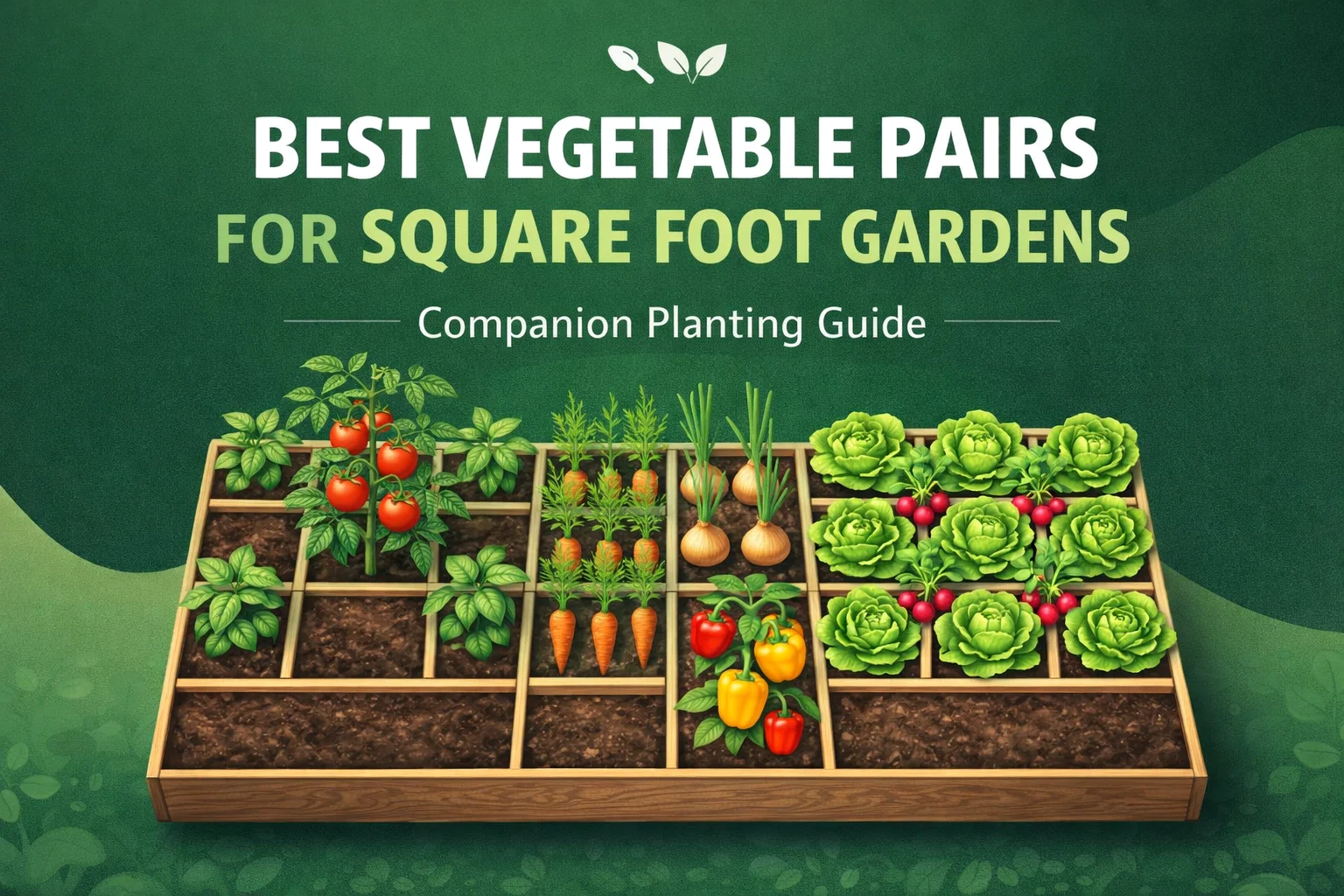
Stepping into the world of gardening can feel a bit like learning a new language. You hear terms like soil pH, nitrogen fixation, and crop rotation, and it is easy to feel overwhelmed before you even get your hands in the dirt. But what if there was a way to simplify the entire process while actually increasing your harvest? That is where the magic of square foot gardening and companion planting comes into play. By dividing your garden into manageable one foot squares and pairing the right vegetables together, you create a tiny, self-sustaining ecosystem that thrives with minimal effort. The image we are looking at today is a perfect blueprint for this method, showcasing how specific plant duos can work in harmony to produce a bounty of fresh, organic food right in your backyard.
The Philosophy of Square Foot Gardening
Square foot gardening is a concept that has revolutionized the way home gardeners approach their outdoor spaces. Instead of long, traditional rows that require a lot of walking space and weeding, this method uses raised beds divided into a grid. Each square represents a specific area where you can plant a set number of crops based on their size. It is an incredibly efficient use of space, making it the go-to choice for urban gardeners or anyone with a small suburban plot.
When you combine this grid system with companion planting, you are essentially giving your plants a set of best friends. Some plants grow better when they are near others because they share nutrients, provide shade, or even act as a natural trellis. This visual guide highlights nine of the most effective pairings that ensure your square foot garden is not just organized, but also highly productive.
Tomato and Basil: The Classic Culinary Duo
If there is one pairing that every gardener should start with, it is the Tomato and Basil square. This is perhaps the most famous example of companion planting, and for good reason. From a growth perspective, basil is known to repel certain pests like thrips and flies that often plague tomato plants. Some even say that growing basil next to tomatoes improves the flavor of the fruit itself.
Maximizing Your Tomato Square
In a square foot garden, a single tomato plant usually takes up one square if it is a determinate variety. If you are growing indeterminate tomatoes that climb, you can prune them to a single stalk and grow them up a trellis. Surrounding the base of that tomato plant with basil not only saves space but also acts as a living mulch, keeping the soil moist and cool during those hot summer afternoons.
Carrot and Onion: A Strategic Underground Partnership
The Carrot and Onion grid is a masterclass in spatial efficiency. Carrots grow deep into the soil, while onions have relatively shallow root systems. This means they are not competing for the same space or nutrients. However, the real benefit here is pest protection. The strong scent of onions is known to confuse the carrot rust fly, a common pest that can ruin a carrot crop. In return, the carrots help loosen the soil as they grow, which benefits the onion bulbs as they expand.
When planting this grid, you can fit quite a lot into a single square. Since both are relatively thin crops, you can often plant sixteen carrots in a single square or a dense mix of green onions and carrots to ensure every inch of soil is being used effectively.
Lettuce and Radish: The Fast Track to Fresh Salads
For the gardener who wants quick results, the Lettuce and Radish mix is unbeatable. Both of these crops are cool-season favorites that grow very quickly. Radishes are often ready to harvest in as little as twenty five days, while lettuce can be harvested as “cut and come again” greens within a month.
How They Work Together
Radishes are great for breaking up tough soil, making it easier for the delicate roots of lettuce to take hold. Additionally, radishes can act as a trap crop for flea beetles. The beetles are attracted to the radish leaves, leaving your lettuce pristine and ready for your salad bowl. Since they both stay relatively low to the ground, they are perfect for the front edge of a raised bed where they can get plenty of sunlight without being shaded by taller plants like peppers or beans.
Bean and Pepper Neighbors: Nitrogen and Support
Peppers are heavy feeders, meaning they need a lot of nutrients from the soil to produce those vibrant red, yellow, and green fruits. This is where beans come in. Beans are legumes, which means they have the unique ability to “fix” nitrogen in the soil. They take nitrogen from the air and turn it into a form that other plants, like peppers, can easily consume.
In a square foot layout, planting bush beans next to a pepper plant ensures the pepper has a constant supply of natural fertilizer. Since peppers can sometimes be a bit top heavy when they are loaded with fruit, the dense foliage of bush beans can also provide a bit of physical support and wind protection for the pepper stems.
Spinach and Strawberry: A Sweet and Savory Block
This might seem like an unusual pairing, but spinach and strawberries are fantastic companions. Both plants enjoy similar soil conditions and moisture levels. Strawberries are perennials that spread via runners, while spinach is a quick-growing annual. In a square foot garden, the spinach acts as a companion that fills in the gaps between strawberry plants.
The large leaves of the spinach provide shade to the soil, which helps keep strawberry roots cool. Since strawberries are susceptible to soil-borne diseases if they get too wet, the spinach helps regulate moisture levels. Plus, harvesting a fresh spinach and strawberry salad directly from the same garden bed is a rewarding experience for any home cook.
Cucumber and Dill: The Pickler’s Paradise
If you enjoy making your own pickles, the Cucumber and Dill partnership is a must-have in your garden. Cucumbers are vigorous climbers that need a lot of support, usually in the form of a trellis at the back of your square foot bed. Dill, with its tall, airy yellow flowers, is the perfect neighbor.
Attracting Beneficial Insects
The main reason this pairing works so well is that dill flowers attract predatory insects like wasps and ladybugs. These beneficial bugs eat the aphids and cucumber beetles that usually attack cucumber vines. Furthermore, dill is known to improve the overall health and growth of brassicas and cucumbers alike. Just be sure to harvest the dill before it goes to seed if you want to keep it from spreading to every other square in your garden!
Beet and Chive: Pest Control and Flavor
Beets are wonderful root vegetables that provide both earthy roots and nutritious greens. When paired with chives, they become much easier to grow. Chives, like onions and garlic, have a pungent aroma that repels aphids, mites, and even rabbits who might be looking for a snack. Many gardeners find that chives also improve the flavor and texture of beets.
In a grid system, chives can be planted in the corners of the square, leaving the center area for the beets to develop their round roots. Because chives are perennial, they will come back year after year, providing a permanent guard for your rotating vegetable crops.
Kale and Garlic: The Hardiest Duo
Kale is one of the toughest vegetables you can grow, often surviving well into the frost. Garlic is equally hardy, usually planted in the fall to be harvested the following summer. When you grow Kale and Garlic together, you are creating a powerhouse of nutrition and resilience. Garlic is a natural antifungal and antibacterial agent, which helps protect the kale from soil-borne pathogens.
The upright growth of garlic means it takes up very little horizontal space, allowing the wide, ruffled leaves of the kale to expand without interference. This is a great pairing for the corners of your garden bed that might get a little less attention, as both plants are relatively low maintenance once they are established.
Chard and Bush Bean: Color and Vitality
Swiss Chard is prized for its beautiful, multicolored stems and large, glossy leaves. Like the pepper and bean pairing, the Chard and Bush Bean duo benefits from the nitrogen-fixing properties of the beans. Chard is a long-standing crop that can be harvested throughout the entire season, while bush beans produce in quick bursts.
This pairing is also visually stunning. The bright reds and yellows of the chard stems contrast beautifully with the deep green of the bean leaves. Because bush beans stay compact, they don’t shade out the chard, ensuring that both plants get the sunlight they need to produce a heavy harvest.
Conclusion: Building Your Perfect Garden
The beauty of square foot gardening is that it takes the guesswork out of the growing season. By following these proven pairings, you are not just planting seeds; you are designing a community. Each plant has a role to play, whether it is providing nutrients, repelling pests, or offering structural support. This visual guide serves as a reminder that nature often has the best solutions for our gardening challenges.
As you plan your next garden, think about how you can incorporate these “veggie squares” into your layout. You don’t need a massive farm to be a successful grower. With just a few wooden boards, some high-quality soil, and the right combinations of plants, you can enjoy a continuous supply of fresh produce all season long. Gardening is a journey of discovery, and these companion pairs are the perfect companions to have by your side as you grow your own food and connect with the earth.