Seed Cycling 101 Natural Hormone Balance Guide
Welcome to the wonderful world of holistic hormone support. If you have ever felt like your body is on a hormonal rollercoaster throughout the month, you are certainly not alone. Many women experience the frustrating symptoms of hormone fluctuations, ranging from unpredictable mood swings and deep fatigue to stubborn hormonal breakouts and painful periods. In our modern, fast-paced world, stress, environmental toxins, and highly processed diets can easily throw our delicate endocrine systems out of balance. However, nature offers us incredibly gentle and effective tools to help bring our bodies back into harmony. One of the most popular, accessible, and nourishing practices gaining immense traction in the wellness community is seed cycling.
Seed cycling is not a fad diet or a restrictive protocol. Instead, it is a beautiful, intuitive way to use whole foods to support your body naturally. By strategically eating specific types of seeds during different phases of your menstrual cycle, you can provide your body with the exact nutrients it needs to produce, process, and eliminate hormones optimally. Whether you are looking to ease uncomfortable PMS symptoms, regulate an irregular cycle, or simply connect more deeply with your body’s natural rhythms, this comprehensive guide will walk you through everything you need to know to get started with seed cycling.
Understanding the Basics of Seed Cycling
Shutterstock
To understand why seed cycling works, we first need to look at the two main stars of the menstrual cycle: estrogen and progesterone. In a healthy cycle, these two hormones perform a perfectly choreographed dance. During the first half of your cycle, estrogen takes the lead, building up the uterine lining and preparing your body for ovulation. In the second half of your cycle, progesterone steps into the spotlight, maintaining that lining and keeping you feeling calm and grounded.
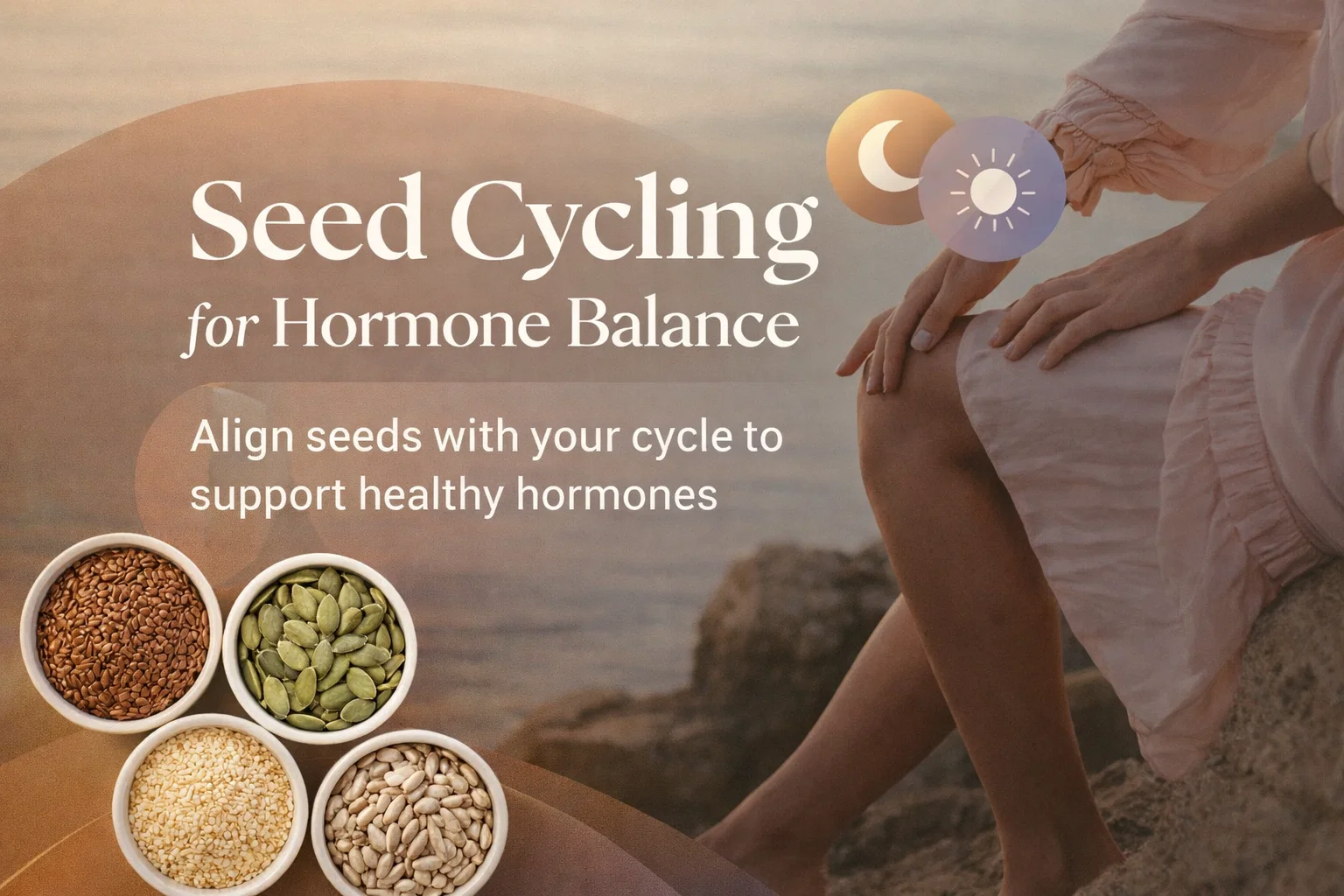
When these hormones fall out of balance, perhaps due to estrogen dominance or low progesterone, we start to experience negative symptoms. Seed cycling steps in to support this delicate balance. The practice involves eating one tablespoon each of flax and pumpkin seeds daily during the first half of your cycle to support estrogen. Then, you switch to one tablespoon each of sesame and sunflower seeds daily during the second half of your cycle to support progesterone production and the detoxification of excess estrogen. It is a simple, food-as-medicine approach that requires minimal effort but can yield beautiful results.
The Four Phases of Your Cycle and Your Seed Prescription
Your menstrual cycle is essentially divided into four distinct phases. While seed cycling is broadly split into two main halves, understanding how the seeds support each specific phase will help you appreciate the profound impact of this daily habit.
Phase 1: The Menstrual Phase (Days 1 to 5)
Your cycle begins on the very first day of heavy menstrual bleeding. This is the menstrual phase, a time when all of your hormone levels are at their lowest point. Your body is working hard to shed the uterine lining, which requires energy and can leave you feeling tired and inward-focused. During this time, your body needs gentle nourishment and minerals to replenish what is being lost.
The Seeds: Flax and Pumpkin
The Dosage: 1 tablespoon of ground flax seeds and 1 tablespoon of ground pumpkin seeds daily.
Why It Works: During your period, flax seeds provide a gentle source of phytoestrogens. These plant-based compounds adapt to what your body needs, helping to support a healthy estrogen baseline as you transition out of your period. Pumpkin seeds are incredibly rich in zinc, a crucial mineral that supports the immune system and aids in physical recovery during menstruation. Zinc also prepares your body for the upcoming follicular phase.
How to Use Them: Because you want comforting, easy-to-digest foods during your period, try stirring your daily tablespoons into a warm bowl of oatmeal, blending them into a nutrient-dense green smoothie, or mixing them into a serving of unsweetened yogurt.
Phase 2: The Follicular Phase (Days 6 to 13)
Once your bleeding stops, you enter the follicular phase. This is when your brain sends signals to your ovaries to start developing follicles, one of which will eventually release an egg. Estrogen begins to rise steadily during this phase, bringing with it a surge of physical energy, mental clarity, and a brighter mood.
The Seeds: Flax and Pumpkin
The Dosage: 1 tablespoon of ground flax seeds and 1 tablespoon of ground pumpkin seeds daily.
Why It Works: You continue with the same seeds from the menstrual phase because your body still needs their specific benefits. The lignans found abundantly in flax seeds are particularly magical here. They bind to excess estrogen, ensuring that your estrogen levels rise healthily without peaking too high or causing estrogen dominance. The zinc from the pumpkin seeds continues to support healthy follicle development in the ovaries.
How to Use Them: Capitalize on your rising energy by sprinkling these seeds over vibrant smoothie bowls, mixing them into homemade baked snacks like energy bites, or tossing them into a hearty morning granola.
Phase 3: The Ovulatory Phase (Days 14 to 16)
Ovulation is the main event of your cycle. It usually occurs right in the middle of your cycle, though this can vary from person to person. Estrogen reaches its absolute peak just before the egg is released, and testosterone also gets a brief surge. After the egg is released, estrogen begins to drop, and progesterone production must kick in. This rapid shift in hormones is why we change our seed protocol at this exact time.
The Seeds: Sesame and Sunflower
The Dosage: 1 tablespoon of ground sesame seeds and 1 tablespoon of ground sunflower seeds daily.
Why It Works: Sesame seeds are packed with a specific type of lignan that helps block excess estrogen. They also contain calcium and selenium, which support the liver. The liver is the organ responsible for filtering and detoxifying the high amounts of estrogen that were just used to trigger ovulation. Sunflower seeds are nutritional powerhouses loaded with Vitamin E, which has been scientifically shown to support robust progesterone production.
How to Use Them: Embrace savory dishes during this time. Top your fresh garden salads with these seeds, blend them into creamy homemade salad dressings, or stir them into warm grain bowls featuring quinoa or brown rice.
Phase 4: The Luteal Phase (Days 17 to 28)
The luteal phase is the longest phase of your cycle, carrying you from ovulation all the way to your next period. The empty follicle that released the egg transforms into a temporary endocrine gland called the corpus luteum, which pumps out progesterone. Progesterone is the hormone responsible for keeping you calm, supporting early pregnancy if conception occurred, and preventing the uterine lining from shedding too early.
The Seeds: Sesame and Sunflower
The Dosage: 1 tablespoon of ground sesame seeds and 1 tablespoon of ground sunflower seeds daily.
Why It Works: If progesterone levels drop too quickly or do not rise high enough compared to estrogen, you will likely experience classic PMS symptoms like breast tenderness, mood drops, bloating, and cravings. The continued dose of Vitamin E from sunflower seeds ensures your corpus luteum has the nutrients it needs to sustain progesterone levels. The sesame seeds continue to aid the liver in flushing out any lingering, unwanted estrogen.
How to Use Them: As your body naturally craves more comfort foods toward the end of your luteal phase, try mixing these seeds into warm oatmeal, stirring them into natural nut butters for an apple-slice dip, or baking them into savory homemade crackers.
Deep Dive into the Superstar Seeds
You might be wondering what exactly makes these four seeds so special. The secret lies in their unique, concentrated nutritional profiles.
- Flax Seeds: These tiny seeds are one of the best dietary sources of lignans, a type of polyphenol. Lignans are phytoestrogens, meaning they have a weak estrogenic effect in the body. If your body is low in estrogen, they can help boost it slightly. If your body has too much estrogen, they bind to estrogen receptors, blocking the stronger human estrogen from taking hold. They are also rich in anti-inflammatory Omega-3 fatty acids.
- Pumpkin Seeds: Rich in zinc, magnesium, and healthy fats. Zinc is absolutely critical for cellular repair and hormone production. Magnesium is a powerful relaxation mineral that helps soothe uterine muscles and calm the nervous system, which is vital during the stressful early days of menstruation.
- Sesame Seeds: These seeds are surprisingly rich in calcium, which has been shown to reduce menstrual cramps and water retention. They also contain zinc and selenium. Selenium is a trace mineral necessary for healthy thyroid function, and a healthy thyroid is intimately connected to healthy ovarian function.
- Sunflower Seeds: The primary benefit here is Vitamin E. This fat-soluble antioxidant protects cells from damage and has been directly linked to improved progesterone synthesis. They also provide a great source of magnesium and Vitamin B6, a vitamin known to alleviate premenstrual mood swings.
Tips for Seed Cycling Success
To get the absolute most out of your seed cycling journey, there are a few best practices you should follow. The way you prepare and store your seeds matters just as much as remembering to eat them.
First and foremost, it is highly recommended to consume your seeds ground rather than whole. Seeds have tough outer hulls that our digestive systems struggle to break down completely. If you eat them whole, they may pass right through you, taking all their wonderful hormonal benefits with them. You can easily grind them yourself using a simple coffee grinder or a small food processor. Grind a few days’ worth at a time to save effort.
Second, storage is crucial. Because seeds contain delicate polyunsaturated fats, they are prone to oxidation and can go rancid quickly when exposed to heat, light, and air. Grinding them speeds up this process. Therefore, you must store your ground seeds in an airtight container in the refrigerator or the freezer to preserve their nutritional integrity. Never leave ground seeds sitting out on the kitchen counter.
Finally, consistency and patience are your best friends. Natural remedies take time to integrate into your system. Do not expect to see a miraculous change overnight. Most holistic practitioners recommend giving seed cycling at least three full menstrual cycles, roughly three months, before evaluating the results. Keep a journal of your symptoms to track your progress accurately over time.
Conclusion: Empowering Your Hormonal Health
Seed cycling is a beautiful reminder that our bodies are incredibly responsive to the nourishment we provide them. By aligning our dietary habits with the natural rhythm of our menstrual phases, we can step out of the cycle of hormonal frustration and step into a space of holistic balance. It is a gentle, accessible, and affordable practice that invites you to pay closer attention to your body’s whispers before they turn into shouts. Whether you choose to blend them into a morning smoothie or sprinkle them over a vibrant salad, incorporating flax, pumpkin, sesame, and sunflower seeds into your daily routine is a powerful act of self-care. Give your body the time and the natural tools it needs, and you may be wonderfully surprised by the harmony you can achieve.