Protect Your Inner Peace Self-Care Mental Wellness Quotes for Emotional Strength
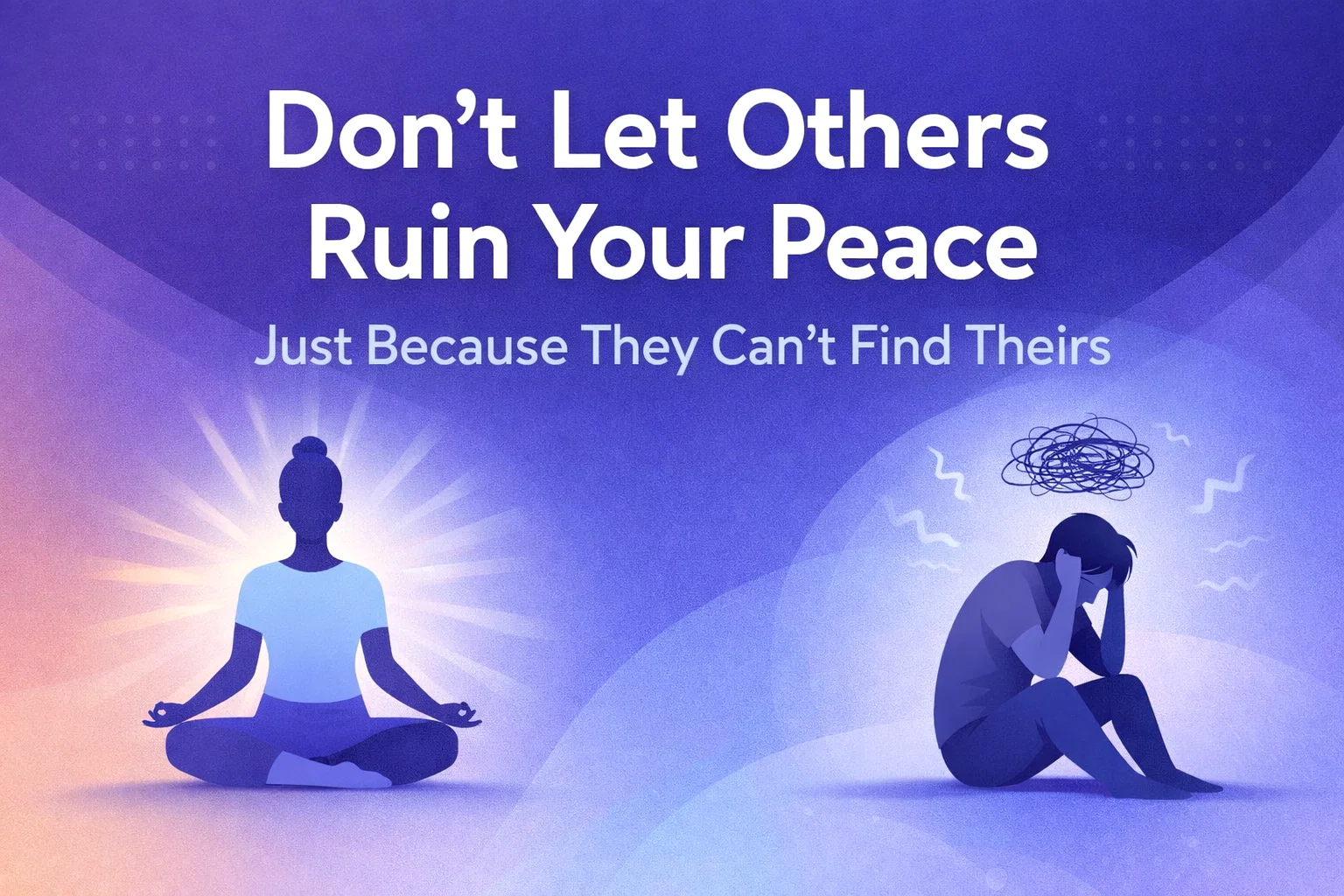
Protecting your mental sanctuary is one of the most courageous things you can do in a world that often feels chaotic. We have all been there: you are having a productive, peaceful day when suddenly someone else’s bad mood or unresolved internal conflict spills over onto you. It feels like an uninvited guest crashing a private party. The image of those hand-written words—Don’t let someone ruin your peace just because they can’t find theirs—is a powerful manifesto for anyone navigating the complexities of modern relationships and self-growth. This simple reminder holds the key to emotional maturity and long-term happiness.
The truth is that our peace of mind is our most valuable currency. When we allow outside influences to dictate our internal state, we give away our power. Emotional contagion is a real phenomenon where we pick up on the “vibes” of those around us, but learning to build an energetic firewall is essential for your well-being. This blog post explores how to cultivate that resilience, set firm boundaries, and remain centered even when the world around you is spinning out of control.
The Psychology of Projecting Internal Chaos
To understand why people try to disrupt your peace, we first have to look at the psychology of projection. When someone is struggling with their own internal narrative, they often lack the tools to process those feelings healthily. Instead of looking inward, they project their frustration, anger, or sadness outward. It is a defense mechanism designed to offload discomfort. If they feel miserable, seeing someone else calm and collected can unintentionally trigger their own insecurities or feelings of inadequacy.
Understanding this does not mean you have to accept poor behavior. However, it does provide a shift in perspective. When you realize that a person’s outburst or negativity is a reflection of their own internal storm rather than a critique of your character, it becomes much easier to detached. You stop taking things personally because you see the “why” behind the “what.” This clarity is the first step in maintaining your composure.
Recognizing the Signs of Emotional Theft
Before you can protect your peace, you need to recognize when it is under attack. Sometimes it is overt, like a heated argument or a blunt criticism. Other times, it is subtle—a passive-aggressive comment, a heavy sigh, or a constant stream of complaining that leaves you feeling drained. These “energy vampires” may not even realize they are doing it, but the impact on your mental health is the same. Recognizing these patterns allows you to step back before your own emotional reserves are depleted.
Building Your Emotional Fortress
Self-preservation is not selfish; it is a necessity. Building an emotional fortress involves creating habits and mindsets that prioritize your stability. This is not about building walls to shut people out, but rather about installing a gate that only lets in what serves your growth and happiness. It starts with the conscious decision that your internal state is your responsibility alone.
One effective method is the practice of “Pause and Reflect.” When you feel a surge of irritation or stress triggered by another person, take ten seconds. Ask yourself: Is this my burden to carry? Usually, the answer is no. By creating this small gap between the external stimulus and your internal reaction, you regain control over the situation. You are no longer a leaf in the wind; you are the tree, rooted and steady.
The Power of “Not My Circus, Not My Monkeys”
This popular phrase perfectly encapsulates the art of emotional detachment. It is the realization that you are not responsible for fixing everyone else’s problems or managing their moods. While empathy is a beautiful trait, over-identifying with someone else’s struggle can lead to burnout. You can be supportive without being a sponge. Learning to say “I can see you are frustrated, and I hope things get better, but I cannot take this on right now” is a high-level skill in emotional intelligence.
Setting Boundaries That Stick
Boundaries are the physical and emotional lines we draw to protect our space. Many people fear that setting boundaries will make them seem cold or unkind, but the opposite is true. Clear boundaries foster healthier, more honest relationships. When you tell someone what is and isn’t acceptable, you are providing them with a roadmap for how to successfully interact with you. Without these lines, resentment builds, and peace is the first thing to go.
Effective boundary setting requires consistency. If you decide that you will not engage in gossip or respond to late-night work emails that cause you stress, you must stick to that rule. People will test your boundaries—it is human nature. But over time, they will learn to respect the space you have created. This consistency reinforces your own sense of self-worth and ensures that your peace remains unbothered.
How to Communicate Boundaries Respectfully
- Be Direct: Use “I” statements to express your needs without sounding accusatory.
- Stay Calm: Delivering a boundary with a steady voice prevents the other person from becoming overly defensive.
- Offer Alternatives: If you cannot help now, suggest a time when you can, or point them toward another resource.
- Limit Justification: You do not need a twenty-minute explanation for why you need peace. “I need some quiet time right now” is a complete sentence.
Mindfulness Habits to Restore Your Center
Even the strongest person will have days where their peace feels rattled. That is why having a toolkit of mindfulness habits is vital. These are the practices you turn to when you feel the outside world creeping in. Mindfulness is the practice of returning to the present moment, which is usually much calmer than the stories we tell ourselves about the past or the future.
Grounding exercises, such as the 5-4-3-2-1 technique, can pull you out of an emotional spiral. By identifying five things you see, four things you can touch, three things you hear, two things you can smell, and one thing you can taste, you reconnect with your physical reality. This breaks the cycle of ruminating on someone else’s negativity and brings the focus back to your own existence.
Digital Boundaries in a Connected World
In the digital age, people can “ruin your peace” from miles away through a screen. Social media is a breeding ground for comparison and indirect conflict. Protecting your peace often means curating your digital environment. Unfollow accounts that make you feel inadequate, mute people who constantly post negativity, and set “phone-free” hours during your day. Your peace is worth more than a notification.
Why Compassion is Your Greatest Shield
It might seem counterintuitive, but practicing compassion toward those who try to ruin your peace can actually help you stay centered. When you see a person lashing out, and you view it through the lens of “This person must be in a lot of pain to act this way,” it softens your reaction. It doesn’t mean you excuse them, but it removes the “sting.” You stop being angry at them and start feeling a quiet sense of gratitude for your own healing journey.
Compassion allows you to walk away from a conflict with a clean heart. You aren’t carrying the weight of a grudge, and you aren’t replaying the argument in your head for hours. You simply recognize that they are in a different place on their path, and you continue on yours. This is the ultimate “glow up”—moving from a place of reactivity to a place of intentional peace.
The Role of Forgiveness in Self-Care
Forgiveness is often misunderstood as letting someone “off the hook.” In reality, forgiveness is for you, not them. It is the act of releasing the toxic ties that bind you to a negative experience. When you forgive someone for their inability to find their own peace, you are essentially saying, “I will no longer let your chaos live rent-free in my mind.” This mental decluttering is essential for maintaining a long-term state of serenity.
Practical Tips for Daily Peace Maintenance
Maintaining peace is a daily practice, much like physical exercise or healthy eating. You cannot do it once and expect it to last forever. You have to show up for yourself every single day. Here are some practical ways to integrate peace-protection into your routine:
- Morning Intentions: Before checking your phone, spend two minutes deciding how you want to feel today. State clearly, “I will remain calm regardless of external circumstances.”
- Energy Checks: Throughout the day, ask yourself, “Is this my energy or someone else’s?” If it’s someone else’s, literally imagine yourself shaking it off your shoulders.
- Safe Spaces: Designate a physical area in your home—even if it’s just a chair—where no stress or “heavy” topics are allowed.
- Reflective Journaling: At the end of the day, write down any moments where your peace was challenged and how you handled it. This builds self-awareness.
Surrounding Yourself with Peace-Seekers
While we cannot always control who we work with or who our family members are, we can choose our inner circle. Seek out people who value their own peace. There is a specific kind of comfort in being around individuals who have done the work to heal their own traumas. Their stability will reinforce yours, creating a positive feedback loop of wellness and support. When your community prioritizes peace, protecting yours becomes second nature.
Conclusion: Choosing Yourself Every Single Day
Protecting your peace is an ongoing journey of self-love and radical responsibility. As the image reminds us, other people’s inability to find their own center is not a valid reason for you to lose yours. It takes practice to stay steady when the wind blows, but the reward is a life filled with clarity, joy, and emotional freedom. You are the architect of your internal world; make sure you build something beautiful.
Today, take a deep breath and commit to your own serenity. Walk away from the drama, silence the noise, and lean into the quiet strength that lives within you. When you prioritize your peace, you aren’t just helping yourself; you are becoming a lighthouse for others who are still searching for their own way home. Stay grounded, stay kind, and above all, stay peaceful.
Would you like me to help you create a specific self-care routine or perhaps draft some sample boundary-setting scripts for your next blog post?