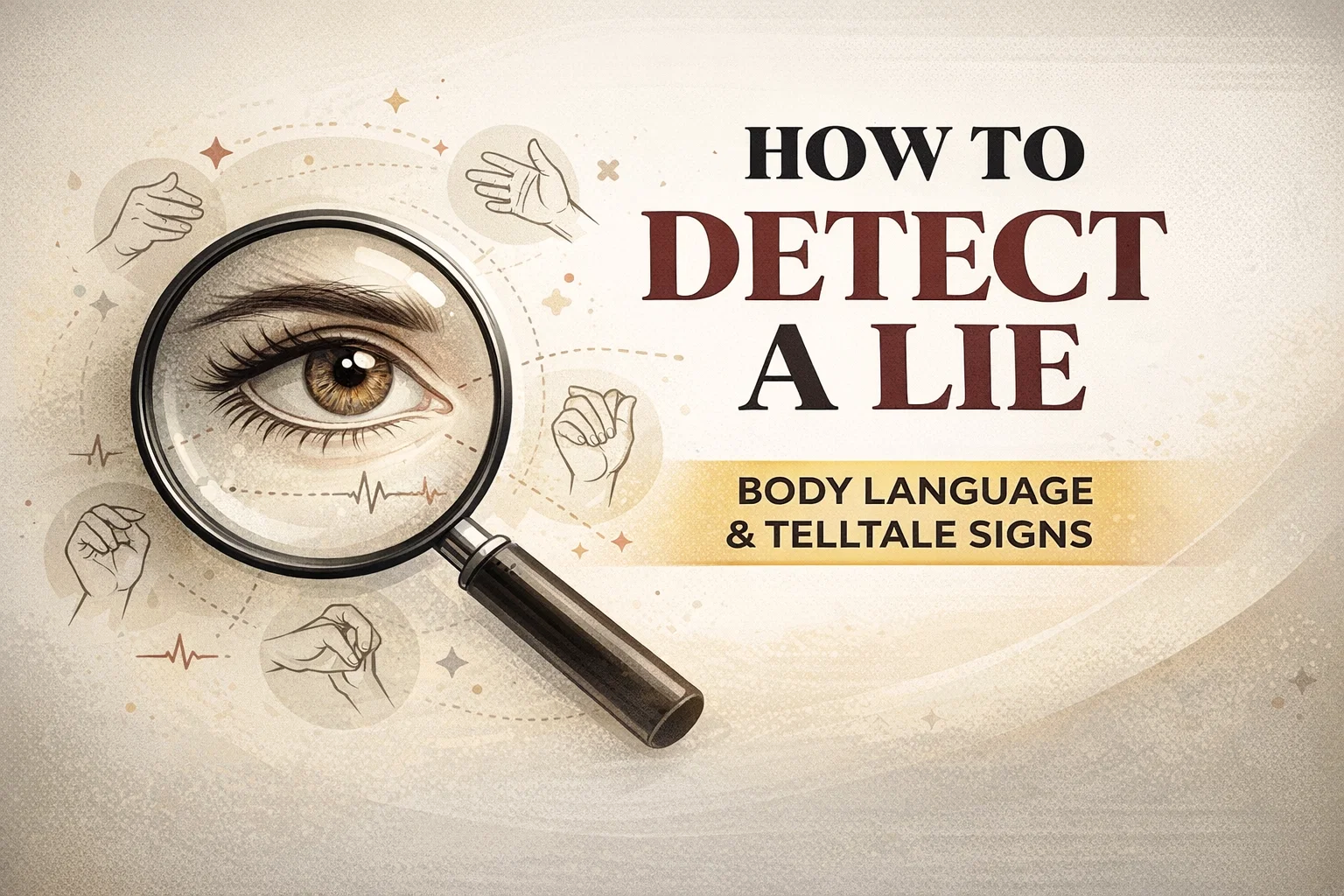
How To Detect A Lie 5 Steps To Read Body Language And Spot Deception Infographic Poster
Have you ever sat across from someone and felt a nagging sensation that their words did not quite match the story their body was telling? It is a universal human experience. Whether it is a high stakes business negotiation, a first date, or a simple conversation with a friend, the ability to decode silent signals is like having a superpower. Understanding the mechanics of deception is not about being cynical; it is about enhancing your emotional intelligence and building a foundation of radical honesty in your interactions. By learning to observe the subtle shifts in hand gestures, eye patterns, and vocal tones, you can navigate the complexities of human behavior with newfound confidence. Let us dive deep into the fascinating world of non-verbal communication and discover how to read between the lines.
The Foundation of Body Language Analysis
Before we can accurately identify a lie, we must understand that body language is a complex language of its own. It is driven by the limbic system, the part of our brain that reacts instinctively to stress and emotion. When a person tells a lie, they often experience a microscopic “fight or flight” response. This internal conflict manifests externally in ways that are difficult to consciously control. To be an effective observer, you must first establish a baseline for the person you are speaking with. How do they normally move their hands? What is their natural speaking pace? Once you know the “normal,” the deviations become your most valuable clues.
The Role of Adrenaline and Physical Responses
Deception is often a stressful act for the brain. This stress triggers a rush of adrenaline through the body, which leads to very specific physical reactions. For example, increased blood flow to the capillaries in the nose can cause a tingling or itching sensation, leading a person to touch their nose more frequently. Similarly, the mouth may become dry, or the throat may feel tight, resulting in more frequent swallowing or clearing of the throat. These are not just random habits; they are the body’s natural chemical reactions to the internal pressure of maintaining a false narrative.
Step 1: Decoding Hand Gestures and Micro-Movements
Hands are incredibly expressive and are often the first place where internal discomfort leaks out. When people feel confident and honest, their hand movements tend to be fluid and expansive. However, when deception enters the frame, the hands often become restricted or “hidden.”
- Hands in Pockets: This can be a subconscious attempt to hide something or a sign of withdrawal and discomfort. It suggests the person is not being fully transparent with their emotions or information.
- Palm Display: Conversely, showing open palms is a historical sign of peace and honesty. If someone is suddenly hiding their palms or clenching their fists, it may indicate they are withholding the truth or feeling defensive.
- The Fidget Factor: Clenching hands tightly or wringing them together is a classic “pacifying” behavior. This is the body trying to soothe itself in the face of the anxiety caused by lying.
Step 2: The Windows to the Soul: Eye Movements
While the old advice to “look someone in the eye” is well known, professional liars often overcompensate by maintaining too much eye contact to seem sincere. The real clues lie in the direction the eyes move when a person is accessing different parts of their brain. This is often referred to in psychology as eye accessing cues.
Visual and Auditory Construction
When a person looks up and to their right (from your perspective, looking at them), they are often “visually constructing” or imagining an image. If you ask a question about a past event and they look toward this construction zone instead of the “remembering” zone, it could suggest they are creating a scene rather than recalling one. Similarly, horizontal movement can indicate whether they are remembering a sound or constructing a new auditory lie. While not an absolute science, these shifts offer significant insights into whether a person is digging into memory or active imagination.
The “Staring” Trap
Be wary of the deliberate, unblinking stare. A person who is trying to appear extra honest will often force themselves to maintain intense eye contact. This is a conscious effort to override the natural instinct to look away when feeling guilty or pressured. If the eye contact feels “performative” rather than natural, it is a red flag worth noting.
Step 3: Facial Touching and Defensive Postures
The face is the most scrutinized part of the body during a conversation, which is why many liars subconsciously try to cover it. If you notice someone frequently bringing their hands toward their face, pay close attention to the timing of those movements.
- Covering the Mouth: This is a symbolic gesture where the brain subconsciously instructs the hand to suppress the deceitful words being spoken. It might manifest as a light touch on the lips or a hand placed over the mouth while listening.
- Touching the Nose and Chin: As mentioned earlier, the “Pinocchio effect” is real. The rush of blood to the nose can cause itching. Rubbing the chin or the side of the face can also be a way to create a physical barrier between the liar and the person they are deceiving.
- The Jaw and Lips: A tense jaw or pursed, thin lips often indicate that a person is experiencing distress or is holding something back. If the lips seem to “disappear,” it is a strong sign of repressed emotion or concealment.
Step 4: Listening for Vocal Shifts and Verbal Slips
The ears are just as important as the eyes when it comes to detecting a lie. The vocal cords are muscles, and like any other muscle, they react to stress. Changes in pitch, speed, and sentence structure are excellent indicators of mental load.
Pitch and Quavering Tones
When someone is nervous, the muscles in the throat tighten, which naturally raises the pitch of the voice. A higher-than-normal pitch or a slight quaver in the tone can signal that the speaker is under significant pressure. If their voice sounds thin or strained, they might be struggling to keep their story straight.
Stalling Tactics and Information Overload
Liars often use specific verbal strategies to buy themselves time to think. This includes repeating the question back to you, stuttering over simple words, or using “fillers” like “um” and “uh” excessively. Interestingly, some liars will provide way too much detail. They hope that by burying you in a mountain of unnecessary facts, the central lie will seem more believable. On the flip side, they might become defensive and go on the offensive, answering a question with a question or attacking your credibility to deflect the focus from themselves.
Step 5: Assessing the Full Picture: Overall Body Language
No single gesture proves a lie. The secret to professional detection is looking for “clusters.” You want to see if multiple indicators are happening at the same time. If someone is sweating, crossing their arms, and looking away simultaneously, the likelihood of deception increases significantly.
Closed vs. Open Posture
A person telling the truth is usually physically “open.” Their arms are at their sides, they face you directly, and their movements are relaxed. A liar often feels the need to protect themselves. This leads to crossed arms, which acts as a physical shield, or “edging” away from the conversation. You might also notice them rubbing the back of their neck or adjusting their collar, which are classic signs of trying to release built-up tension.
Physiological Leaks
Some things are almost impossible to fake. Sweating, trembling hands, or a visible flushing of the skin are all signs that the autonomic nervous system is in overdrive. If you see someone gulping heavily or clearing their throat repeatedly, they are likely dealing with the “dry mouth” effect caused by the anxiety of the situation. These physiological leaks are the most honest parts of a dishonest interaction.
The Ethics of Lie Detection
It is important to remember that these signs are indicators of stress, not definitive proof of guilt. A person might be nervous because they are shy, because the topic is sensitive, or because they feel intimidated by the situation. Always use these tools with empathy and context. The goal of learning how to detect a lie is not to become a human polygraph machine that points fingers, but to become a better communicator who understands the nuances of human emotion.
Building Honest Connections
When you become aware of these signals, you can use them to steer conversations toward the truth. Instead of accusing someone, you might say, “I sense you are a bit uncomfortable with this topic, do you want to talk more about it?” This approach uses your knowledge to build bridges rather than walls. Authentic communication relies on the alignment of words and actions, and being able to read body language helps you ensure that your own message is being received as intended.
Conclusion: Integrating Your New Skills
Mastering the art of reading body language takes practice and patience. Start by observing people in low stakes environments—watch interviews, observe people in coffee shops, or pay closer attention during your next meeting. Look for the clusters of hand gestures, eye movements, facial touches, and vocal shifts we have discussed today. Over time, you will find that you no longer just hear what people say; you understand what they are truly feeling.
Remember that the most important part of any interaction is the relationship itself. Use these insights to foster transparency and trust. When you can read the room and understand the silent signals being sent, you unlock a deeper level of human connection that goes far beyond words. So, keep your eyes open, your ears tuned, and your heart receptive. The truth is always right there in front of you, waiting to be seen.
Would you like to learn more about specific psychological triggers? Save this guide for later and keep practicing your observation skills!