Cabin Core Aesthetic Why You Need a Secluded Homestead for Mental Peace
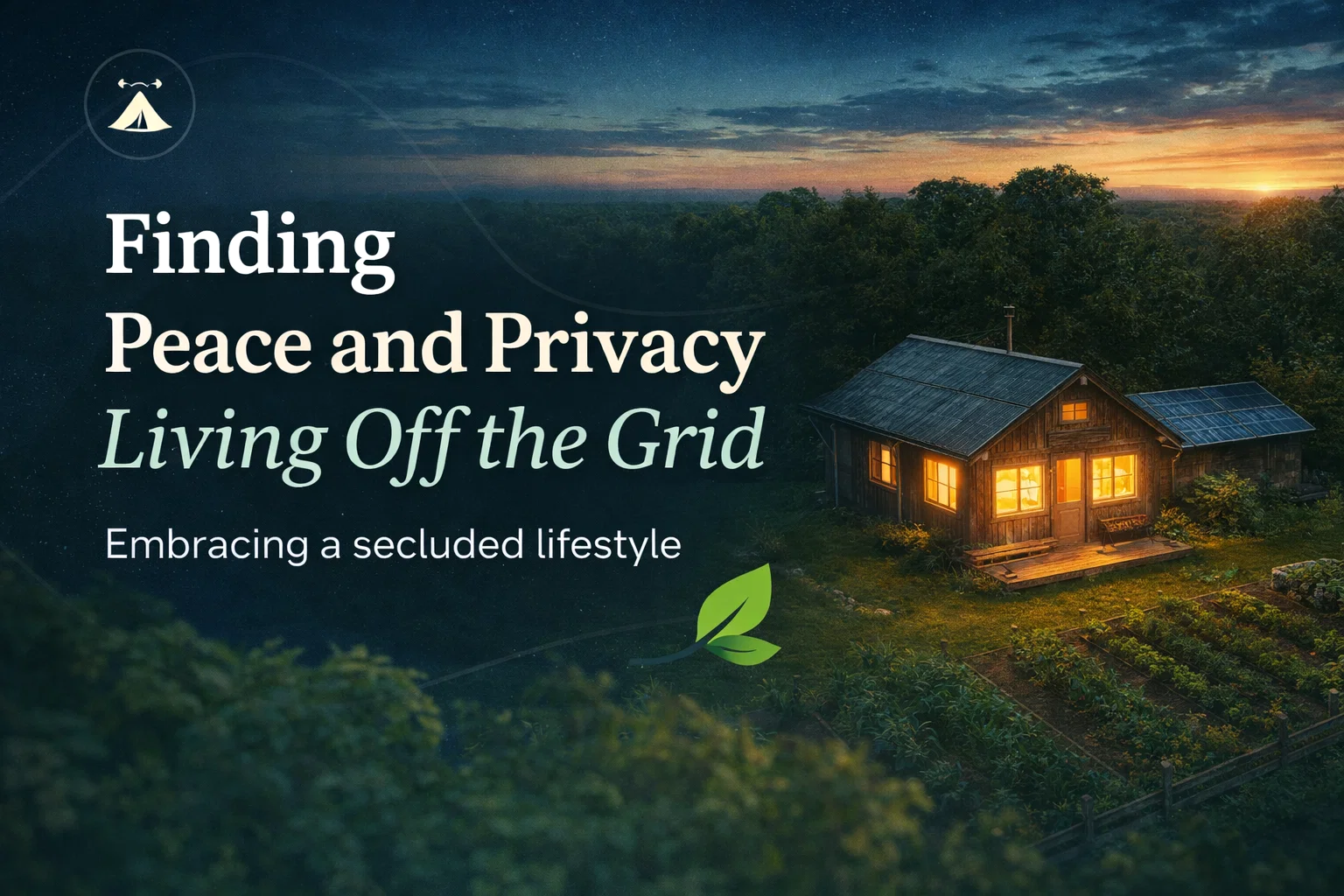
There is a profound, almost primal pull toward the idea of a quiet life tucked away from the relentless pace of the modern world. When you look at a secluded cabin surrounded by a flourishing garden and golden fields, it is more than just a pretty picture. It represents a fundamental shift in priority from doing more to being more. This vision of a private sanctuary is not just about a physical structure; it is about reclaiming your time, your peace of mind, and your connection to the earth. In an era where we are constantly reachable and perpetually busy, the desire for a hidden retreat is a natural response to a world that feels increasingly loud.
The Architecture of Solitude
Creating a space for privacy and peace starts with the environment itself. A small, well-crafted wooden cabin serves as the perfect anchor for a simpler life. Unlike the sprawling mansions that often prioritize status over comfort, a compact dwelling forces a focus on what is truly essential. It is about high quality materials, warm lighting, and a layout that invites the outdoors in. When your home is surrounded by nature rather than neighbors, your perspective shifts. You begin to notice the changing colors of the sky, the sound of the wind through the trees, and the quiet rhythm of the seasons.
Designing for Comfort and Function
A successful retreat balances the ruggedness of nature with the comforts of home. Large windows are a must, acting as frames for the living landscape outside. During the day, they flood the space with natural light, and at night, the glow from within makes the cabin look like a beacon of warmth. The goal is to create a seamless transition between your indoor living area and the natural world. Choosing natural wood finishes and soft, ambient lighting helps maintain that cozy atmosphere that makes a house feel like a true sanctuary.
The Joy of a Productive Garden
One of the most rewarding aspects of a secluded lifestyle is the ability to grow your own food. A backyard garden is more than a hobby; it is a step toward self-sufficiency and a deeper appreciation for the food on your plate. There is a unique kind of satisfaction that comes from stepping outside and harvesting fresh vegetables for dinner. It grounds you in the present moment and teaches patience, as you work in harmony with the weather and the soil. A well organized garden with raised beds and clear paths makes the process of cultivation a joy rather than a chore.
Essential Crops for the Home Gardener
- Leafy Greens: Lettuce, kale, and spinach are relatively easy to grow and provide a constant supply of fresh nutrients.
- Root Vegetables: Carrots, potatoes, and beets thrive in well-tended soil and can be stored for long periods.
- Hardy Cabbages: These are excellent for cooler climates and add a beautiful structural element to your garden rows.
- Fragrant Herbs: Planting lavender, rosemary, and mint near your door ensures that every breeze carries a pleasant scent into your home.
Embracing the Slow Living Philosophy
Slow living is a conscious choice to drop out of the rat race and focus on the things that actually matter. It is about savoring a cup of coffee on the porch while the morning mist still clings to the fields. It is about the luxury of silence. When you live in a place designed for privacy, you are no longer reacting to the demands of others. You have the space to think, to create, and to rest. This lifestyle encourages mindfulness in every action, whether you are tending to your plants or simply watching the birds. It is a powerful antidote to the burnout and anxiety that often accompany a high-speed, urban existence.
The Benefits of Disconnecting
Digital detoxing happens naturally when you are surrounded by the beauty of the outdoors. Instead of scrolling through a feed, you find yourself drawn to the movement of a hammock or the ripple of water in a garden pond. This break from constant stimulation allows your nervous system to reset. You might find that your creativity flourishes or that your sleep becomes deeper and more restorative. Privacy provides the ultimate freedom: the freedom to be yourself without any audience.
Creating Your Own Outdoor Oasis
You do not need hundreds of acres to create a sense of retreat. Even a small backyard can be transformed into a private haven with the right elements. Incorporating water features, such as a small stone pond, adds a soothing auditory component to your space. The sound of water is naturally calming and can mask distant noises from the outside world. Adding comfortable seating areas, like a hammock or a wooden deck, encourages you to spend more time outdoors, soaking up the fresh air and sunshine.
Privacy Through Landscaping
Fencing and natural borders are essential for creating a “walled garden” feel. A rustic wooden fence draped in greenery provides a clear boundary while maintaining a natural aesthetic. Planting tall shrubs or trees along the perimeter can act as a living screen, blocking out the world and making your garden feel like a secret room. This sense of enclosure is what makes a space feel safe and truly private, allowing you to relax completely within your own borders.
Sustainable Living and Self-Reliance
A life centered around a cabin and a garden often leads to a more sustainable way of living. When you are closer to nature, you become more aware of your impact on the environment. You might find yourself naturally moving toward composting, rainwater harvesting, or using solar energy. These practices not only save money but also provide a sense of empowerment. Knowing that you can provide for some of your own needs creates a level of security that is hard to find in a purely consumer-driven society.
The Mental Health Connection
Studies have consistently shown that spending time in green spaces reduces stress and improves mood. The combination of physical activity in the garden and the psychological benefits of a quiet environment is a potent recipe for wellness. For many, this type of lifestyle is not just a dream but a necessity for maintaining mental balance. The “Need” mentioned by so many people is a cry for a life that feels more human-centric and less machine-driven. Nature has a way of putting our problems into perspective, reminding us of the cycles of life that continue regardless of our daily stresses.
Finding Beauty in the Everyday
In a secluded home, the mundane becomes magical. The way the light hits a field of grain at sunset or the steam rising from a chimney on a cold morning are moments to be cherished. This lifestyle teaches you to find beauty in simplicity. You start to appreciate the texture of wood, the smell of rain on dry earth, and the taste of a sun-warmed tomato. It is a life rich in sensory experiences that are often overlooked in the rush of modern life. When you strip away the distractions, you are left with the raw, beautiful reality of the world around you.
Practical Steps Toward Your Dream Retreat
While moving to a remote cabin might not be an immediate option for everyone, you can begin to integrate these elements into your current life. Start by dedicating a small patch of dirt to a garden, or even just some pots on a balcony. Create a “no-phone” zone in your home where you can sit in silence. Look for ways to simplify your schedule and prioritize quiet time. Building the life you need is a journey that starts with a single step toward intentionality and peace.
Conclusion
The longing for a private cabin and a productive garden is a reflection of a deeper desire for harmony and autonomy. It is a call to return to a way of living that honors our need for rest, our connection to the earth, and our right to privacy. Whether it is a full-time homestead or a mental escape you visit in your dreams, the essence of this lifestyle is about finding peace within yourself. By focusing on what is essential and nurturing the space around us, we can create a sanctuary that supports both our physical needs and our spiritual well-being. The quiet life is not about doing nothing; it is about doing the things that truly matter in a place that feels like home.