Mental Health Tips Gentle Self-Care Ideas Daily Habits for Difficult Days
Life can sometimes feel like an uphill battle. We all experience those heavy, overwhelming days where even the simplest tasks feel like climbing a mountain. Whether you are navigating a period of high stress, dealing with burnout, or simply woke up on the wrong side of the bed, it is vital to remember that your worth is not measured by your productivity. Finding small, manageable ways to keep moving forward is not just a survival strategy; it is an act of profound self-love. When the world feels too loud or too demanding, turning inward and embracing a gentler pace can make all the difference in your mental well-being.
Embracing the Power of Gentle Productivity
The modern world often demands that we be constantly on the move, always achieving and always “on.” However, on difficult days, this mindset can be incredibly damaging. Instead of pushing yourself to meet your usual standards, try embracing the concept of gentle productivity. This means acknowledging your current capacity and adjusting your expectations accordingly. It is about doing what you can, even if that is very little, and recognizing that those small efforts are enough.
The Magic of Celebrating Small Wins
On a tough day, finishing a massive project might be out of the question, but making your bed or drinking a glass of water is a victory. We often overlook these tiny accomplishments, but they are the building blocks of resilience. When you acknowledge a small win, you provide your brain with a much-needed boost of dopamine. This positive reinforcement can help shift your perspective from what you cannot do to what you have already achieved. Consider keeping a small checklist of very basic tasks, like brushing your teeth or opening a window, and give yourself a metaphorical gold star for each one.
Taking it One Minute at a Time
When you look at the entire day ahead, it can feel paralyzing. The secret to getting through a difficult patch is to shrink your focus. Do not worry about what you have to do three hours from now. Instead, focus entirely on the next ten minutes. By breaking time into bite-sized pieces, the pressure begins to lift. You are not trying to survive a whole day; you are just trying to get through this single moment. This mindful approach keeps you grounded and prevents the anxiety of the future from taking over your present.
Creating a Sanctuary of Comfort and Calm
Your environment plays a massive role in how you feel. When things feel chaotic internally, creating a sense of external order and comfort can provide a much-needed anchor. You do not need a complete home renovation to find peace; sometimes, it is as simple as lighting a candle or putting on your favorite pair of cozy socks. Soft textures, warm beverages, and gentle lighting can signal to your nervous system that you are safe and it is okay to relax.
Finding Comfort in Routine
While spontaneity is great on good days, routine is your best friend on bad ones. Having a predictable sequence of events can be incredibly grounding. There is a quiet comfort in the familiarity of a morning cup of tea or the rhythm of a skincare routine. These habits require very little mental energy and provide a sense of stability when everything else feels uncertain. If you find yourself spiraling, lean back into these familiar patterns. They act as a safety net, catching you when you feel like you are falling.
The Healing Nature of Rest
We live in a culture that often views rest as a reward for hard work. In reality, rest is a fundamental human requirement. If your body and mind are screaming for a break, listen to them. Taking a nap, lying down in a dark room, or simply sitting quietly for fifteen minutes is not “giving up.” It is a necessary part of the healing process. Allow yourself the grace to do nothing without the weight of guilt. Sometimes, the most productive thing you can do is recharge your batteries so you can face tomorrow with a little more strength.
The Importance of Connection and Expression
Isolation can often amplify the weight of a difficult day. While you might feel like withdrawing into a shell, reaching out can be a powerful antidote to sadness or stress. Human connection reminds us that we are not alone in our struggles. At the same time, finding ways to express what you are feeling can help move that energy out of your body and mind, making it feel less heavy.
Talk to a Trusted Friend
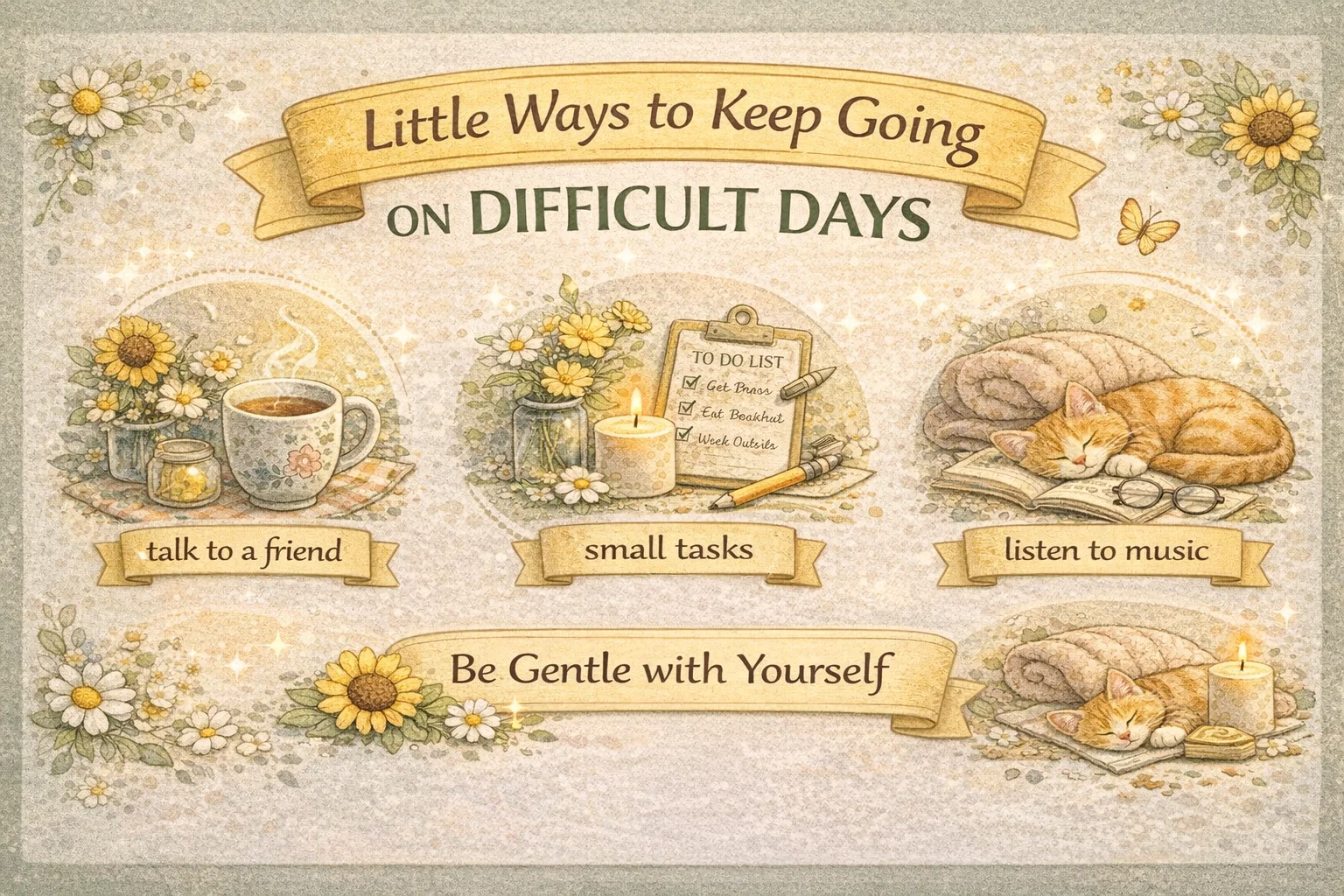
You do not have to have a deep, philosophical conversation to feel better. Sometimes, just hearing a friendly voice or sharing a silly joke can break the cycle of negative thoughts. If you are comfortable, tell a friend that you are having a rough day. You do not even need them to solve your problems; just being heard and validated can be enough to lift a significant portion of the emotional load. True friends are there for the messy parts of life, not just the highlights.
Using Music as a Mood Lifter
Music has a unique ability to bypass our logical minds and speak directly to our emotions. Whether you need a soothing acoustic playlist to calm your nerves or an upbeat anthem to give you a spark of energy, use sound as a tool for transformation. Create a “difficult day” playlist in advance so you do not have to think about it when you are feeling low. Let the melodies carry you through the moments when words feel like too much effort.
Nurturing Your Mind with Kindness
The way we speak to ourselves matters immensely. Most of us are far harder on ourselves than we would ever be to a friend. On difficult days, your inner critic tends to get louder, pointing out all the things you are doing “wrong.” Combatting this requires a conscious effort to practice self-compassion and gentle encouragement.
Offer Yourself Radical Kindness
Kindness is not just about how you treat others; it is about how you treat yourself. If you are struggling, treat yourself with the same tenderness you would show a small child or a beloved pet. Speak to yourself with soft words. Instead of saying “I should be doing more,” try saying “I am doing the best I can right now, and that is enough.” This shift in internal dialogue can lower your cortisol levels and help you feel more at peace with your current state.
The Art of Encouraging Yourself
Sometimes you have to be your own cheerleader. Surround yourself with positive affirmations or small notes of encouragement. Whether it is a sticky note on your mirror that says “You can do this” or a digital reminder on your phone that says “Keep trying,” these small visual cues can help shift your mindset. It might feel silly at first, but repeatedly hearing or seeing positive messages can eventually rewrite the negative scripts in your head. You deserve to be supported, especially by yourself.
Practical Steps for Navigating the Fog
When you are in the middle of a difficult day, even deciding what to do next can feel exhausting. Having a pre-set list of low-energy activities can take the guesswork out of self-care. Here are a few practical suggestions to help you navigate the fog:
- Hydrate: It sounds basic, but dehydration can worsen fatigue and headaches. A glass of cold water can be surprisingly refreshing.
- Step Outside: If you can, just stand on your porch or open a window. Fresh air and a change of scenery can reset your senses.
- Journaling: If your thoughts are swirling, try writing them down. Getting them on paper makes them feel more manageable and less like a chaotic storm inside your head.
- Gentle Movement: You do not need a workout. A few simple stretches or a slow walk around the room can help release physical tension.
Managing Your To-Do List
On tough days, your standard to-do list is your enemy. Create a “survival list” instead. What are the absolute essentials? Maybe it is just feeding yourself and making sure the pets are okay. Anything beyond that is a bonus. By narrowing your focus to the bare essentials, you remove the crushing weight of “everything else” and give yourself permission to let go of non-urgent tasks. The world will not end if the laundry waits another day.
Giving Yourself Grace
Grace is the opposite of perfectionism. It is the understanding that you are human and humans have limits. Some days you will be a powerhouse of productivity, and other days you will barely manage to get out of bed. Both days are valid. Giving yourself grace means accepting your fluctuations without judgment. It is okay to be tired. It is okay to be sad. It is okay to not have it all figured out today. Tomorrow is a new opportunity, but for now, your only job is to be kind to yourself.
The Long-Term Benefit of Self-Compassion
Learning how to handle difficult days with gentleness is a skill that will serve you for the rest of your life. When you stop fighting your emotions and start working with them, you build emotional resilience. You learn that you can survive the hard moments without breaking. This doesn’t mean the hard days go away, but it means you are better equipped to navigate them. You become your own safe harbor in the middle of the storm.
Consistency in self-care is not about doing a lot; it is about doing a little, often. By prioritizing these small acts of kindness, you are telling yourself that you are worthy of care regardless of your circumstances. Over time, this builds a foundation of self-trust that can withstand almost anything life throws your way.
Final Thoughts on Keeping Going
Above all else, remember to be gentle with yourself. You are navigating a complex world with a complex mind, and that is not always easy. If today was hard, give yourself credit for simply making it through. There is no right or wrong way to feel, and there is no perfect way to “self-care.” The best thing you can do is listen to what you need in this very moment and honor that need without apology.
Take things one step at a time, celebrate your small victories, and never forget that you are doing your best. Whether it is a warm cup of tea, a conversation with a friend, or a quiet nap, these little ways to keep going are the threads that weave together a life of resilience and peace. You have survived every difficult day so far, and you will get through this one too. Be kind, be patient, and keep going at your own pace.