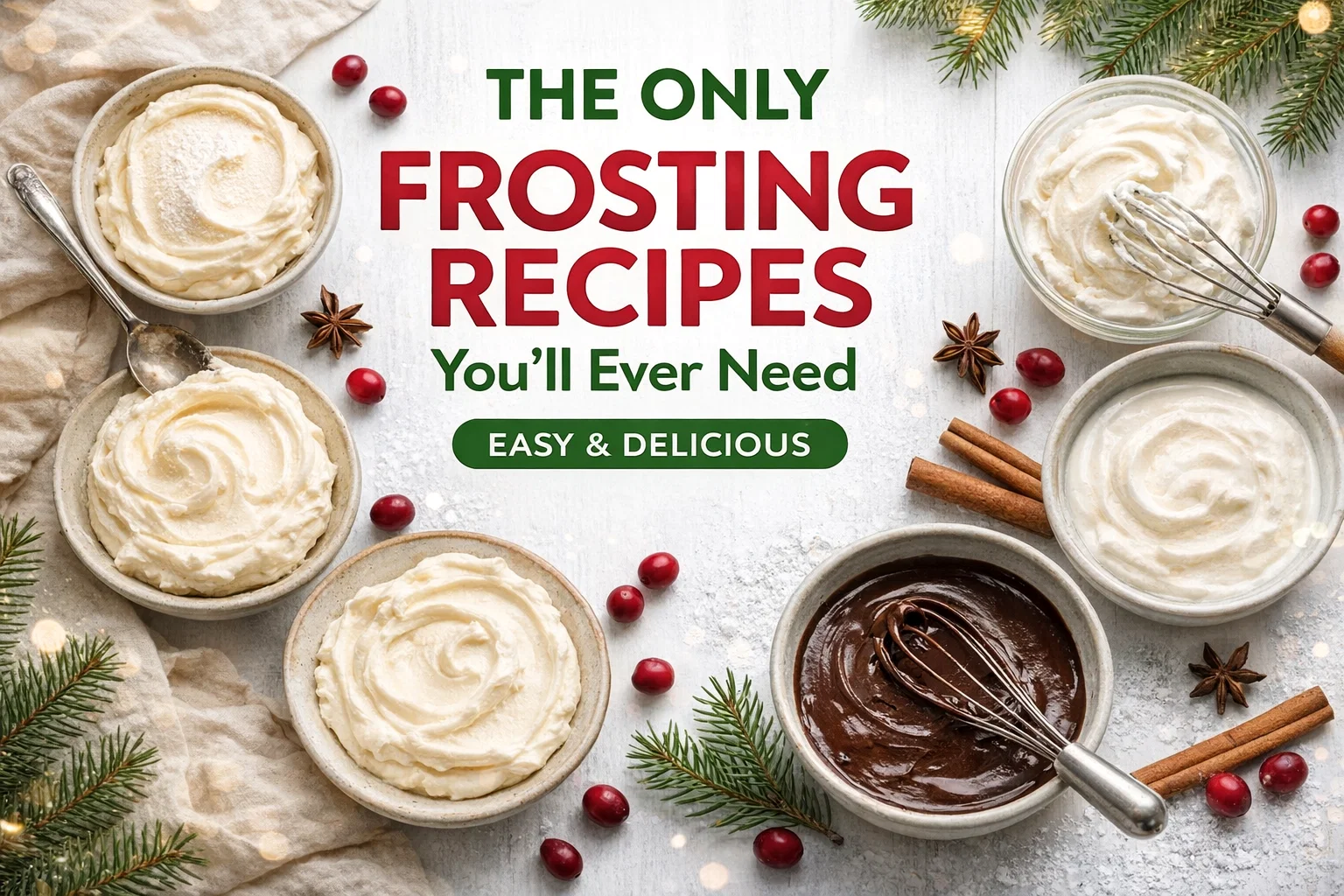
7 Best Easy Frosting Recipes for Cakes and Cookies Homemade Buttercream Glaze Guide
Mastering the art of the perfect finish is what separates a good baker from a great one. Whether you are whipping up a batch of birthday cupcakes or preparing a multi-tiered holiday cake, the frosting is the crowning glory that ties every flavor together. Many home bakers feel intimidated by the idea of making frosting from scratch, often reaching for the store-bought tub out of convenience. However, the difference in texture, flavor, and quality is incomparable when you use fresh ingredients and simple techniques.
In this comprehensive guide, we are breaking down the essential frosting recipes that every baker should have in their repertoire. From the rich, velvety layers of a classic buttercream to the light, airy peaks of whipped cream, these recipes are designed to be foolproof, delicious, and highly versatile. Let us dive into the sweet world of sugar, butter, and cream to elevate your dessert game to the next level.
The Foundations of Great Frosting
Before we pick up the whisk, it is important to understand what makes a frosting successful. The goal is always a balance between structure and flavor. You want a topping that is sturdy enough to hold its shape on a warm cake but soft enough to melt in your mouth. Most of these recipes rely on a few high-quality staples: unsalted butter, powdered sugar, heavy cream, and pure vanilla extract.
Temperature Matters
One of the biggest secrets to a smooth frosting is the temperature of your ingredients. For buttercream and cream cheese varieties, your fats must be at room temperature. If the butter is too cold, you will end up with unappealing lumps that no amount of beating can fix. Conversely, if it is too warm or melted, the frosting will be greasy and fail to hold air. Aim for butter that yields slightly when pressed with a finger but still holds its shape.
Sifting for Success
Even though it adds an extra step, sifting your powdered sugar is non-negotiable for a professional finish. Powdered sugar is notorious for clumping in the bag. By sifting it directly into your mixing bowl, you ensure a silky-smooth texture that pipes beautifully through even the smallest decorating tips.
1. Classic American Buttercream Frosting
This is the gold standard for birthday cakes and sugar cookies. American buttercream is beloved for its crusting ability, which means the outer layer sets slightly, making it excellent for intricate pipework and transport. It is incredibly sweet, nostalgic, and simple to make.
To create this classic, you will need 1 cup of unsalted butter and 3 cups of powdered sugar. Start by beating the butter until it is pale and creamy. Gradually add the sugar, mixing on low to avoid a sugar cloud, then increasing the speed. Finish it off with 2 tablespoons of milk or cream and a teaspoon of vanilla. Beat the mixture for at least three to five minutes to incorporate as much air as possible for a light, fluffy result.
2. Rich Cream Cheese Frosting
There is nothing quite like the tangy, smooth contrast of cream cheese frosting on a warm carrot cake or a decadent red velvet cupcake. Because of the moisture content in cream cheese, this frosting is softer than traditional buttercream and requires a bit more care to keep it stable.
The trick is to use full-fat brick cream cheese rather than the spreadable kind from a tub. Beat 1/2 cup of butter with 8 ounces of cream cheese until perfectly smooth. Add 2.5 cups of powdered sugar and a teaspoon of vanilla. If you find the mixture is too soft, refrigerate it for thirty minutes before piping to help it firm up. It provides a sophisticated flavor profile that balances out very sweet cake bases.
3. Decadent Chocolate Buttercream
For the true chocoholics, a standard vanilla frosting just will not do. Chocolate buttercream adds a layer of cocoa intensity that transforms a simple yellow cake into a gourmet treat. The key here is using a high-quality Dutch-processed cocoa powder for a deep, dark color and a smooth finish.
Follow the basic buttercream ratio but add 1/2 cup of cocoa powder to the mix. To ensure the cocoa is fully integrated and not grainy, you can whisk it with the powdered sugar before adding it to the butter. If the frosting feels too thick, an extra splash of heavy cream will give it that spreadable, fudge-like consistency that everyone loves.
4. Whipped Cream Frosting: Light and Airy
If you prefer a dessert that is not overly sweet, whipped cream frosting is your best friend. It is significantly lighter than buttercream and works beautifully with fruit-based desserts or sponge cakes. Since standard whipped cream can deflate quickly, this recipe focuses on a stabilized version that holds its shape for hours.
Whip 1 cup of very cold heavy cream with 3 tablespoons of powdered sugar and 1/2 teaspoon of vanilla. The cold temperature is vital; even chilling your bowl and whisk can help. Beat until stiff peaks form. Stiff peaks mean that when you lift the whisk, the cream stands straight up without drooping. This frosting should be used immediately and kept refrigerated.
5. Royal Icing for Detailed Decorating
When it comes to sugar cookies, royal icing is the undisputed king. It dries to a hard, matte finish, allowing you to stack cookies without ruining the design. It is also the best “glue” for gingerbread houses. Unlike the other frostings on this list, royal icing does not contain fat, which is why it hardens so effectively.
Combine 2 cups of powdered sugar with 1.5 tablespoons of meringue powder. Slowly add 3 to 4 tablespoons of water or lemon juice. The consistency is everything here. For “flooding” a cookie, you want it thin enough to flow, but for “piping” borders, you want it thick like toothpaste. Adjust the water drop by drop until you reach your desired flow.
6. Luxurious Chocolate Ganache
Ganache is the height of chocolate elegance. It can be used as a pourable glaze, a whipped filling, or a firm truffle-like coating. It consists of just two ingredients: heavy cream and high-quality chocolate. The ratio determines the final use, but a 1:1 ratio is the most common for frosting cakes.
Heat 1 cup of heavy cream until it just begins to simmer, then pour it over 1.5 cups of chopped chocolate. Let it sit undisturbed for two minutes to allow the chocolate to melt, then stir gently from the center outward until glossy. As it cools, it will thicken. You can pour it over a cake for a mirror-like finish or let it cool completely and whip it with a mixer for a mousse-like frosting.
7. Simple Vanilla Glaze
Sometimes, a heavy frosting is too much. For bundt cakes, scones, or donuts, a simple glaze adds just the right amount of sweetness and a beautiful shine. It is the fastest recipe to pull together and requires no heavy equipment.
Mix 1 cup of powdered sugar with 2 to 3 tablespoons of milk and a dash of vanilla. You want the glaze to be thick enough to opaque but thin enough to drizzle off a spoon in a steady stream. Drizzle it over your baked goods while they are slightly warm if you want it to soak in, or wait until they are cool for a defined, white stripe.
Customizing Your Flavors
Once you have mastered these seven bases, the possibilities are endless. You can easily adapt these recipes to suit any theme. Consider these quick variations:
- Citrus Twist: Replace the milk in the glaze or buttercream with fresh lemon or orange juice and add a teaspoon of zest.
- Berry Infusion: Fold in a tablespoon of seedless raspberry jam or freeze-dried strawberry powder for a natural pink tint and fruity flavor.
- Coffee Kick: Dissolve a teaspoon of espresso powder into the vanilla extract before adding it to the chocolate buttercream.
- Spiced Delight: Add cinnamon and a pinch of nutmeg to the cream cheese frosting for a warm, autumnal vibe.
Common Frosting Problems and How to Fix Them
Even the most experienced bakers run into trouble occasionally. If your frosting is not looking quite right, do not panic. Most issues are easily corrected with a few simple adjustments.
Too Runny or Soft
If your frosting is sliding off the cake, it is likely too warm or has too much liquid. Try adding more powdered sugar, a quarter cup at a time, to stiffen it up. If heat is the culprit, pop the entire mixing bowl into the fridge for fifteen minutes and then beat it again. This is especially common with cream cheese and whipped cream frostings.
Too Thick or Stiff
If your buttercream is tearing the surface of your cake as you spread it, it is too stiff. Add more liquid, such as milk or heavy cream, one teaspoon at a time. Mix thoroughly after each addition until the frosting reaches a spreadable, creamy consistency.
Air Bubbles
If you want that perfectly smooth, “mural-like” finish on the side of a cake, air bubbles are your enemy. This often happens from over-beating on high speed. To fix this, use a rubber spatula to hand-mix the frosting vigorously against the side of the bowl for a minute. This “mashes” the air bubbles out and results in a denser, smoother texture.
Grainy Texture
Grainy frosting usually happens when the powdered sugar was not sifted or the butter was not beaten enough before adding the sugar. To prevent this, always sift. If it is already grainy, you can try adding a tiny bit more liquid and beating it for a longer duration on medium speed to help the sugar crystals dissolve into the fat.
Conclusion: Elevate Your Baking Today
Great frosting is more than just a sugary coating; it is the final touch that brings joy to every bite. By keeping these seven essential recipes in your kitchen toolkit, you are prepared for any baking occasion that comes your way. Whether you are crafting a detailed masterpiece with royal icing or drizzling a simple glaze over a weekend loaf cake, the quality of your homemade frosting will always shine through.
Remember that baking is as much about the process as it is about the result. Do not be afraid to experiment with different flavors, colors, and textures. With a little practice and these reliable recipes, you will find that the only frosting recipes you will ever need are right here at your fingertips. Happy baking!