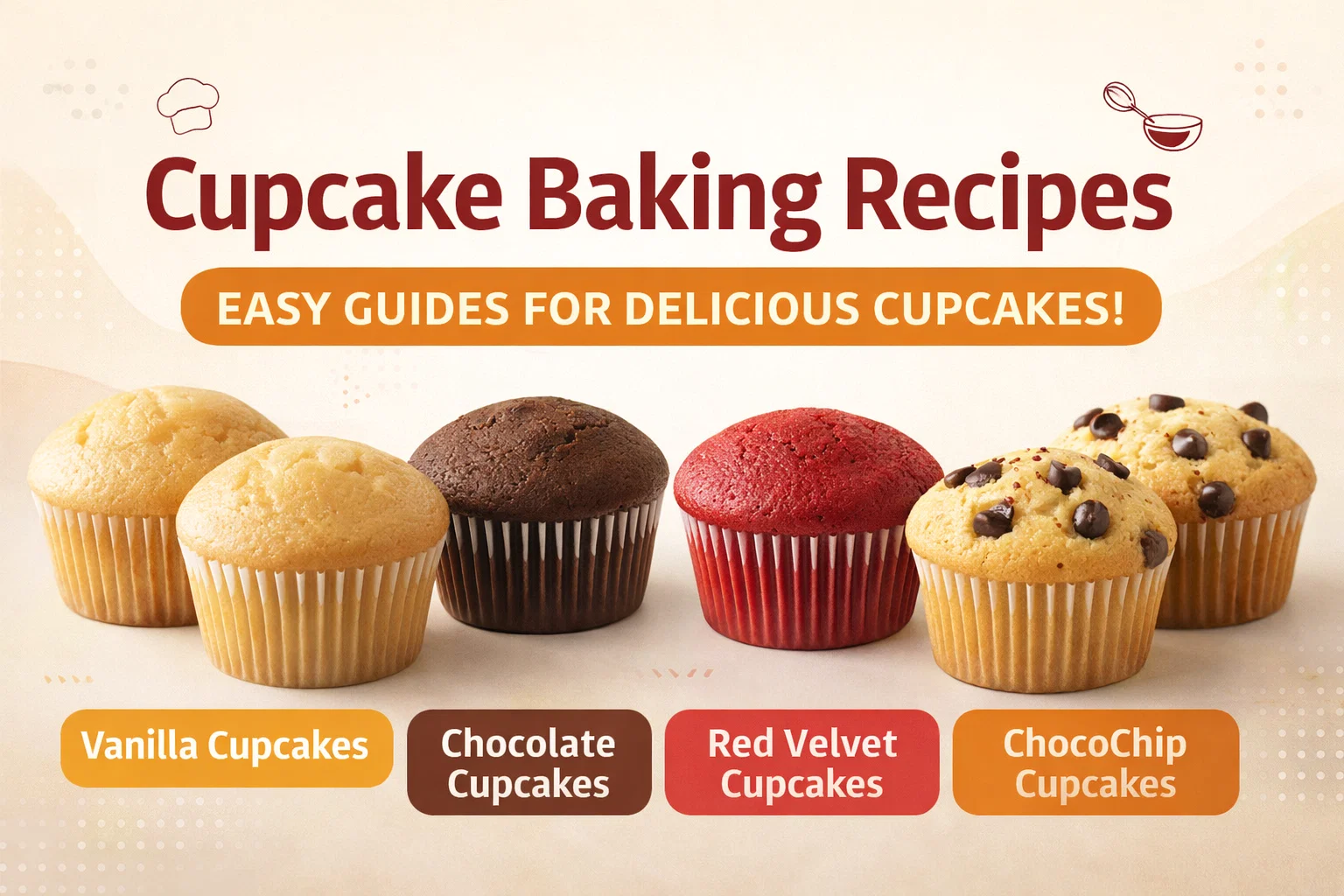
4 Easy Cupcake Recipes for Beginners Vanilla, Chocolate, Red Velvet ChocoChip Cupcakes
Baking is more than just a kitchen task; it is a form of magic where simple pantry staples transform into fluffy, sweet masterpieces. If you have ever felt intimidated by the science of baking, you are in the right place. Cupcakes are the perfect entry point for any aspiring baker because they are manageable, quick to bake, and incredibly rewarding. In this guide, we are breaking down four iconic cupcake recipes: Vanilla, Chocolate, Red Velvet, and ChocoChip. Each recipe is designed to be foolproof, ensuring that your kitchen stays stress-free and your dessert table stays crowded. Whether you are prepping for a birthday party or just want a sweet treat for a rainy afternoon, these recipes will become your new reliable favorites.
The Essential Baker’s Pantry: Getting Started
Before we dive into the specific recipes, it is important to understand the foundation of a great cupcake. Most of these recipes share a common DNA. You will notice that 1.5 cups of plain flour is the standard base for all four varieties. Using all-purpose or plain flour provides the necessary structure without making the cake too heavy. Another key is the leavening agent. Baking powder and baking soda are not interchangeable; baking powder is used for the vanilla and chocochip versions, while baking soda reacts with the acidic buttermilk in the chocolate and red velvet versions to create that signature lift.
Temperature Matters
One of the biggest secrets to a professional crumb is the temperature of your ingredients. Always try to use room temperature eggs and butter. When butter is soft, it creams better with sugar, trapping air bubbles that expand in the oven. Similarly, room temperature eggs emulsify more easily into the batter, preventing the mixture from curdling. If you forgot to take your eggs out of the fridge, simply place them in a bowl of warm water for five minutes before you begin.
Classic Vanilla Cupcakes: The Elegant Standard
The Vanilla Cupcake is the gold standard of baking. It is simple, nostalgic, and incredibly versatile. The key to a great vanilla cupcake is the quality of the extract. Since there are few ingredients to hide behind, using a pure vanilla extract makes a world of difference compared to imitation flavors.
To make these, you will start by creaming 1/2 cup of unsalted butter with 1 cup of sugar until the mixture is pale and fluffy. Add in 2 large eggs, one at a time, followed by 1 teaspoon of vanilla extract. In a separate bowl, whisk together your 1.5 cups of flour, 1.5 teaspoons of baking powder, and 1/4 teaspoon of salt. Slowly alternate adding the dry ingredients and 1/2 cup of whole milk to the butter mixture. This alternating method prevents the gluten from over-developing, which keeps your cupcakes light and airy rather than tough and bread-like.
Vanilla Cupcake Pro-Tips
- Don’t Overmix: Stop stirring as soon as the last streak of flour disappears. Overmixing leads to peaked tops and a dense texture.
- Fill Level: Only fill your cupcake liners about two-thirds full to allow room for the classic flat-top rise that is perfect for frosting.
Decadent Chocolate Cupcakes: A Chocoholic’s Dream
While vanilla is about subtlety, chocolate is about intensity. These chocolate cupcakes use a different method than the vanilla ones. You will notice the use of vegetable oil and buttermilk instead of butter and whole milk. Oil stays liquid at room temperature, which means these cupcakes will feel much moister and softer than butter-based ones, especially if you store them in the fridge.
The 1/4 cup of cocoa powder provides the deep flavor, but the real hero here is the 1 cup of buttermilk. The acidity in the buttermilk reacts with the 3/4 teaspoon of baking soda to create a massive amount of carbon dioxide, resulting in an ultra-tender, almost velvety crumb. Mix your dry ingredients first, then whisk in the wet ingredients (oil, egg, buttermilk, and vanilla). It is a much faster process since there is no creaming involved, making it a great recipe for when you are in a rush.
The Striking Red Velvet Cupcake: Cocoa and Chemistry
Red Velvet is often misunderstood as just a “red-colored chocolate cupcake,” but it is actually much more complex. Traditionally, the red color came from a chemical reaction between non-alkalized cocoa powder and vinegar. In modern baking, we use red food coloring to get that vibrant pop, but the flavor profile remains distinct. It is tangy, slightly chocolatey, and very smooth.
This recipe uses a combination of 1/2 cup butter for flavor and 1/2 cup buttermilk for texture. You also include 1 tablespoon of cocoa powder—just enough to give it a hint of earthiness without turning it brown. The addition of 1 teaspoon of white vinegar at the end is crucial. It boosts the acidity, ensuring the baking soda works perfectly and giving the cake that “velvety” mouthfeel that gives the cupcake its name.
Achieving the Perfect Red
- Gel vs. Liquid: If possible, use gel food coloring. It is more concentrated, so you get a brighter red without adding too much extra liquid to the batter.
- The Cocoa Balance: Ensure you use exactly 1 tablespoon of cocoa. Too much will muddy the red color, while too little will lose the characteristic flavor.
ChocoChip Cupcakes: The Crowd Pleaser
If you love chocolate chip cookies, this is the cupcake for you. It is essentially the vanilla cupcake recipe but boosted with extra vanilla and a generous cup of chocolate chips. The 2 teaspoons of vanilla extract provide a warm, aromatic base that complements the chocolate perfectly.
The main challenge with ChocoChip cupcakes is preventing the chips from sinking to the bottom of the liner. To avoid this, you can toss your chocolate chips in a tiny bit of flour before folding them into the batter. This light coating helps them “grip” the cake structure as it bakes. Using mini chocolate chips is also a great alternative, as they are lighter and distribute more evenly throughout the cupcake.
Texture and Toppings
Because these cupcakes have built-in texture from the chips, they are delicious even without frosting. However, a simple vanilla bean buttercream or even a chocolate ganache drizzle can take them to the next level. They are the ultimate “comfort food” cupcake.
Troubleshooting Common Baking Issues
Even with the best recipes, things can sometimes go wrong in the kitchen. Here is how to fix the most common cupcake hurdles:
Why did my cupcakes sink in the middle?
This usually happens for two reasons. Either the oven door was opened too early, causing a sudden drop in temperature, or the leavening agents (baking powder/soda) were expired. Always check the dates on your boxes! If the cupcakes sink, don’t worry—you can usually hide the indentation with a generous swirl of frosting.
My cupcakes are dry and crumbly. What happened?
Dryness is almost always caused by overbaking. Every oven is different, so start checking your cupcakes with a toothpick about 5 minutes before the recipe says they should be done. If the toothpick comes out clean or with just a few moist crumbs, take them out immediately. They will continue to cook slightly from the residual heat of the pan.
Creative Frosting and Decoration Ideas
Once your cupcakes have cooled completely, the real fun begins. A cupcake is only half-finished without its crown! For the Vanilla and ChocoChip varieties, a classic American Buttercream is the easiest choice. It consists of butter, powdered sugar, a splash of milk, and vanilla extract whipped until fluffy.
For the Chocolate cupcakes, try a rich Chocolate Ganache or a Peanut Butter frosting for a decadent combination. Red Velvet cupcakes almost demand a Cream Cheese frosting. The tanginess of the cream cheese perfectly mirrors the tang of the buttermilk and vinegar in the cake.
Easy Decorating Techniques
- The Star Tip: Use a piping bag with a star nozzle to create “roses” by starting in the center and swirling outward.
- The Simple Spread: If you don’t have piping tools, use an offset spatula or the back of a spoon to create a rustic, swirling texture.
- Toppings: Add sprinkles, extra chocolate chips, or even a single raspberry to give your cupcakes a professional, finished look.
Proper Storage for Long-Lasting Freshness
If you aren’t eating your cupcakes immediately, you need to store them correctly to keep them moist. Unfrosted cupcakes can be kept in an airtight container at room temperature for up to two days. Once frosted, especially with cream cheese frosting, they should be kept in the refrigerator.
If you want to make them far in advance, cupcakes freeze beautifully. Wrap unfrosted cupcakes individually in plastic wrap and place them in a freezer bag. They will stay fresh for up to three months. When you are ready to eat them, let them thaw at room temperature before frosting and serving.
Conclusion: Your Baking Journey Starts Here
Mastering these four basic cupcake recipes is like unlocking a superpower in the kitchen. From the simple elegance of vanilla to the complex tang of red velvet, you now have the tools to create a dessert for any occasion. Remember that baking is a skill that improves with every batch. Do not be afraid to experiment, make mistakes, and most importantly, share your creations with friends and family. There is no problem that a homemade cupcake cannot make a little bit better. So, preheat your oven, line your tins, and let the aroma of fresh baking fill your home. Happy baking!
I hope these recipes inspire you to get into the kitchen and start whisking. Whether you are a total novice or a seasoned pro, these classics never go out of style. Would you like me to generate a specific buttercream recipe to pair with one of these cupcakes?