8 Early Heart Attack Warning Signs You Should Never Ignore Silent Symptoms Guide
Understanding the warning signs of a heart attack is one of the most vital pieces of health knowledge you can possess. While Hollywood often depicts a heart attack as a sudden, dramatic collapse where someone clutches their chest and falls to the ground, the reality is frequently much more subtle. Many people experience symptoms that build slowly or manifest in unexpected parts of the body, leading them to dismiss the discomfort as mere indigestion, a pulled muscle, or general fatigue. By the time they realize something is seriously wrong, precious minutes that could save heart muscle have already passed. This guide explores the diverse and often ignored signals your body sends when your heart is in distress.
The Anatomy of Chest Discomfort: More Than Just Sharp Pain
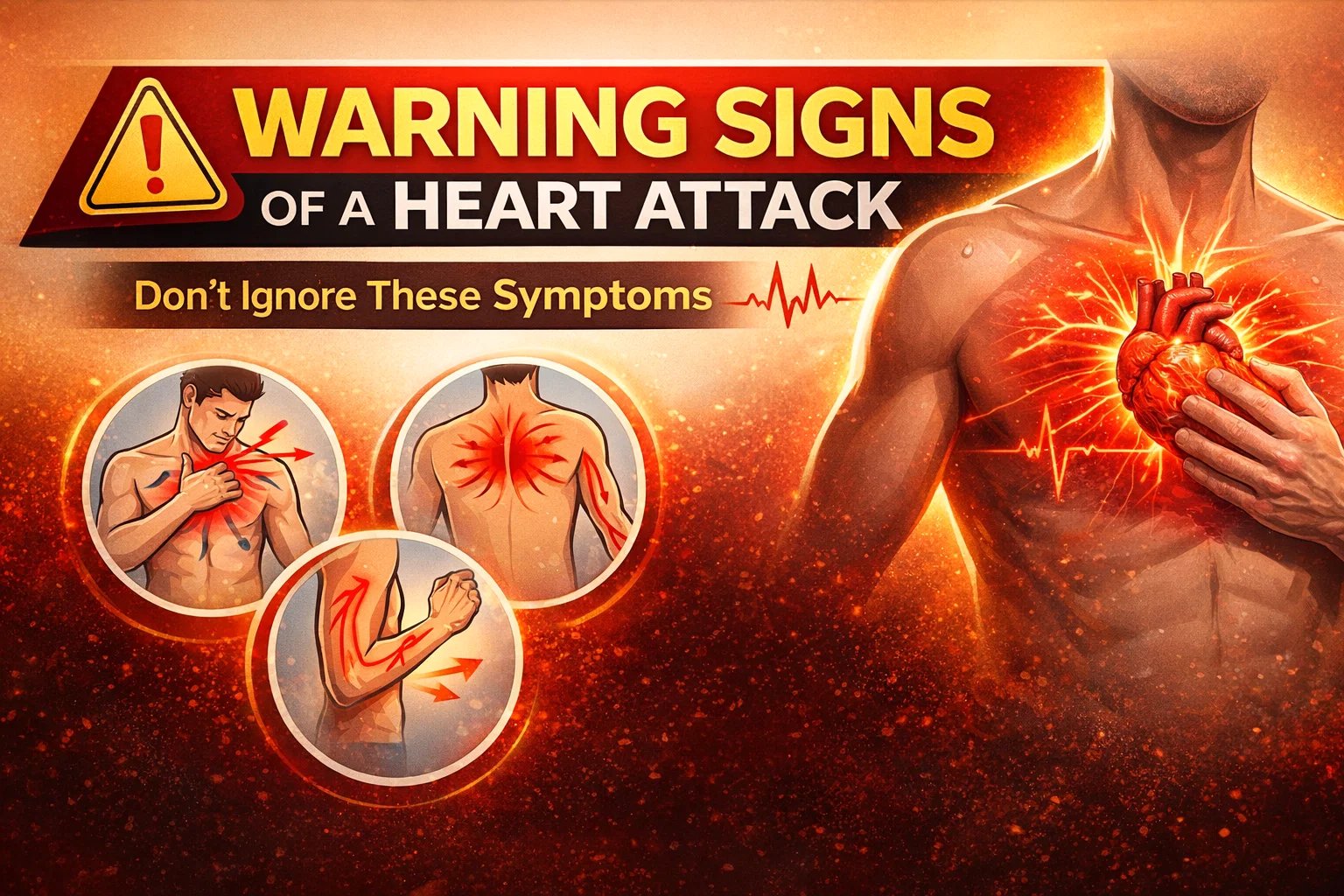
When we talk about heart attack signals, the chest is usually the first place we look, but the sensation is rarely a simple sharp pain. Many survivors describe it as a heavy pressure, a feeling of fullness, or an uncomfortable squeezing in the center of the chest. This discomfort often originates just under the breastbone and can feel like an elephant is sitting on your torso. It is important to note that this feeling may come and go. You might feel a wave of pressure that lasts for a few minutes, subsides, and then returns with greater intensity.
In many cases, the discomfort radiates outward. It might start in the mid-chest and spread across the entire upper chest area, making it difficult to pinpoint the exact source of the ache. Unlike a strained chest muscle, which usually hurts more when you touch the area or move in a specific way, heart-related chest pain is internal and persistent. If you feel a deep, crushing sensation that does not change when you take a deep breath or change positions, it is time to take the situation seriously.
The Radiating Path: Why Your Jaw and Neck Might Hurt
One of the most commonly misunderstood symptoms of a cardiovascular event is pain in the neck and jaw. Because the nerves that serve the heart also travel near the spine and branches of the jaw, the brain can sometimes misinterpret the pain signals. This is known as referred pain. A common combination for many patients is mid-chest pain that begins to migrate upward into the throat and eventually the lower jaw.
Identifying Jaw and Neck Symptoms
How do you tell the difference between a toothache and a heart-related jaw pain? Heart-related jaw pain typically feels like a dull, heavy ache rather than a sharp, localized sting. It may affect both sides of the jaw or move toward the ears. If you find yourself experiencing a tight sensation in your throat or a sudden ache in your jawline that coincides with a feeling of breathlessness or chest heaviness, you should not wait to seek medical attention. This is especially true if the pain appears during physical exertion and disappears when you rest.
The Left Arm Myth: Can the Right Arm Hurt Too?
Most people are aware that pain radiating down the left arm is a classic sign of a heart attack. However, relying solely on the left side can be a dangerous mistake. While the left side is more common due to the position of the heart, discomfort can absolutely occur in the right arm as well. The pain typically travels down the inner part of the arm, starting from the armpit and moving toward the elbow or even the wrist. It might feel like a strange tingling, a sudden weakness, or a heavy numbness that makes the arm feel difficult to lift.
In addition to the arms, many people report intense pressure or pain between the shoulder blades. This is frequently described as a deep, gnawing ache that feels like a knot that cannot be worked out. Because we often sit at desks or carry heavy bags, it is easy to blame this on poor posture. However, if back pain is accompanied by any of the other symptoms on this list, it serves as a major red flag for your heart health.
The Great Imposter: Distinguishing Indigestion from Heart Distress
Perhaps the most dangerous heart attack symptom is upper abdominal discomfort. This is often referred to as the great imposter because it feels almost identical to severe indigestion, heartburn, or a stomach flu. Many individuals attempt to treat this with antacids or by laying down, hoping the feeling will pass. If you experience a burning sensation in the upper stomach area that feels unusually intense or is accompanied by cold sweats and nausea, it is vital to consider that it might not be something you ate.
The heart sits just above the diaphragm, and the lower wall of the heart is in close proximity to the stomach. When the heart lacks oxygen, the signals sent to the brain can feel like they are coming from the digestive tract. If your indigestion feels heavy, persistent, or is triggered by walking or climbing stairs, it is likely cardiovascular rather than gastrointestinal.
Widespread Discomfort and the Silent Signs
Sometimes, a heart attack does not focus on one specific spot but creates a sense of widespread discomfort across the chest, neck, jaw, and both arms simultaneously. This overwhelming sensation can make it hard for a person to describe exactly what is wrong, leading to a feeling of impending doom. Along with this physical pain, keep an eye out for these secondary symptoms that often accompany heart distress:
- Sudden Cold Sweats: Breaking out in a clammy sweat for no apparent reason, especially while resting.
- Shortness of Breath: Feeling like you cannot catch your breath even if you are not being active.
- Lightheadedness: A sudden feeling of dizziness or fainting.
- Extreme Fatigue: Feeling completely exhausted after performing simple, everyday tasks.
Gender Differences in Symptoms
It is worth noting that women are more likely than men to experience the atypical symptoms of a heart attack. While men often report the classic chest pressure, women frequently describe shortness of breath, nausea, and back or jaw pain as their primary indicators. Because these symptoms seem less direct, women often wait longer to go to the hospital. Regardless of your gender, if something feels fundamentally wrong in your upper body, trusting your intuition is key.
Why Immediate Action is Non-Negotiable
When a heart attack occurs, a blockage is preventing oxygen-rich blood from reaching a section of the heart muscle. The longer that muscle goes without oxygen, the more damage is done. This is why doctors often say that time is muscle. Waiting even an hour to see if the pain goes away can result in permanent heart damage or heart failure. Taking action within the first golden hour of symptoms significantly increases the chances of a full recovery and minimizes long-term complications.
If you or someone near you exhibits these warning signals, do not drive yourself to the hospital. Calling emergency services is the safest path because paramedics can begin life-saving treatment the moment they arrive. They can perform an EKG in the ambulance and transmit the results to the hospital, ensuring that the cardiac team is ready to act the moment you through the doors.
Preventative Steps for a Healthier Heart
While knowing the signs is essential for emergencies, taking proactive steps to support your cardiovascular system can help prevent these events from happening in the first place. Small, consistent changes in your daily routine can have a profound impact on your heart’s longevity. Focus on a diet rich in leafy greens, healthy fats like those found in avocados and nuts, and lean proteins. Reducing your intake of processed sugars and excessive salt helps keep your blood pressure and cholesterol in a healthy range.
Regular physical activity is another pillar of heart health. Even a thirty minute brisk walk five days a week strengthens the heart muscle and improves circulation. Finally, managing stress through mindfulness, hobbies, or adequate sleep ensures that your nervous system is not putting unnecessary strain on your heart. Your heart works tirelessly for you every single second of the day, and giving it the care it deserves is the best investment you can make in your future.
Conclusion: Stay Informed and Stay Safe
The human body is incredibly communicative, but we have to be willing to listen. Understanding that a heart attack can feel like a heavy jaw, a sore back, or an upset stomach empowers you to take control of your health. Do not let the fear of being wrong prevent you from seeking help. Medical professionals would much rather tell you that you have a case of bad indigestion than have you arrive too late to treat a cardiac event. By sharing this knowledge with your friends and family, you contribute to a more informed community where everyone knows how to spot the signs before it is too late. Keep these warning signals in mind, prioritize your wellness, and always trust your gut when it tells you something is not right.
I can help you further by generating a list of heart-healthy meal ideas or creating a weekly exercise plan tailored to cardiovascular wellness. Would you like me to do that?