8 Best Fruits to Freeze for Smoothies Recipes Freezing Guide Tips
Have you ever found yourself staring at a container of mushy strawberries or a bunch of overripe bananas, wondering where the time went? We have all been there. It feels like a race against the clock to eat fresh produce before it loses its luster. But what if you could pause that clock? Freezing fruit is one of the most effective, budget friendly, and nutrient dense ways to manage your kitchen. Whether you are a smoothie enthusiast, a home baker, or someone looking to reduce food waste, mastering the art of the deep freeze is a total game changer.
In this guide, we are diving deep into the world of frozen produce. Based on the wisdom of folk medicine and modern kitchen efficiency, we will explore which fruits handle the cold best, the golden rules of preservation, and the common mistakes that lead to freezer burn. By the time you finish reading, you will have a freezer stocked like a professional chef, ready for any recipe at a moment notice.
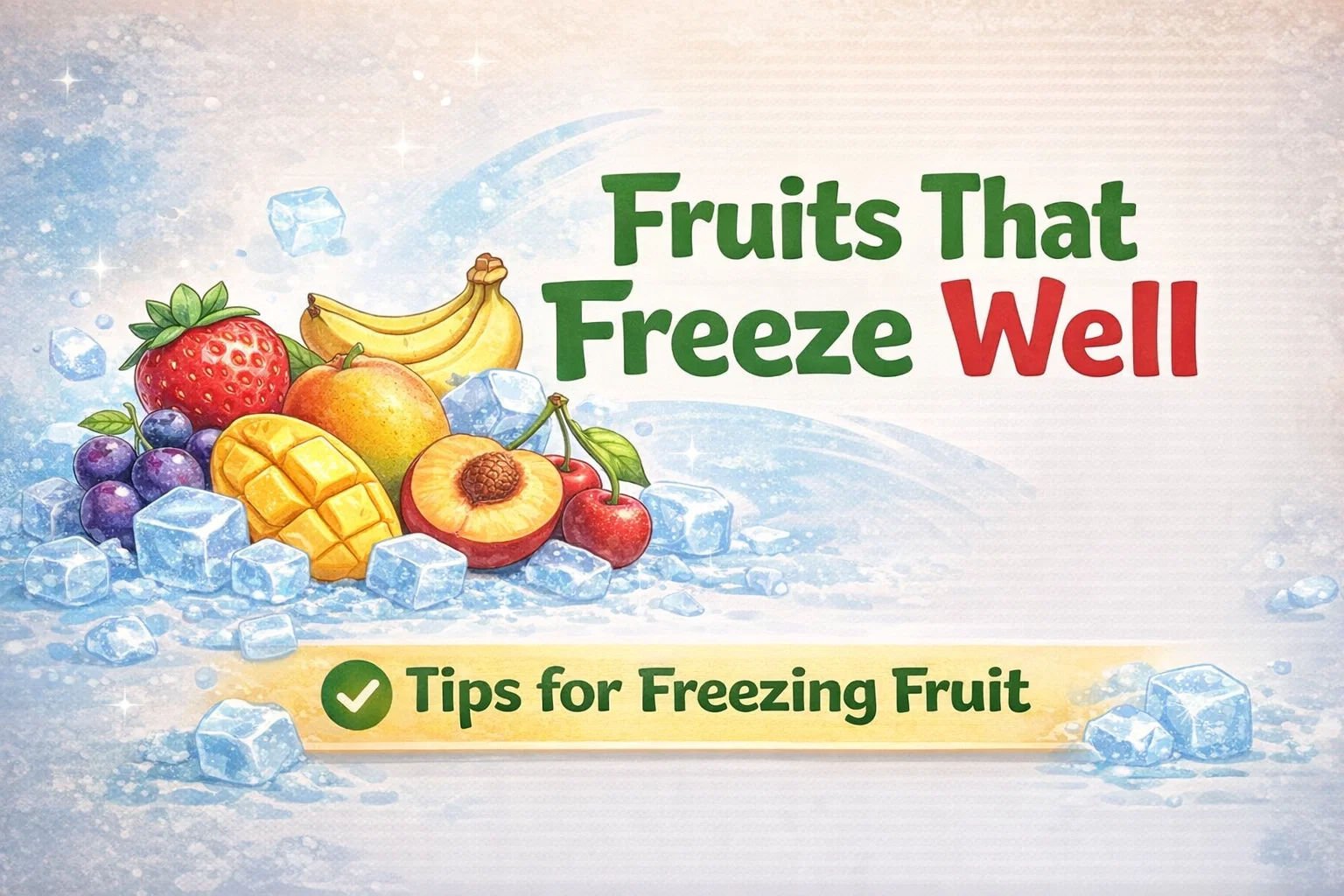
The Best Fruits for Your Freezer Stash
Not all fruits are created equal when it into the icy depths of your freezer. Some turn into a watery mess, while others maintain their structural integrity and flavor profile beautifully. Understanding which varieties are the champions of the freezer will help you shop smarter and prep better.
Berries: The Smoothie Superstars
Berries are perhaps the most popular fruit to freeze, and for good reason. Strawberries, blueberries, raspberries, and blackberries are packed with antioxidants that stay largely intact when frozen at peak ripeness. Because they are small, they freeze quickly, which helps prevent large ice crystals from forming. This keeps their texture firm enough for baking into muffins or blending into a thick, creamy bowl of goodness.
Bananas: Nature’s Creamy Base
Never throw away a spotted banana again. When bananas reach that stage where they are a bit too soft for snacking, they are actually at their peak sweetness. Freezing them makes them the perfect base for dairy free ice cream or thick smoothies. The high sugar content helps them maintain a smooth consistency even when rock hard.
Tropical Delights: Mango and Pineapple
If you love a tropical vibe in your kitchen, mango and pineapple are must haves. These fruits have a sturdy fibrous structure that holds up incredibly well. Frozen mango chunks become almost like sorbet when slightly thawed, making them a fantastic healthy snack right out of the bag. Pineapple chunks retain their signature tang and sweetness, perfect for adding a burst of sunshine to a winter fruit salad or a stir fry sauce.
Stone Fruits: Peaches, Plums, and Cherries
Stone fruits are seasonal treasures, but you can enjoy them year round if you prep them correctly. Peaches and plums should be pitted and sliced before freezing. Cherries are best frozen pitted so they are ready to toss into a pie or a sauce without the hassle of dealing with stones later. These fruits are particularly great for crumbles and cobblers where a slightly softer texture after thawing is actually an advantage.
The Golden Rules of Freezing Fruit
To get the best results, you cannot just toss a grocery bag of fruit into the freezer and hope for the best. There is a science to it. Following these essential rules ensures that your fruit tastes just as good ten months from now as it does today.
Rule 1: Always Freeze at Peak Ripeness
Freezing is like a pause button, not a magic wand. If you freeze fruit that is already tasteless or overripe, it will taste exactly the same when you thaw it. The goal is to catch the fruit when it is perfectly sweet and firm. This locks in the maximum amount of vitamins, minerals, and natural sugars.
Rule 2: Keep It Bone Dry
Moisture is the enemy of a successful freeze. When you wash your fruit, you must ensure it is completely dry before it goes into the cold. Excess water turns into ice crystals on the surface of the fruit, leading to freezer burn and a mushy texture. Use a salad spinner for berries or pat larger fruit dry with a clean kitchen towel.
Rule 3: The Power of Airtight Containers
Air causes oxidation and dehydration. To keep your fruit fresh for 8 to 12 months, use heavy duty freezer bags or airtight glass containers. If using bags, squeeze out as much air as possible before sealing. This simple step prevents that weird freezer taste from migrating into your sweet peaches or cherries.
Rule 4: Do Not Refreeze
Once you thaw fruit, the cell structure has changed. Thawing and then refreezing causes the fruit to lose its shape and flavor entirely. Only take out what you need for your specific recipe to keep the rest of your stash in top condition.
Avoiding Common Freezing Mistakes
Even seasoned home cooks make mistakes when it comes to long term storage. Being aware of these pitfalls will save you time, money, and frustration.
Skipping the Flash Freeze
This is the most common error. If you put a pile of wet, fresh blueberries directly into a freezer bag, they will freeze into one solid, unusable brick. Flash freezing involves spreading the fruit out in a single layer on a parchment lined baking sheet and freezing them for a few hours until hard. Once they are individually frozen, you can transfer them to a bag. They will stay separate, allowing you to grab just a handful whenever you need them.
Using Thin Sandwich Bags
Standard sandwich bags are too thin for the freezer. They allow air to permeate, which leads to ice crystals and off flavors. Always look for bags specifically labeled for freezer use. They are thicker and provide a much better barrier against the harsh environment of your appliance.
Forgetting the Label
Everything looks the same when it is covered in a little bit of frost. Is that a bag of plums or a bag of dark cherries? Labeling your containers with the fruit name and the date you froze it is vital. Most fruit is at its best quality within a year, so knowing when you started the clock is key for food safety and taste.
How to Use Your Frozen Bounty
While frozen fruit might not have the crisp snap of a fresh apple, it is incredibly versatile in the kitchen. Understanding how the texture changes helps you choose the right application.
The Ultimate Smoothie Hack
Frozen fruit is the secret to a thick, cold smoothie without using ice cubes that water down the flavor. Using frozen bananas or berries creates a creamy, milkshake like consistency that is far more satisfying than using fresh fruit and ice. Plus, you get a more concentrated dose of nutrients in every sip.
Baking and Cooking
Frozen fruit is perfect for pies, muffins, and cakes. In many cases, you do not even need to thaw the fruit before adding it to your batter. In fact, adding frozen berries to muffin batter can prevent them from bleeding color throughout the whole tray. For sauces and compotes, frozen fruit breaks down beautifully, releasing its natural juices to create a rich, flavorful topping for pancakes or oatmeal.
Quick Healthy Desserts
Try making a quick sorbet by blending frozen mango or pineapple with a splash of coconut milk. It is a refreshing, whole food dessert that takes less than two minutes to prepare. You can also toss frozen grapes into a bowl for a snack that feels like eating tiny fruit popsicles.
The Science of Softness: Why Thawed Fruit Changes
You might notice that once fruit thaws, it feels a bit softer or more liquid than when it was fresh. This is a natural result of the freezing process. Fruit is made up of a high percentage of water held within cell walls. When that water freezes, it expands, slightly stretching or breaking those cell walls. This is why frozen fruit is better suited for recipes where texture is less critical, such as smoothies, jams, and baked goods, rather than fresh snacking platters.
Maximizing Nutritional Value
Many people worry that frozen fruit is less healthy than fresh. In reality, the opposite is often true. Fruit destined for the freezer is usually picked at its absolute peak and processed within hours. Fruit in the produce aisle, however, may have been picked before it was ripe and spent days or weeks in transit, losing nutrients along the way. Freezing acts as a natural preservative, locking in those vital vitamins so you can benefit from them months later.
Conclusion: Your Path to a Zero Waste Kitchen
Mastering the art of freezing fruit is about more than just convenience. It is a step toward a more sustainable, mindful way of living. By reducing food waste and taking advantage of seasonal gluts, you are saving money and ensuring that your family has access to high quality nutrition all year long. Remember to freeze at peak ripeness, dry your produce thoroughly, and always use the flash freeze method to keep your ingredients accessible.
Your freezer is essentially a treasure chest of flavor waiting to be unlocked. Whether it is a dark winter morning made brighter by a summer berry smoothie or a Sunday afternoon filled with the scent of a peach cobbler, your future self will thank you for the effort you put in today. So, the next time you see a great deal on fresh berries or find your fruit bowl overflowing, do not let it go to waste. Grab a baking sheet, some freezer bags, and start building your stash of frozen gold.
Would you like to learn more about preserving vegetables or perhaps see a few of our favorite frozen fruit smoothie recipes?