15 Signs of Nutrient Deficiency Your Bodys Warning Signals How to Fix Them Naturally
Have you ever woken up feeling exhausted despite getting eight hours of sleep, or noticed that your hair seems a bit thinner than usual? Our bodies are incredibly sophisticated communication systems, yet we often ignore the subtle whispers they send us every day. When you experience a persistent sugar craving or a sudden bout of muscle cramps, it is not just a random occurrence. It is your biology signaling that it is missing a key building block. Understanding these 16 signs that your body is starving for specific nutrients is the first step toward a vibrant, high energy lifestyle. Let us dive deep into what your symptoms are trying to tell you and how you can fix them naturally.
The Connection Between Symptoms and Vital Nutrients
In our modern, fast paced world, it is easy to fall into the trap of overconsumption while remaining undernourished. We might be eating enough calories, but are we getting the actual vitamins and minerals required for cellular function? This state of being overfed but undernourished is more common than you might think. When your body lacks essentials like Iron, Magnesium, or Omega-3 fatty acids, it cannot perform its daily tasks efficiently. This leads to the physical and mental red flags we often dismiss as just getting older or being stressed.
Iron Deficiency and the Constant Chill
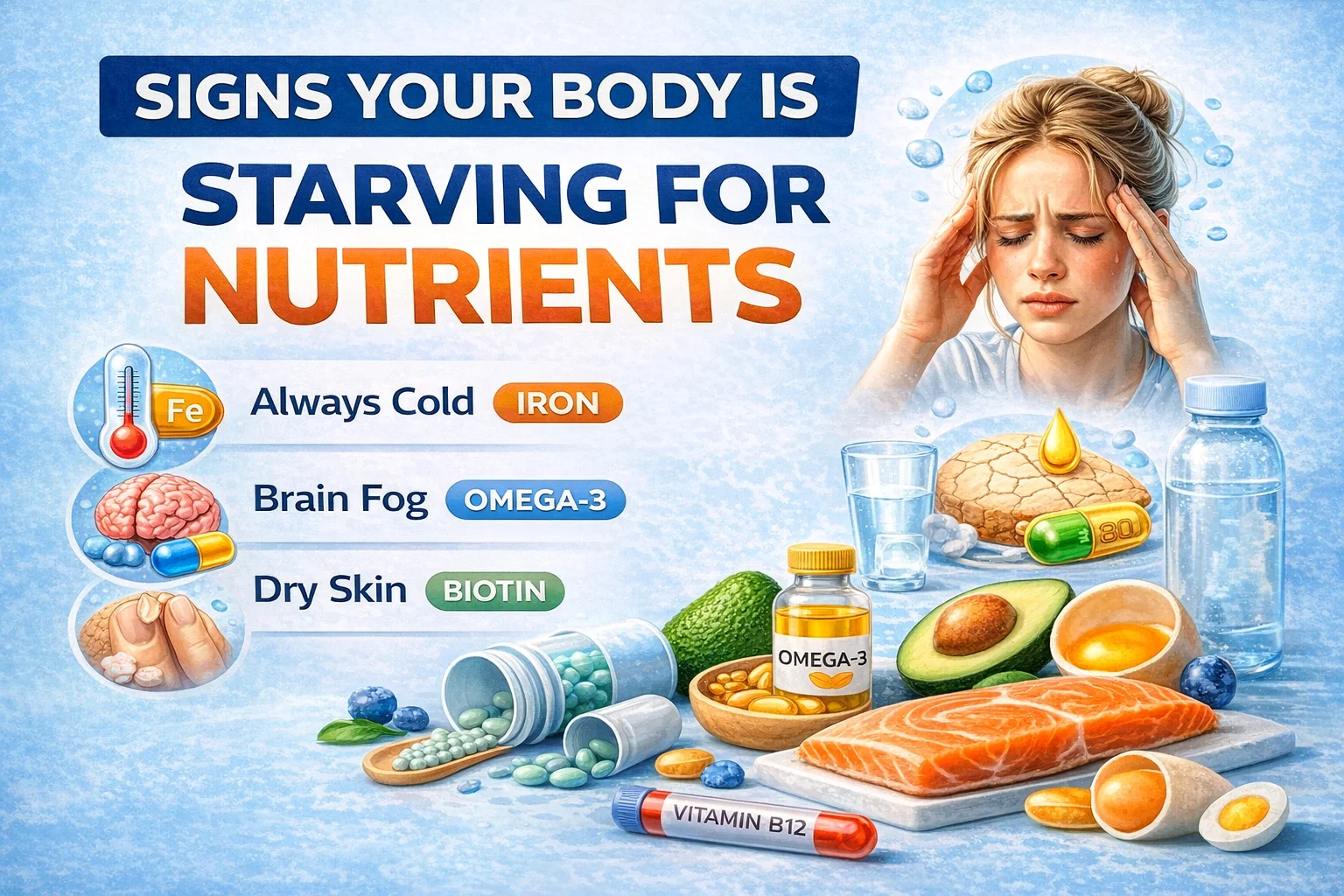
If you find yourself reaching for a sweater while everyone else is comfortable, you might be looking at an iron deficiency. Iron is a primary component of hemoglobin, the substance in red blood cells that carries oxygen from your lungs to the rest of your body. When iron levels are low, your body struggles to regulate its internal temperature. This often manifests as cold hands and feet. Furthermore, iron is a major player in hair health. Since your body prioritizes vital organs over hair follicles, a lack of iron can lead to noticeable thinning or hair loss. Incorporating more leafy greens, lentils, and lean proteins can help bridge this gap.
Energy Thieves: Vitamin D and B12
Fatigue is perhaps the most common complaint in modern wellness, but not all fatigue is created equal. If you feel a heavy, bone deep tiredness that does not go away with rest, your Vitamin D levels might be the culprit. Vitamin D acts more like a hormone than a vitamin, influencing everything from immune function to mood regulation. Without enough of it, your mitochondria, the powerhouses of your cells, cannot function at peak capacity.
The Brain Fog Factor
On the other hand, if your fatigue is more mental than physical, you might be starving for Vitamin B12. Known as the energy vitamin, B12 is crucial for nerve tissue health and brain function. Low levels often lead to poor focus, memory lapses, and that dreaded feeling of brain fog. Since B12 is primarily found in animal products, those on plant based diets need to be especially mindful of their intake through fortified foods or high quality supplements to keep their cognitive gears turning smoothly.
Deciphering Your Cravings: The Magnesium Mystery
Do you ever have an uncontrollable urge for chocolate or something sweet? Before you reach for a candy bar, consider that your body might actually be asking for Magnesium. Magnesium is involved in over 300 biochemical reactions in the human body, including glucose metabolism. When you are low on this mineral, your body struggles to manage blood sugar levels, leading to intense sugar cravings. Magnesium is also the ultimate relaxation mineral. If you find yourself feeling unusually anxious, irritable, or suffering from painful muscle cramps at night, it is a loud signal that your magnesium stores are depleted. Pumpkin seeds, almonds, and dark leafy greens are excellent natural sources to help calm your nervous system.
Hydration and the Headache Cycle
Frequent headaches are often the body’s simplest cry for help: dehydration. While it sounds basic, water is the medium through which all nutrients are transported. Even a 2 percent drop in hydration can lead to a shrinking of brain tissue, which pulls away from the skull and triggers a pain response. Before reaching for over the counter painkillers, try increasing your intake of filtered water and electrolyte rich fruits like watermelon or cucumber.
External Signs: Skin, Nails, and Hair
Your outward appearance is often a direct reflection of your inward health. Dry, flaky skin that does not respond to topical moisturizers is frequently a sign that you are lacking healthy fats. Omega-3 fatty acids are essential for maintaining the lipid barrier of your skin cells, which keeps moisture locked in. If your skin feels like parchment, it is time to load up on walnuts, chia seeds, and fatty fish like salmon.
Biotin and Your Foundations
Brittle, weak nails that peel or break easily are classic indicators of a Biotin deficiency. Also known as Vitamin B7, Biotin helps your body convert food into energy and plays a massive role in the production of keratin. By strengthening the keratin infrastructure, Biotin ensures your nails and hair remain resilient against daily wear and tear. Eggs and sweet potatoes are fantastic additions to your diet to support these structural proteins.
Metabolism and Digestion: The Internal Engine
If you feel like your metabolism has hit a wall or you are constantly dealing with bloating, your body is likely struggling with its fuel processing. A slow metabolism is often linked to low protein intake. Protein has a high thermic effect, meaning your body burns more calories digesting it than it does for fats or carbohydrates. Additionally, protein provides the amino acids necessary for muscle maintenance, which is the primary driver of your basal metabolic rate.
Fiber and Gut Health
Bloating is almost always a sign of a sluggish digestive tract, often caused by low fiber intake. Fiber acts as a broom for your intestines, moving waste along and feeding the beneficial bacteria in your gut. When you lack fiber, digestion stalls, leading to fermentation and gas. Increasing your intake of beans, whole grains, and fibrous vegetables can drastically reduce digestive discomfort and improve nutrient absorption across the board.
Immunity and the Zinc Connection
Getting sick often is a clear indicator that your immune system is compromised. Zinc is the gatekeeper of immune function. It is required for the development and activation of T-lymphocytes, which are the white blood cells that fight off infections. If every cold that goes around the office seems to find you, increasing your zinc intake through seeds, legumes, or shellfish can provide the defensive boost your body is starving for.
Dizziness and Caloric Deficit
While we often focus on specific micro-nutrients, we cannot forget the macro-picture. Feeling dizzy or lightheaded when you stand up is a sign that your overall caloric intake might be too low. Your brain requires a steady supply of glucose and energy to maintain blood pressure and balance. If you are undereating in an attempt to lose weight, your body will eventually rebel by slowing down non-essential functions, leading to that shaky, dizzy sensation.
A Holistic Approach to Nourishment
Healing these deficiencies is not about taking a handful of pills and hoping for the best. It is about a lifestyle shift toward whole, nutrient dense foods. The synergy between different vitamins and minerals is complex. For example, Vitamin D helps you absorb Calcium, and Vitamin C helps you absorb Iron. This is why eating a diverse range of colorful vegetables and high quality proteins is far superior to relying on isolated supplements alone.
Listen, Don’t Ignore
The goal is to move from a state of reactive health to proactive wellness. Instead of waiting for a symptom to become a chronic condition, start viewing these signs as helpful data points. When you feel that afternoon slump, ask yourself if you have had enough water or B12 today. When your muscles cramp, reach for a potassium rich banana or some coconut water. By responding to these signals with the correct nutrients, you allow your body to heal and thrive from the inside out.
Conclusion: Reclaiming Your Vitality
Your body is always talking to you. Whether it is through the dry skin on your elbows, the fog in your brain, or the chill in your bones, these 16 signs are invitations to look closer at your nutrition. By identifying where you are starving inside and providing the specific building blocks like Magnesium, Omega-3s, and Zinc, you can transform your health in a matter of weeks. Remember that true wellness is a journey of small, consistent choices. Start by picking one or two signs you recognize in yourself and focus on adding those specific nutrients back into your daily routine. Your body has an incredible capacity for repair, it just needs the right tools to get the job done. Save this list, stay curious about your health, and start nourishing the vibrant version of yourself that is waiting to emerge.
Would you like me to generate a specific meal plan based on these nutrient deficiencies for your next blog post?