Natural Ways to Improve Kidney Health Avoid Dialysis Best Foods and Lifestyle Tips
Maintaining optimal kidney health is one of the most vital yet frequently overlooked aspects of long-term wellness. Our kidneys are the silent powerhouses of the body, filtering hundreds of liters of blood every single day to remove toxins and balance essential minerals. When these bean-shaped organs struggle, the impact ripples through every other system, from your energy levels to your heart health. Taking a proactive approach to renal care is not just about avoiding medical procedures like dialysis; it is about embracing a lifestyle that allows your body to thrive naturally. By understanding the specific foods and habits that either support or strain these delicate filters, you can take control of your biological future.
The Critical Role of Kidney Filtration
Shutterstock
Explore
To appreciate why specific dietary choices matter so much, we first need to understand what the kidneys actually do. They are responsible for maintaining the body’s internal equilibrium. This includes regulating blood pressure through hormone secretion, managing the production of red blood cells, and keeping your bones strong by balancing calcium and phosphorus. When kidneys become overloaded with excess salt, sugar, and processed chemicals, they have to work overtime. Over years of neglect, this can lead to scarring and decreased function. Fortunately, the body is incredibly resilient. When you provide the right nutrients and reduce the toxic load, you give your kidneys the space they need to function efficiently.
Foods and Habits to Avoid for Better Renal Health
The first step in any detoxification or healing journey is to stop the damage at the source. Certain modern staples are particularly taxing on the renal system. By identifying these triggers, you can make informed decisions every time you step into a grocery store or look at a restaurant menu.
The Hidden Dangers of Sodium and Sugar
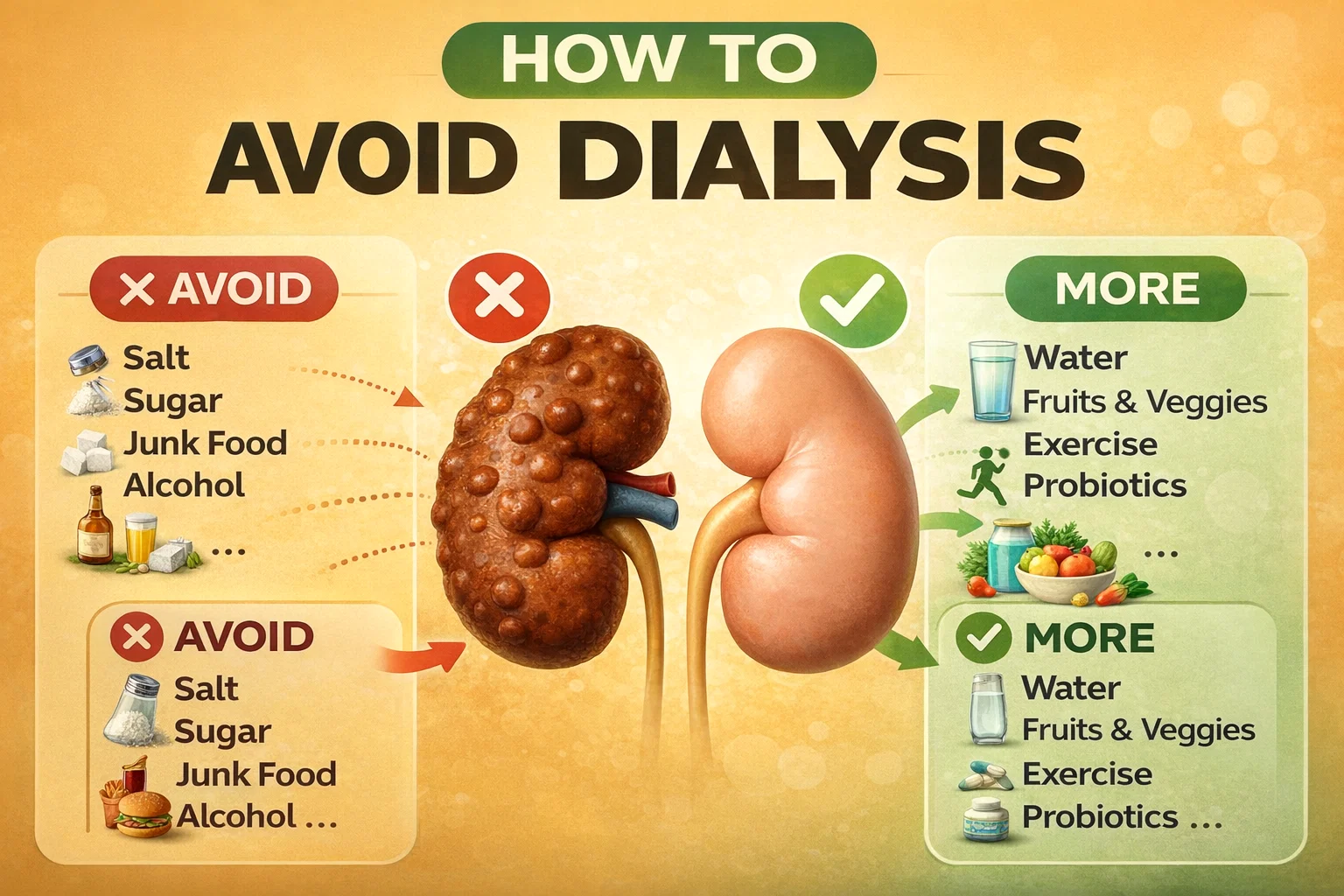
Salt is perhaps the most well-known enemy of the kidneys. High sodium intake increases blood pressure, which in turn puts immense pressure on the small blood vessels within the kidneys. Over time, this pressure causes these vessels to weaken or harden. Similarly, refined sugar contributes to obesity and diabetes, which are the leading causes of chronic kidney disease. Monitoring your intake of these two ingredients is the foundation of any kidney-friendly diet.
Processed Foods and Saturated Fats
Processed and packaged foods are often loaded with phosphorus additives and sodium, both of which are difficult for compromised kidneys to filter. Frying foods or consuming high amounts of saturated fats leads to inflammation throughout the body. This systemic inflammation can slow down the filtration process and contribute to the buildup of waste products in the bloodstream.
The Impact of Lifestyle Stressors
Physical health is deeply tied to our daily routines. Sitting for extended periods has been linked to an increased risk of kidney disease, likely due to its impact on glucose metabolism and blood pressure. Furthermore, chronic stress triggers the release of cortisol, a hormone that, when constantly elevated, can disrupt the delicate balance of minerals in your body. Avoiding excessive alcohol and managing your protein intake—especially from heavy sources like aged cheeses and red meats—can also significantly reduce the metabolic waste your kidneys must process.
The Power of Nutrition: What to Eat More Of
While knowing what to avoid is essential, focusing on what to include is where the real healing begins. Nature provides an abundance of “superfoods” specifically designed to support renal filtration and reduce oxidative stress.
Hydration and Diuretic Foods
Water is the primary tool your kidneys use to flush out waste. Staying consistently hydrated ensures that the concentration of minerals in your urine remains low, reducing the risk of kidney stones. Beyond plain water, certain “diuretic” foods like red onions and garlic help the body eliminate excess fluid and sodium. Garlic, in particular, has potent anti-inflammatory properties and can help lower cholesterol, providing a double benefit for your cardiovascular and renal systems.
Fiber and Probiotics
A healthy gut often leads to healthy kidneys. High-fiber foods like fruits and vegetables help regulate blood sugar levels, preventing the spikes that damage kidney tissue. Probiotics, found in fermented foods or high-quality supplements, help manage the “gut-kidney axis.” By maintaining a healthy balance of bacteria in the digestive tract, you reduce the amount of nitrogenous waste that the kidneys have to filter out of the blood.
The Turmeric and Black Pepper Synergy
Turmeric is a powerful anti-inflammatory agent thanks to its active compound, curcumin. When paired with black pepper, which contains piperine, the absorption of curcumin increases by thousands of percentage points. This combination helps reduce inflammation in the kidney tissues and protects against oxidative damage caused by environmental toxins.
Essential Supplements for Kidney Support
In addition to a whole-food diet, specific vitamins and minerals play a targeted role in maintaining renal integrity. Always consult with a healthcare provider before starting a new regimen, especially if you have existing health conditions.
The Importance of Vitamin D3 and K2
Vitamin D3 is essential for kidney function, as the kidneys are responsible for converting D3 into its active form. However, taking D3 alone can sometimes lead to calcium buildup in the soft tissues. This is where Vitamin K2 comes in. K2 acts as a “traffic cop,” ensuring that calcium goes to your bones and teeth rather than staying in your arteries or kidneys where it could cause stones or calcification.
CoQ10 and B-Complex Vitamins
Coenzyme Q10 (CoQ10) is a powerful antioxidant that supports cellular energy production. The kidneys are highly metabolic organs that require a lot of energy to function, making CoQ10 a valuable ally. Additionally, B-complex vitamins help manage homocysteine levels; high levels of this amino acid are often associated with kidney dysfunction and heart disease.
Practical Lifestyle Changes for Long-Term Vitality
Healing is a holistic process that extends beyond the dinner plate. Incorporating movement and rest into your daily life creates the environment necessary for your organs to repair themselves.
- Prioritize Sleep: Kidney function is actually regulated by the sleep-wake cycle. During deep sleep, the body works to coordinate the kidney’s workload and repair damaged tissues. Aim for seven to nine hours of quality rest each night.
- Consistent Movement: You do not need to run marathons to support your kidneys. Simple, consistent activities like walking, swimming, or yoga improve circulation and help maintain a healthy weight, which significantly reduces the strain on your renal system.
- The Baking Soda Secret: Some clinical studies have suggested that small, controlled amounts of sodium bicarbonate (baking soda) can help neutralize acidity in the blood, potentially slowing the progression of chronic kidney disease. This should only be done under strict medical supervision, but it highlights the importance of maintaining an alkaline-leaning internal environment.
Creating a Kidney-Friendly Daily Routine
Transforming your health doesn’t have to happen overnight. It is about the small, repeatable actions you take every day. Start your morning with a large glass of filtered water to jumpstart your filtration system. Instead of reaching for a sugary snack in the afternoon, opt for a piece of fruit high in fiber. When seasoning your dinner, swap out the salt shaker for a blend of turmeric, black pepper, and garlic. These substitutions might seem minor, but over weeks and months, they contribute to a significant reduction in systemic stress.
Monitoring Your Progress
Pay attention to your body’s signals. Improved energy levels, clearer skin, and better digestion are often the first signs that your internal organs are functioning more efficiently. Regular check-ups with your doctor for blood work, specifically checking your GFR (Glomerular Filtration Rate) and creatinine levels, can give you a concrete map of your progress and help you stay motivated on your wellness journey.
Embracing a Future of Vitality
Choosing to support your kidney health is an act of self-care that pays dividends for decades. While the modern world is full of conveniences that can be hard on our bodies, we also have more access than ever to the knowledge required to counteract those effects. By focusing on a diet rich in whole foods, staying active, and utilizing the power of natural anti-inflammatories, you are doing more than just avoiding a medical diagnosis; you are investing in a life of energy and longevity.
Your kidneys are incredibly efficient and dedicated organs. When you treat them with the respect they deserve by providing the right fuel and reducing unnecessary burdens, they will continue to serve you faithfully. Start today by making one better choice for your renal health. Whether it is drinking an extra glass of water or adding some fresh garlic to your meal, every small step is a victory for your body.
Would you like me to generate a set of kidney-friendly recipes or a detailed 7-day meal plan based on these principles?