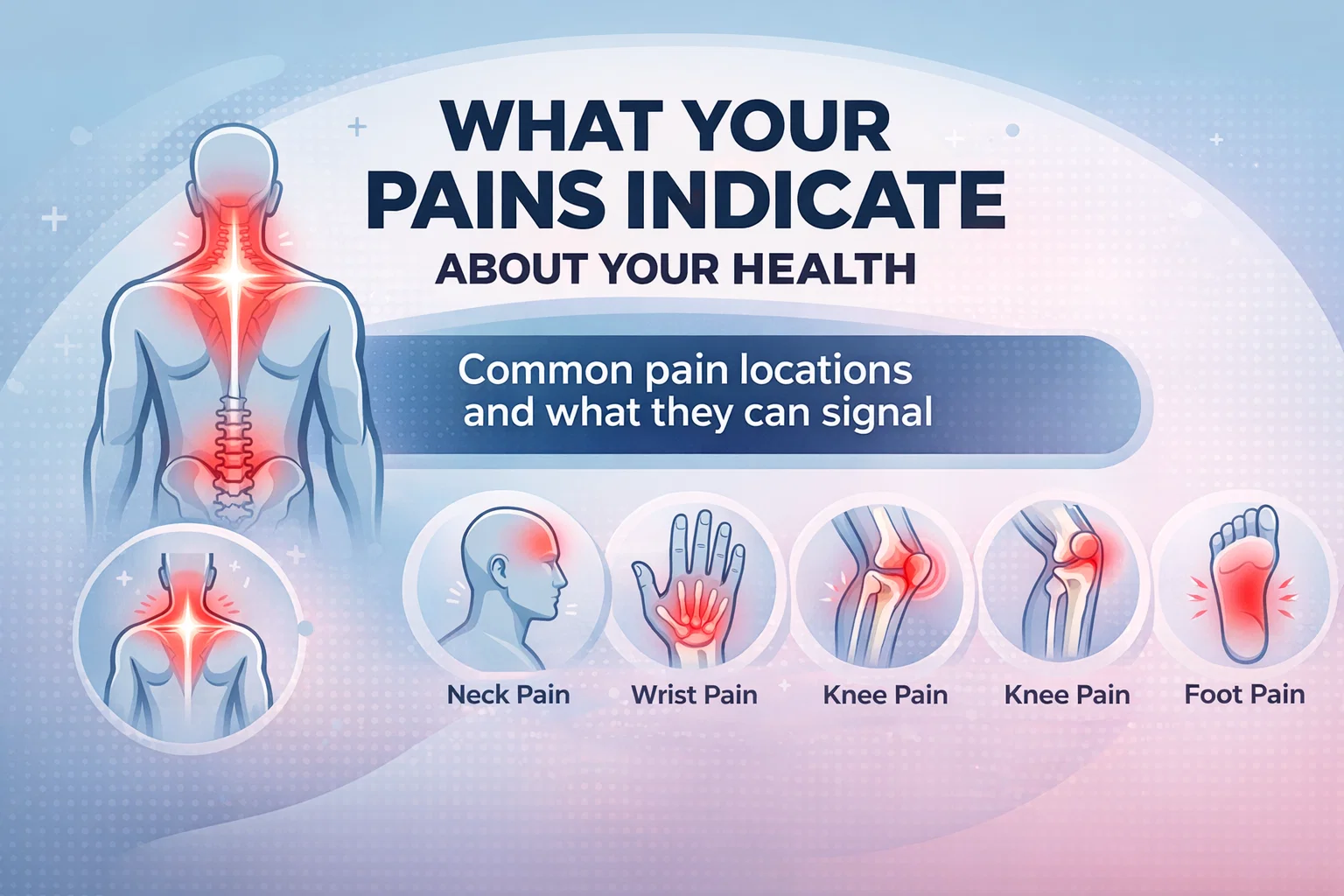
What Your Pains Say About Your Health Understanding Body Aches and Holistic Wellness Tips
Have you ever woken up with a nagging ache in your shoulder or a sharp pull in your lower back and wondered exactly what your body was trying to communicate? Our bodies are incredibly sophisticated communication systems. They do not just feel pain for the sake of it; they use physical sensations as a dashboard of warning lights to tell us when something is out of alignment, overstressed, or in need of genuine care. Understanding these signals is the first step toward a more proactive and holistic approach to your personal well-being.
When we experience discomfort, our first instinct is often to reach for a quick fix to dull the sensation. However, by slowing down and decoding what these pains indicate about our health, we can address the root causes rather than just the symptoms. From the tension in your forehead to the dull throb in your soles, every sensation has a story. Let us dive deep into the map of the human body to understand what your aches are really trying to say.
The Upper Body: Tension and Posture Signals
The upper body is where many of us carry the weight of our daily stress. In a world dominated by screens and desk work, the neck and shoulders have become the primary zones for physical manifestations of tension. If you are feeling a heavy weight on your upper shoulders, it is often indicative of potential neck strain or shoulder muscle fatigue. This is frequently caused by what experts call “tech neck,” where the forward leaning of the head puts immense pressure on the cervical spine.
Neck Pain and Poor Posture
Neck pain is commonly tied to poor posture or muscle tension. When you spend hours looking down at a phone or leaning into a computer monitor, the muscles in the back of the neck overstretch while the muscles in the front tighten. This imbalance creates a chronic ache that can eventually lead to more significant issues like nerve compression. Beyond just sitting up straight, your neck might be asking for more frequent movement breaks and ergonomic adjustments to your workspace.
Right Shoulder vs. Upper Shoulder Pain
It is important to distinguish between generalized shoulder tension and localized pain. Right shoulder pain, specifically, could signal rotator cuff issues or even referred pain from internal organs like the gallbladder. The rotator cuff is a group of muscles and tendons that keep the arm bone in the shoulder socket. If you feel a sharp pinch when lifting your arm, your body is signaling a need for rest and perhaps physical therapy to strengthen those stabilizing muscles.
Shutterstock
Explore
The Spine: Your Bodys Central Command
The spine is the pillar of your physical health. When the spine is unhappy, the rest of the body follows suit. Pain along the vertebral column is usually categorized into three main areas: thoracic, lumbar, and the upper torso. Each area points toward different lifestyle factors or injury risks.
Thoracic Pain and Lung Health
The thoracic spine is the middle back area. While less common than lower back pain, thoracic pain may indicate spine issues or, interestingly, lung-related concerns. Because the ribs attach to the thoracic vertebrae, respiratory issues or even deep-seated stress that affects breathing patterns can manifest as mid-back discomfort. If you feel tightness here, focus on deep diaphragmatic breathing and gentle spinal twists to regain mobility.
Lumbar Pain: The Lower Back Burden
Lumbar pain is one of the most frequent complaints in modern wellness. It may indicate lower back strain or disc issues. The lumbar region supports the weight of your entire upper body, making it highly susceptible to injury from improper lifting, prolonged sitting, or a weak core. When your lower back aches, it is often a plea from your body to strengthen your abdominal muscles, which act as a natural corset for the spine.
Upper Torso Fractures and Serious Injury
Pain in the upper torso, particularly around the rib cage, should never be ignored. It suggests a serious injury requiring medical attention, such as a fracture or severe nerve impingement. If the pain is sharp and increases with a deep breath or sudden movement, it is a clear sign that professional diagnostic imaging is necessary to rule out structural damage.
Extremities and Joint Health: Movement and Wear
Our limbs allow us to interact with the world, but they are also the first places to show signs of repetitive strain and age-related wear. Whether it is your knees, wrists, or hips, these joints require specific maintenance to stay fluid and pain-free.
Knee Pain and Preventative Care
Knee pain is often related to arthritis or ligament injuries. As one of the most complex joints in the body, the knee bears the brunt of every step you take. Reiterating the importance of knee health and preventative care is essential for long-term mobility. This includes maintaining a healthy weight to reduce pressure on the joints and wearing supportive footwear that aligns your stride correctly.
Wrist Pain and Repetitive Strain
In the digital age, wrist pain has become an epidemic. It can indicate repetitive strain or carpal tunnel syndrome. This occurs when the median nerve, which runs from the forearm into the palm of the hand, becomes pressed or squeezed at the wrist. If you feel tingling or weakness, it is a sign to evaluate your typing ergonomics and incorporate wrist stretches into your daily routine.
Hip Pain and Bursitis
Hip pain may be related to arthritis or bursitis. The hip is a ball-and-socket joint designed to withstand a fair amount of wear and tear, but repetitive high-impact activities or long periods of inactivity can cause inflammation in the bursa, the fluid-filled sacs that cushion the joint. Strengthening the glutes and hip flexors can often alleviate this discomfort and restore a full range of motion.
Decoding Sensation: Numbness and Foot Health
Sometimes pain is not a dull ache or a sharp sting, but a lack of sensation or a specific localized burning. These types of signals often point toward the nervous system or circulatory health.
- Numb Fingers: Often a sign of nerve compression or circulation issues. This can be linked to issues as far up as the neck or as localized as the wrist.
- Groin Pain: Could signal muscle strain or a hernia. It is a common injury for athletes but can also happen from sudden, heavy lifting.
- Entire Sole Pain: Often linked to plantar fasciitis or other foot conditions. The fascia is the tissue that connects your heel bone to your toes, and when it becomes inflamed, every step can feel like walking on glass.
Headaches and Nerve-Related Tension
The head is the most sensitive area for pain, and where you feel a headache can tell you exactly what is causing it. Not all headaches are created equal, and understanding the geography of your head pain can help you find the right remedy.
Forehead Pain and Migraines
Forehead pain is commonly associated with migraines or tension headaches. Migraines often come with sensory sensitivities, while tension headaches feel like a tight band being squeezed around the skull. These are frequently triggered by dehydration, eye strain, or significant emotional stress. Resting in a dark room and hydrating are the first lines of defense here.
Back of Head Pain
Pain at the base of the skull or the back of the head could indicate tension or nerve-related issues. This is often referred to as occipital neuralgia, where the nerves running from the top of the spinal cord up through the scalp become inflamed. This type of pain is frequently tied back to neck posture, showing how interconnected our bodily systems truly are.
A Holistic Approach to Recovery
Once you have identified what your pains indicate, the next step is taking action. A holistic approach involves looking at your lifestyle, diet, and movement patterns to create an environment where your body can heal itself. Here are a few foundational tips for managing daily aches:
- Hydration: Muscles and joints require water to stay lubricated and elastic. Dehydration is a leading cause of muscle cramping and headaches.
- Anti-Inflammatory Nutrition: Incorporating turmeric, ginger, and omega-3 fatty acids into your diet can help reduce systemic inflammation.
- Mindful Stretching: Routine stretching increases blood flow to tired muscles and helps reset the nervous system.
- Quality Sleep: Your body does the bulk of its tissue repair while you sleep. Ensure you have a supportive pillow and mattress that keeps your spine neutral.
Listening to Your Body for Long-Term Wellness
Understanding the messages your body sends through pain is a powerful skill. It allows you to move from a place of frustration to a place of empowered action. While many minor aches can be managed through better posture, stretching, and lifestyle changes, it is vital to remember that persistent pain is a signal that should not be ignored. If a sensation is chronic, severe, or worsening, you should always consult a healthcare professional to get a definitive diagnosis.
By treating your body with the respect and attention it deserves, you can catch small issues before they become major hurdles. Use this guide as a starting point to check in with yourself daily. Are your shoulders tight? Is your lower back feeling the strain of the day? Take a moment to breathe, stretch, and give your body the care it is asking for. Your future self will thank you for the mindfulness you practice today.
Would you like me to create a customized stretching routine based on one of these specific pain areas?