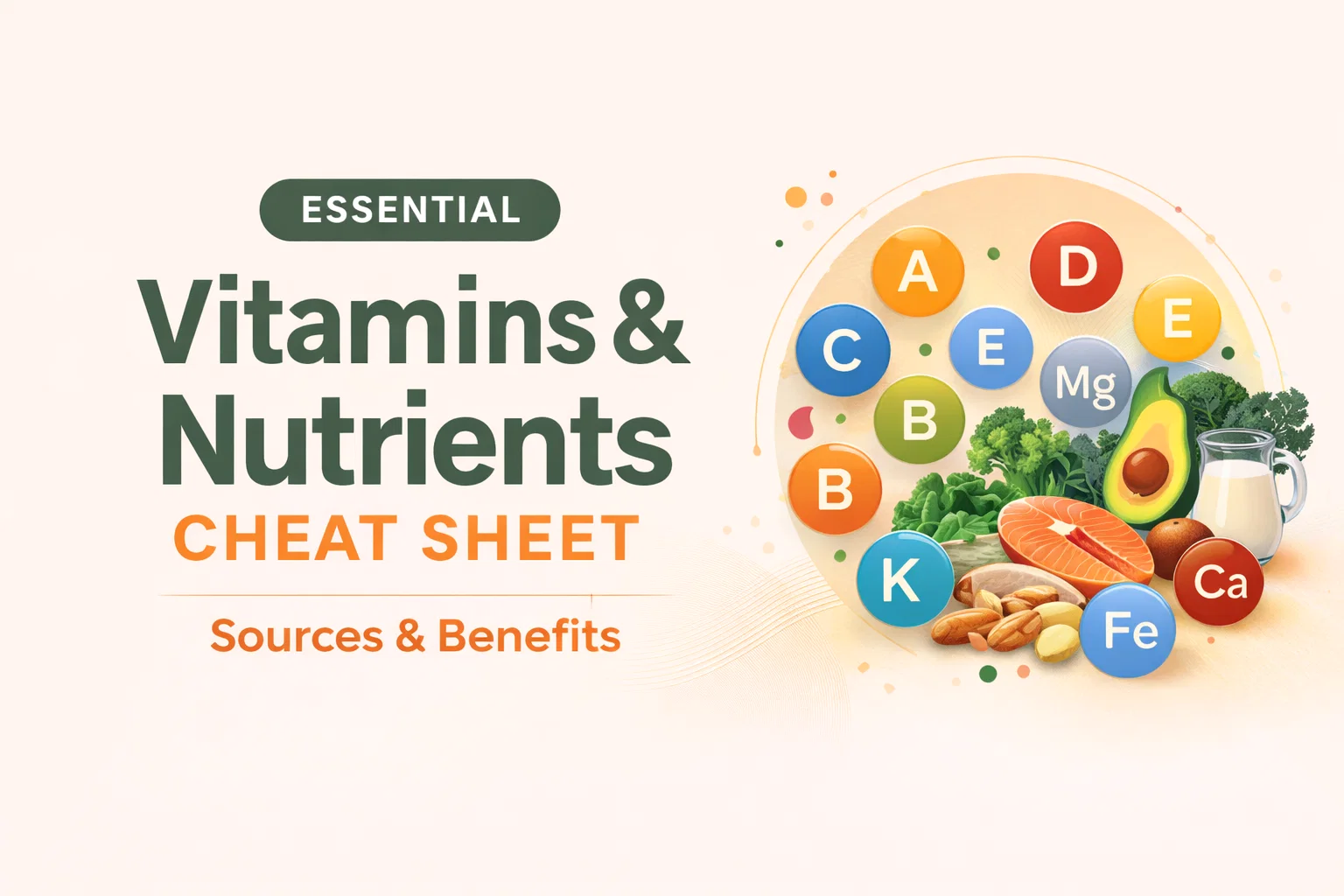
Vitamin Cheat Sheet Poster Essential Nutrients Food Sources Wall Art Guide
In the fast paced world we live in, keeping track of every single nutrient our body needs can feel like a full time job. Between work, family, and personal goals, it is easy to overlook the microscopic fuel that keeps our engines running. Imagine walking into your kitchen and having a roadmap to your health right on the wall. That is the power of a well organized vitamin guide. It transforms the complex science of nutrition into a simple, actionable, and visually appealing reference that helps you make better choices every single time you open the fridge.
The Essential Guide to Vitamins and Where to Find Them
Vitamins are organic compounds that our bodies require in small amounts to perform a variety of vital functions. They are the silent workers behind your clear vision, your glowing skin, and your ability to fight off a seasonal cold. While many people reach for a bottle of supplements first, the most bioavailable and effective way to get these nutrients is through whole foods. Nature has already packaged these vitamins with the fiber, enzymes, and minerals necessary for optimal absorption.
Vitamin A for Vision and Immunity
Vitamin A is perhaps most famous for its role in eye health. It helps protect the surface of the eye and is essential for night vision. Beyond your sight, it acts as a powerful protector for your immune system. If you want to boost your intake, look no further than vibrant orange and dark green vegetables. Carrots are the classic choice, but spinach and sweet potatoes are also packed with beta carotene, which the body converts into active Vitamin A.
The B Vitamin Powerhouse
The B-complex group is a family of eight vitamins that work together to manage your energy levels and brain function. They are like the spark plugs of the human body, helping us convert the food we eat into useable fuel.
- Vitamin B1 (Thiamine): Essential for nerve function and energy metabolism. You can find it in abundance in whole grains and lean pork.
- Vitamin B2 (Riboflavin): This nutrient is a key player in breaking down proteins, fats, and carbohydrates. Milk and eggs are excellent daily sources.
- Vitamin B3 (Niacin): Focuses heavily on skin health and digestive function. Poultry and fish are great options for boosting your niacin levels.
- Vitamin B5 (Pantothenic Acid): Vital for hormone synthesis. If you love avocados or eggs, you are already getting a healthy dose of this important B vitamin.
- Vitamin B6 (Pyridoxine): This is your brain health vitamin. It helps with mood regulation and cognitive development. Reach for a banana or some chicken to keep your mind sharp.
- Vitamin B7 (Biotin): The secret to strong hair and nails. Almonds and eggs are the go-to snacks for those looking to improve their natural glow.
- Vitamin B9 (Folate): Critically important for fetal development and cell growth. Leafy greens and legumes are the best natural sources for this nutrient.
- Vitamin B12 (Cobalamin): Unique because it is primarily found in animal products like meat and dairy. it is essential for blood formation and healthy brain function.
The Protective Power of Antioxidants
Antioxidants are the body’s defense system against oxidative stress and free radicals, which can damage cells over time. Incorporating these into your diet is like giving your cells a protective shield.
Vitamin C for Overall Vitality
We often think of Vitamin C as the cure for the common cold, but its benefits go much deeper. It is a potent antioxidant that aids in collagen production, which keeps your skin firm and your joints healthy. While citrus fruits like oranges and lemons are famous sources, broccoli and bell peppers actually contain surprisingly high amounts of this vital nutrient.
Vitamin E and Cell Protection
Vitamin E is a fat soluble antioxidant that protects cell membranes from damage. It is particularly important for skin health and immune function. To get your daily dose, try incorporating more nuts and seeds into your snacks or salads. Sunflower seeds and almonds are among the densest sources available.
Building Strength with Bone and Blood Health
Beyond energy and immunity, our physical structure relies on specific vitamins and minerals to stay strong and functional as we age. Without these, our framework begins to weaken.
Vitamin D and the Sunshine Connection
Known as the sunshine vitamin, Vitamin D is unique because our skin can produce it when exposed to sunlight. It is crucial for calcium absorption and maintaining bone density. During the winter months or for those who spend a lot of time indoors, eating fatty fish like salmon or choosing fortified dairy products can help bridge the gap.
Vitamin K and Blood Clotting
Vitamin K might not get as much attention as others, but it is indispensable for blood clotting and bone metabolism. It helps ensure that when you get a cut, your body can heal itself effectively. Dark, leafy vegetables like kale and broccoli are absolute superstars when it comes to providing Vitamin K.
Key Nutrients Beyond the Basic Vitamins
While vitamins are essential, they do not work alone. A holistic approach to nutrition includes minerals, healthy fats, and fiber to create a complete health profile.
Omega-3 Fatty Acids for Heart and Brain
Omega-3s are essential fats that the body cannot produce on its own. They are famous for reducing inflammation and supporting heart health. Salmon and walnuts are two of the best sources to ensure your brain stays focused and your cardiovascular system stays strong.
Magnesium for Hundreds of Reactions
Magnesium is involved in over 300 biochemical reactions in the body, ranging from muscle contraction to nervous system regulation. Many people are unknowingly deficient in this mineral. Increasing your intake of spinach, pumpkin seeds, and dark chocolate can help keep your body’s internal processes running smoothly.
The Importance of Fiber and Probiotics
Health starts in the gut. Fiber, found in beans and whole grains, keeps your digestion moving and supports heart health by managing cholesterol levels. Probiotics, found in fermented foods like yogurt and sauerkraut, introduce beneficial bacteria to your microbiome, which is now known to influence everything from your mood to your immune response.
Iron and Calcium for Internal Structure
Iron is the primary vehicle for oxygen transport in your blood. If you feel constantly fatigued, you might need more red meat or lentils. Calcium, on the other hand, is the building block of your bones. While milk is the traditional source, kale is a fantastic plant based alternative for keeping your skeletal system strong.
Creating a Balanced Lifestyle
Understanding these nutrients is only half the battle. The real magic happens when you integrate this knowledge into a balanced lifestyle. No single food or supplement is a magic bullet. Instead, it is the combination of variety, moderation, and consistency that leads to long term vitality.
Focus on “eating the rainbow.” By choosing fruits and vegetables of different colors, you naturally ensure a diverse intake of the vitamins and minerals discussed today. Combine this with proper hydration and regular physical activity to allow your body to utilize these nutrients to their fullest potential.
Conclusion: Your Path to Holistic Wellness
Taking control of your health does not have to be overwhelming. By using simple visual tools like a vitamin cheat sheet, you take the guesswork out of nutrition. Whether you are looking to clear up your skin, boost your energy levels, or simply feel more vibrant every day, the answers are often found in the food on your plate. Start small, pick one or two nutrients to focus on this week, and watch how your body responds to being properly fueled. Your journey to a healthier, more energized version of yourself starts with a single bite of nutrient dense food.
Would you like me to generate a set of Python-ready metadata (tags and categories) for this WordPress post?