Fresh Mango vs. Dried Mango Nutritional Benefits, Calories Healthy Snacking Guide
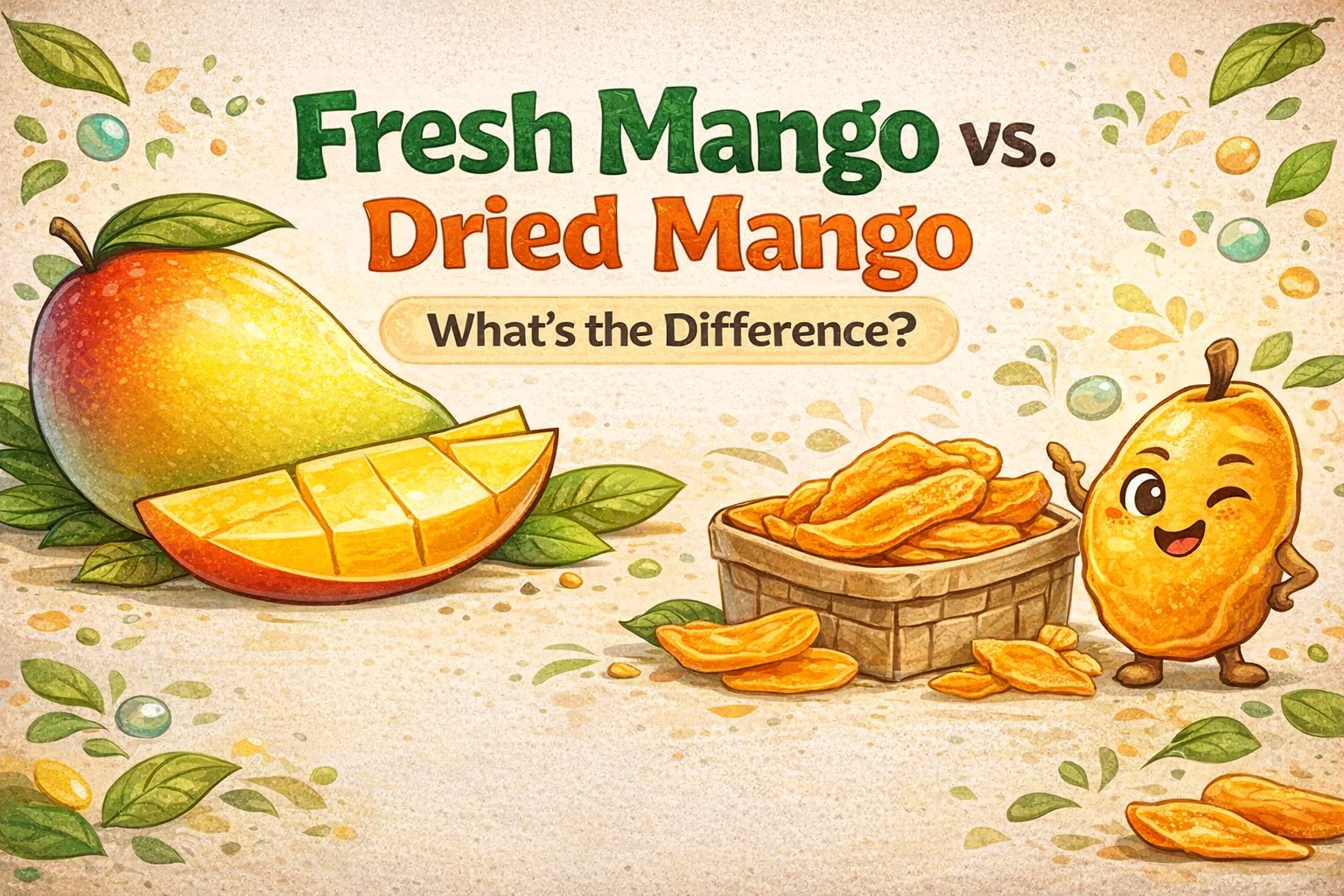
Mangoes are often called the king of fruits, and for good reason. Their vibrant color, tropical aroma, and incredible sweetness make them a favorite globally. But when you are standing in the grocery aisle or browsing your favorite health food store, you are often faced with a choice: the heavy, juicy fresh mango or the chewy, concentrated dried version. While they both come from the same tree, they offer vastly different experiences for your body and your palate.
Deciding between fresh and dried mango is not just about taste. It is about understanding how processing changes the nutritional density, the sugar concentration, and the way your body processes energy. Whether you are looking for a post-workout recovery snack, a refreshing summer treat, or a portable hiking companion, knowing the specifics of each can help you stay on track with your wellness goals while still indulging in one of nature’s best flavors.
The Anatomy of a Fresh Mango: Pure Hydration and Fiber
A fresh mango is a powerhouse of hydration. Because it is roughly 80 percent water, eating a fresh mango contributes significantly to your daily fluid intake. This high water content is what gives the fruit its signature refreshing quality, especially during warm weather. When you bite into a ripe, fresh mango, you are getting a balanced delivery of vitamins and minerals in their most natural state.
One of the primary benefits of the fresh variety is its volume. Because of the water and fiber, a cup of fresh mango slices is quite filling despite being relatively low in calories. This makes it an ideal choice for weight management. You can eat a satisfying portion without over-consuming energy. The fiber in fresh mango also plays a crucial role in slowing down the absorption of its natural sugars, preventing the sharp insulin spikes often associated with processed sweets.
Nutritional Highlights of Fresh Mango
- High Vitamin C Content: A single serving can provide nearly 70 percent of your daily requirement, supporting a healthy immune system.
- Rich in Vitamin A: Essential for eye health and skin regeneration.
- Digestive Enzymes: Contains amylases, which help break down large food molecules, aiding in smoother digestion.
- Low Energy Density: You get more food for fewer calories, which helps with satiety.
The Transformation: What Happens When Mango is Dried
The process of drying a mango involves removing almost all of its water content. This dehydration results in a much smaller, more chewy product, but it also concentrates everything else inside the fruit. While the vitamins and minerals remain largely intact, the calories and sugars are packed into a much smaller volume. This is why a small handful of dried mango can contain the same amount of sugar as an entire large fresh mango.
Dried mango is the ultimate convenience food. It does not require peeling, it does not make a mess, and it has a shelf life that lasts months rather than days. However, this convenience comes with a need for mindfulness. Because the water is gone, the signal to your brain that you are full often arrives much later than it would if you were eating the fresh fruit. It is incredibly easy to eat the equivalent of three or four mangoes in one sitting when they are dried and bagged.
Calories and Sugar: A Side by Side Comparison
When we look at the numbers, the difference is striking. Fresh mango typically contains about 60 to 70 calories per 100 grams. In contrast, dried mango can jump to over 300 calories for that same weight. This does not mean dried mango is bad, but it does mean that the serving size needs to be much smaller to maintain the same caloric intake.
Sugar concentration is another major factor. In fresh mango, the sugars are diluted by water and paired with structural fiber. In dried mango, the sugar is concentrated. Furthermore, many commercial brands add extra cane sugar or syrups during the drying process to enhance flavor and preserve color. This turns a natural fruit snack into something closer to a confection. Always check the ingredient label for added sweeteners if you are trying to keep your diet clean.
Comparison Table: Fresh vs. Dried (Per 100g)
To put things in perspective, let us look at how the density changes during the dehydration process.
- Fresh Mango: ~60 Calories | ~14g Sugar | 83% Water
- Dried Mango: ~320 Calories | ~60g+ Sugar | 10% Water
Health Benefits: Beyond the Calories
Both versions of this tropical fruit offer significant health benefits. Mangoes are rich in polyphenols, which are plant compounds that act as antioxidants. These compounds help protect your cells against radical damage linked to aging and chronic diseases. Mangiferin, often called a super antioxidant, is particularly abundant in mangoes and has been studied for its potential to support heart health and reduce inflammation.
Fresh mango is particularly beneficial for those looking to improve their skin health from the inside out. The combination of high water content and Vitamin C helps with collagen production, keeping skin firm and glowing. On the other hand, dried mango is a fantastic source of quick energy. For athletes or people with high-energy demands, the concentrated carbohydrates in dried mango provide a fast-acting fuel source that is easy to digest during activity.
Best Uses for Fresh Mango in Your Routine
Fresh mango is versatile and thrives in recipes where its juiciness can shine. It is a staple in smoothies, providing a creamy texture without the need for dairy. It also works beautifully in savory dishes. A fresh mango salsa with red onions, cilantro, and lime juice is a perfect topper for grilled fish or chicken, adding a burst of vitamins and a sweet contrast to salty flavors.
If you struggle with staying hydrated, adding fresh mango to your breakfast is a great strategy. Since it is gentle on the digestive tract, it is an excellent fruit to eat on an empty stomach in the morning. It provides a natural wake-up call for your metabolism without the heavy load of a processed breakfast pastry.
When to Reach for Dried Mango
Dried mango has a specific place in a healthy lifestyle, primarily centered around portability and longevity. If you are traveling, hiking, or need a desk snack that won’t rot in your bag, dried mango is a winner. It provides a chewy texture that can satisfy cravings for gummy candies or other sugary treats while still providing fiber and vitamins.
To use dried mango effectively, treat it as a topping rather than the main event. Chopping up a single slice of dried mango and adding it to a bowl of plain Greek yogurt or oatmeal can provide enough sweetness for the entire meal without overdoing the sugar. This allows you to enjoy the concentrated flavor while the protein and fat in the yogurt help stabilize your blood sugar response.
Quick Tips for Buying Dried Mango
- Look for Unsweetened: The only ingredient should be mango.
- Check for Sulfites: Some brands use sulfur dioxide to keep the fruit bright orange. If you have sensitivities, look for organic, unsulfured versions which will be darker in color.
- Portion Control: Divide a large bag into smaller containers immediately after buying to avoid mindless snacking.
Impact on Blood Sugar and Energy Levels
For individuals monitoring their glucose levels, the distinction between fresh and dried is vital. The glycemic index of fresh mango is considered moderate. Because of the water and natural fiber, the glucose enters the bloodstream at a manageable pace. This provides a steady stream of energy rather than a spike followed by a crash.
Dried mango has a higher glycemic load. Because the sugar is so concentrated and the volume is low, it is much easier to consume a large amount of sugar in a short period. If you are sensitive to sugar crashes, it is best to pair dried mango with a handful of nuts. The healthy fats and proteins in the nuts will slow down the digestion of the fruit sugars, leading to more stable energy levels throughout the afternoon.
Practical Tips for Everyday Enjoyment
Incorporating more mango into your life does not have to be complicated. If you find fresh mangoes difficult to peel, try the hedgehog method. Cut the two large cheeks off the pit, score the flesh into a grid without cutting through the skin, and then push the skin side up to pop the cubes out. This makes it easy to eat or toss into a salad.
For dried mango enthusiasts, try making your own at home if you have a dehydrator or an oven with a low-temperature setting. This ensures there are no hidden sugars or preservatives. Simply slice the mango thin and dry it at 135 degrees Fahrenheit for about 8 to 12 hours. The result is a healthy, chewy snack that tastes exactly like the fresh fruit but lasts much longer.
Conclusion: Finding the Right Balance
There is no need to crown a single winner in the battle of fresh versus dried mango. Both have a legitimate place in a balanced, health-conscious diet. The fresh mango is your go-to for daily nutrition, hydration, and volume. It is a refreshing way to get your vitamins while keeping your calorie count in check. It is the ultimate summer fruit that supports your body from your skin to your digestive system.
The dried mango is your secret weapon for convenience and quick energy. It serves as a great alternative to processed snacks and provides a burst of tropical flavor whenever you need it most. By being mindful of portion sizes and checking labels for added sugars, you can enjoy the concentrated benefits of dried fruit without compromising your health goals. Whether you prefer the juicy drip of a fresh slice or the satisfying chew of a dried one, the mango remains one of the most nutritious and delicious ways to fuel your journey toward wellness.
Would you like me to generate a specific recipe using either fresh or dried mango to go along with this post?