Deficiency to Vitality Essential Nutrients for Common Health Issues Natural Wellness
Have you ever felt like your body was speaking a language you couldn’t quite translate? For many of us, the modern approach to health feels like a constant game of whack-a-mole. We experience a symptom, we label it as a permanent condition, and we often resign ourselves to a life of simply managing the “disease.” But what if the narrative we have been told is incomplete? What if, instead of being fundamentally broken or diseased, your body is simply screaming for the raw materials it needs to function? The concept that we are not diseased, but rather depleted, is a radical shift in perspective that puts the power of healing back into your hands.
The human body is an incredibly sophisticated biological machine. Much like a high-performance engine requires specific fuel, oils, and coolants to run smoothly, our biological systems require a precise symphony of vitamins, minerals, fatty acids, and amino acids. When these levels drop below a critical threshold, the “engine light” comes on in the form of symptoms. In this guide, we are going into a deep dive of the visual roadmap of depletion to understand how specific deficiencies manifest as common health struggles and, more importantly, how you can start replenishing your internal reserves today.
Understanding the Shift From Disease to Depletion
In conventional settings, the focus is often on the diagnosis. While a diagnosis is a useful tool for categorization, it does not always address the root cause of why the dysfunction started in the first place. When we look through the lens of depletion, we start to see that many chronic issues are actually long-term deficiency states that have reached a tipping point. Soil depletion, processed food diets, high stress levels, and environmental toxins all drain our mineral and vitamin “bank accounts” faster than we can deposit into them.
The Role of Trace Minerals and Micronutrients
Most people are aware of the big players like Vitamin C or Calcium, but the real magic happens in the world of trace minerals and micronutrients. These act as co-factors for thousands of enzymatic reactions. Without enough zinc, your skin cannot repair itself. Without enough magnesium, your nervous system cannot find the “off” switch. When you see a list of symptoms, try to view them as a customized shopping list for your cells.
Skin Health and the Internal Reflection
Our skin is our largest organ and often the first place where internal depletion shows up. Because the body prioritizes vital organs like the heart and liver, the skin is often the last to receive nutrients when supplies are low. This is why “surface level” problems almost always have an internal root.
Acne and Eczema
If you are struggling with persistent acne, your body might be low on zinc and Vitamin A. Zinc is essential for wound healing and controlling inflammation, while Vitamin A regulates cell turnover. Similarly, eczema is frequently tied to a lack of Essential Fatty Acids (EFAs). These healthy fats create the moisture barrier that keeps irritants out. When you are depleted of omega 3s, that barrier crumbles, leading to the itchy, red patches we associate with skin conditions.
Psoriasis and Varicose Veins
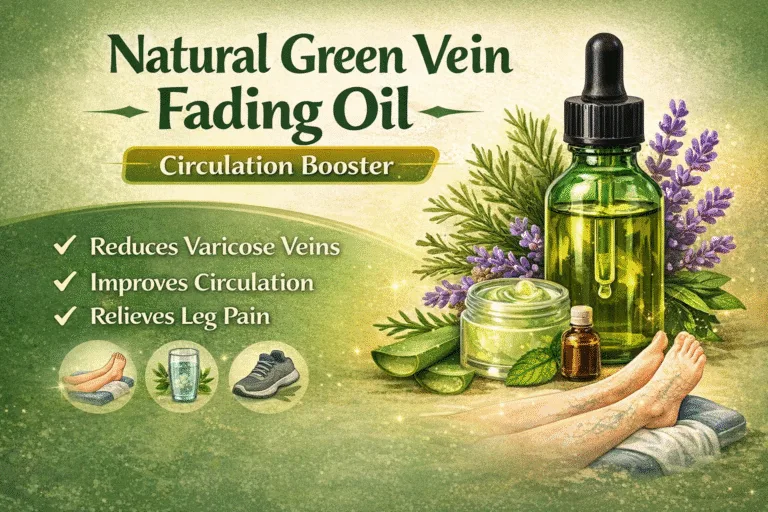
Psoriasis is often a sign that the body is low on Vitamin D and specific minerals for skin healing. On the other hand, structural issues like varicose veins point toward a depletion of Vitamin C and bioflavonoids. Vitamin C is the primary building block for collagen, which gives your veins the elasticity they need to pump blood back to the heart against gravity. Without it, the “pipes” become brittle and lose their shape.
The Mental Health Connection: Nutrients for the Brain
One of the most overlooked aspects of mental health is the nutritional status of the brain. Our neurotransmitters, the chemical messengers that control mood, focus, and sleep, are built directly from the nutrients we consume. If the raw materials aren’t there, the brain cannot produce the “feel-good” chemicals we need.
Anxiety, Panic Attacks, and Depression
Magnesium is often called the original chill pill. It is responsible for over 300 biochemical reactions, many of which involve calming the nervous system. If you experience panic attacks or chronic anxiety, you may be severely depleted of magnesium and B vitamins. Depression, meanwhile, has strong links to B6, B12, and omega 3 fatty acids. These nutrients are required to build serotonin and dopamine. When you are depleted, your brain’s “wiring” struggles to maintain a positive baseline.
ADHD and Brain Fog
Struggling to focus or feeling like you are living in a mental haze? Brain fog is frequently a sign of B vitamin and electrolyte depletion. These are the spark plugs of your cells. For those with ADHD-like symptoms, a focus on protein, omega 3s, and magnesium can provide the structural support the brain needs to filter out distractions and maintain steady energy levels.
Energy, Fatigue, and the Mitochondrial Battery
Chronic fatigue is one of the most common complaints in modern society. We often reach for caffeine to mask the tiredness, but caffeine only borrows energy from the future; it doesn’t actually replenish it. True energy comes from the mitochondria, the power plants inside your cells.
The Root of Chronic Fatigue
To produce ATP (energy), your mitochondria need a constant supply of B vitamins, CoQ10, and magnesium. If you are depleted of these, it doesn’t matter how much sleep you get; you will still wake up feeling exhausted. It is like trying to start a car with a dead battery. By replenishing these specific nutrients, you are effectively “recharging” your cellular battery.
Anemia and Thyroid Health
Sometimes the fatigue is structural. Anemia, for instance, isn’t just about iron. It requires B12, copper, and folate to create healthy red blood cells that carry oxygen to your tissues. Similarly, your thyroid (the master of metabolism) cannot function without selenium and iodine. Hypothyroidism is often just a fancy way of saying your thyroid is starving for the minerals it needs to create hormones.
Digestive Health and Hormone Balance
If your gut isn’t working, nothing else will. Nutrient absorption happens in the digestive tract, so if you are depleted of the things that help you digest, you enter a vicious cycle of further depletion.
Bloating, Gallstones, and Leaky Gut
Bloating is often a sign that you are low on digestive enzymes or bile salts. Without these, your food sits and ferments instead of breaking down. Leaky gut, which triggers many autoimmune issues, is a sign that the intestinal lining is depleted of zinc and L-glutamine. These nutrients act as the “sealant” for your gut wall.
PCOS and Endometriosis
Hormonal conditions like PCOS and Endometriosis are deeply tied to mineral balance. Chromium and zinc are essential for insulin signaling and hormone regulation. When we are depleted of antioxidants and minerals, the body struggles to detoxify excess hormones, leading to the imbalances that cause pain and reproductive challenges.
Shutterstock
Explore
The Structural Pillars: Bones and Joints
As we age, we are told that “wear and tear” is inevitable. While some aging is natural, many joint and bone issues are actually the result of the body “mining” its own structural reserves because the diet isn’t providing enough minerals.
Osteoporosis and Arthritis
Osteoporosis is not just a calcium deficiency. It is often a depletion of Vitamin D, K2, and magnesium. Without K2, calcium can end up in your arteries instead of your bones. Arthritis, characterized by inflammation and pain, is a signal that your body lacks collagen and anti-inflammatory nutrients to repair the connective tissues. By flooding the body with these building blocks, we can support the natural repair cycles of the joints.
How to Start Your Replenishment Journey
Recognizing that you are depleted is the first step toward true vitality. But how do you actually fix it? It isn’t as simple as grabbing a random multivitamin from the grocery store. It requires a thoughtful, multi-angled approach to restore your internal balance.
1. Prioritize Bioavailable Foods
The best way to get minerals is through food that the body recognizes. Focus on organ meats for B12 and iron, wild-caught fish for omega 3s, and a wide variety of colorful vegetables for antioxidants and phytonutrients. Bone broth is an incredible source of collagen and minerals for gut and joint health.
2. Focus on Mineral-Rich Water
Many people drink filtered water that has had all the minerals removed. Adding a pinch of high-quality sea salt or trace mineral drops to your water can help rehydrate your cells on a deeper level and provide the electrolytes needed for nerve signaling.
3. Manage Stress Levels
Stress is the ultimate nutrient thief. When you are in “fight or flight” mode, your body burns through magnesium and B vitamins at an accelerated rate. Practices like deep breathing, spending time in nature, and prioritizing sleep help preserve your nutrient stores.
4. Targeted Supplementation
If you have been depleted for a long time, food alone might not be enough to move the needle quickly. Working with a practitioner to identify your specific gaps through blood or hair tissue mineral analysis can help you choose the right supplements to bridge the gap efficiently.
Conclusion: Your Body Wants to Heal
The most important thing to remember is that your body is always on your side. Every symptom, from a migraine to a skin rash, is a communication. When we move away from the “disease” mindset and embrace the “depleted” mindset, we stop fighting our bodies and start supporting them. You are not a collection of broken parts; you are a complex ecosystem that simply needs the right environment and the right ingredients to thrive.
Start small. Pick one area where you feel the most “depleted” and focus on adding in the nutrients your body is asking for. Over time, these small deposits into your health bank account will compound, leading to a level of energy and clarity you might have thought was gone forever. Your journey to wellness doesn’t have to be about fighting a disease; it can be about nourishing a life.
Would you like to learn more about specific food sources for these nutrients or how to test your mineral levels at home? Let us know in the comments below!