Boost Reset Your Energy Health Facts Printable
In our fast paced digital world, it is incredibly easy to feel like your mental battery is perpetually sitting at five percent. We juggle notifications, work deadlines, and social obligations until our brains feel cluttered and sluggish. But what if you could hit a literal reset button on your cognitive function? The good news is that your brain is remarkably plastic and responsive to environmental changes. By intentionally engaging in specific lifestyle shifts, you can clear the mental fog and sharpen your focus. This guide explores the most effective, science backed ways to boost your brainpower and reset your internal systems for peak performance.
The Science of Brain Resets
To understand how to reset the brain, we first have to look at how it gets overloaded. Between constant blue light exposure and the dopamine loops of social media, our neurological pathways are often overstimulated. This constant state of high alert leads to mental fatigue, poor decision making, and even increased stress levels. When we talk about a brain reset, we are referring to the process of quieting the overactive parts of our neural network and allowing our natural systems to restore balance. This can be achieved through both external shifts, like spending time in nature, and internal practices, like mindfulness and focused breathing.
Neuroplasticity and You
The concept of neuroplasticity is central to our ability to reset and improve our brain function. Your brain is not a static organ; it is constantly reshaping itself based on your experiences and habits. When you introduce new, positive behaviors—like learning a new skill or traveling to an unfamiliar place—you are literally building new neural pathways. These new connections improve cognitive flexibility and make it easier to handle stress in the future. By consistently practicing brain boosting habits, you are not just clearing today’s mental clutter, you are actually making your brain more resilient for the long term.
Immediate Brain Boosters: Quick Wins for Mental Clarity
Sometimes you do not have the luxury of a week long vacation or a full digital detox. In those moments, you need quick, effective strategies to clear the cobwebs and get back into the zone. These immediate boosters focus on physical and sensory shifts that can rapidly alter your brain state.
The Power of Deep Breathing
It sounds simple, but the way you breathe has a profound effect on your nervous system. When we are stressed, our breathing becomes shallow and rapid, signaling to the brain that we are in danger. By consciously slowing down and taking deep, diaphragmatic breaths, you activate the parasympathetic nervous system. This is the rest and digest part of your brain that lowers cortisol and brings a sense of calm. A few minutes of focused breathing can reset your brain from a state of panic to a state of peace, allowing you to approach your tasks with a clear mind.
Hydration as a Cognitive Foundation
Did you know that even mild dehydration can significantly impair your brain function? Your brain is made of approximately 75 percent water, and it needs a constant supply to maintain concentration and memory. If you are feeling sluggish, a large glass of water might be the most effective brain reset available. Proper hydration ensures that oxygen and nutrients are efficiently delivered to your brain cells, keeping your mental gears turning smoothly. Making it a habit to sip water throughout the day is one of the simplest and most overlooked ways to maintain peak cognitive performance.
Stretching and Movement
Sitting in one position for hours on end can lead to physical tension and mental stagnation. When you stretch, you increase blood flow to your entire body, including your brain. This surge of oxygenated blood helps to clear metabolic waste and provides a quick energy boost. Even a simple five minute stretching routine can reset your focus and alleviate the physical stress that often leads to mental fatigue. Try to incorporate short movement breaks into your day to keep both your body and your mind limber.
Restorative Habits: Resetting Your Brain Through Rest
While quick wins are great for a temporary boost, long term brain health requires deep, restorative practices. These habits focus on allowing the brain to recover and rebuild on a fundamental level.
The Essential Role of Deep Sleep
Sleep is the ultimate brain reset. While you are sleeping, your brain’s glymphatic system goes to work, essentially flushing out the toxic proteins that build up during your waking hours. This nightly cleaning process is crucial for preventing cognitive decline and maintaining sharp focus. Deep sleep, in particular, is when your brain consolidates memories and processes information from the day. Without enough high quality sleep, your brain is essentially trying to function while full of clutter. Prioritizing a consistent sleep schedule is the single most important thing you can do for your cognitive health.
Meditation and Silence
In a world filled with constant noise, silence is a luxury that your brain desperately needs. Meditation provides a structured way to access this silence and train your mind to stay present. By practicing mindfulness, you learn to observe your thoughts without being swept away by them. This reduces the activity in the brain’s default mode network, which is often associated with mind wandering and rumination. Regular meditation has been shown to increase grey matter density in areas of the brain responsible for learning and memory, making it a powerful tool for long term mental reset.
Journaling for Mental Decluttering
If your brain feels like a browser with too many tabs open, journaling is the way to close them. Putting your thoughts on paper allows you to externalize the internal chatter that is draining your mental energy. Whether it is a daily gratitude practice or a brain dump of everything on your to do list, writing things down helps your brain organize information more effectively. This process of mental decluttering reduces anxiety and frees up cognitive resources for more important tasks. It is a simple yet incredibly effective way to reset your mental state before bed or at the start of a new day.
Connecting with the World: Social and Environmental Resets
Our brains do not exist in a vacuum. They are deeply influenced by our surroundings and our relationships. Engaging with the world in meaningful ways can provide a powerful reset that you cannot get from internal practices alone.
Nature and Forest Walking
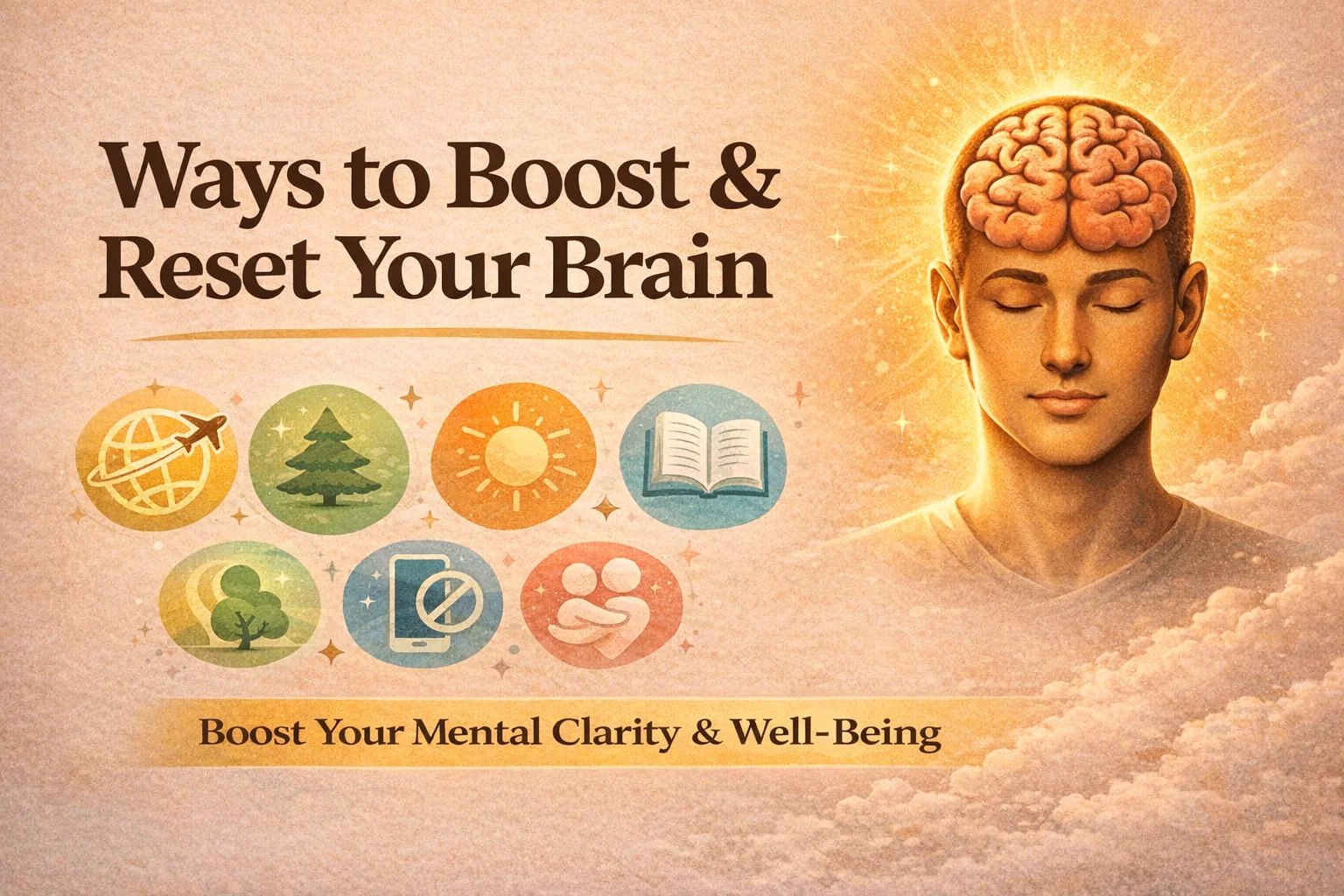
There is something inherently calming about being surrounded by greenery. Spending time in nature, often called forest bathing, has been scientifically proven to lower heart rate and reduce stress hormones. The fractal patterns found in nature—like the veins in a leaf or the branches of a tree—are naturally soothing to the human eye. Walking through a forest or even a local park allows your brain to shift into a state of soft fascination, where you are effortlessly engaged with your surroundings. This gentle reset is incredibly effective for combating the mental fatigue caused by urban environments and screen time.
The Importance of Community
Humans are social creatures, and our brains are wired for connection. Isolation can lead to increased stress and cognitive decline, whereas strong social ties support brain health. Engaging with a supportive community provides a sense of belonging and security that calms the brain’s alarm systems. Whether it is a shared hobby, a volunteer group, or simply catching up with friends, these social interactions provide a unique form of mental stimulation and emotional support. Laughter, in particular, is a powerful brain reset that releases endorphins and instantly boosts your mood.
Travel and New Experiences
Traveling expands your brain by forcing it to adapt to new environments and cultures. When you are in an unfamiliar place, your brain has to work harder to process information and solve problems. This increased demand stimulates the growth of new neural connections and improves cognitive flexibility. Travel does not have to mean a trip across the globe; even visiting a new neighborhood or trying a new activity can provide the same benefits. The key is to step outside of your comfort zone and give your brain something fresh to process.
Digital Detox: Resetting in the Information Age
Our digital devices are both a blessing and a curse. While they provide incredible access to information, they also create a constant stream of distractions that can overwhelm the brain. A digital detox is essential for resetting your attention span and reducing mental clutter.
Phone Detoxing and Screen Limits
The constant urge to check your phone is a symptom of a brain that is hooked on dopamine. Every notification and scroll provides a small hit of pleasure that keeps you coming back for more. Over time, this constant stimulation can shorten your attention span and make it difficult to focus on deep work. By setting firm boundaries on your phone usage—like keeping it in another room while you work or during meals—you give your brain a chance to disconnect. A phone detox allows your mind to rest and refocus on the physical world around you.
Finding Peace in Silence
Beyond just digital noise, we are surrounded by constant auditory stimulation. Silence is more than just the absence of sound; it is a vital state that allows for deep reflection and mental clarity. Studies have shown that even two minutes of silence can be more relaxing than listening to calming music. It gives the brain’s auditory processing centers a much needed break and allows your thoughts to settle. Making time for intentional silence each day—even if it is just during your commute or while doing dishes—can significantly improve your mental well being.
Fueling the Brain: Nutrition and Hydration
What you put into your body directly impacts how your brain functions. A brain reset often requires a look at your dietary habits and ensuring that you are providing the right nutrients for cognitive health.
Brain Boosting Foods
The brain is a high energy organ that requires a steady supply of vitamins, minerals, and healthy fats. Omega 3 fatty acids, found in fatty fish, walnuts, and flaxseeds, are essential for maintaining the structure of brain cells. Antioxidant rich foods like blueberries and leafy greens help protect the brain from oxidative stress and inflammation. Additionally, complex carbohydrates provide a slow and steady release of glucose, which is the brain’s primary fuel source. By focusing on whole, nutrient dense foods, you are giving your brain the raw materials it needs to function at its best.
The Power of Music and Art
Engaging with the arts is a fantastic way to stimulate different parts of your brain. Music, in particular, has a profound influence on our emotions and cognitive function. Listening to music can improve focus, enhance memory, and even reduce pain perception. Creating art, whether it is painting, writing