Superfood Benefits of Chia Seeds Why You Need Them for Your Health and Wellness Routine
If you are looking for a tiny addition to your diet that packs a massive nutritional punch, look no further than the mighty chia seed. Often relegated to the back of the pantry or remembered only for those quirky sprouted pets of the nineties, these small, obsidian like seeds are actually one of the most nutrient dense foods on the planet. Derived from the desert plant Salvia hispanica, chia seeds were a staple for ancient Aztecs and Mayans, valued for their ability to provide sustainable energy. In fact, the word chia is the ancient Mayan word for strength. Today, they have reclaimed their status as a modern day superfood, and for very good reason.
The Incredible Nutritional Profile of Chia Seeds
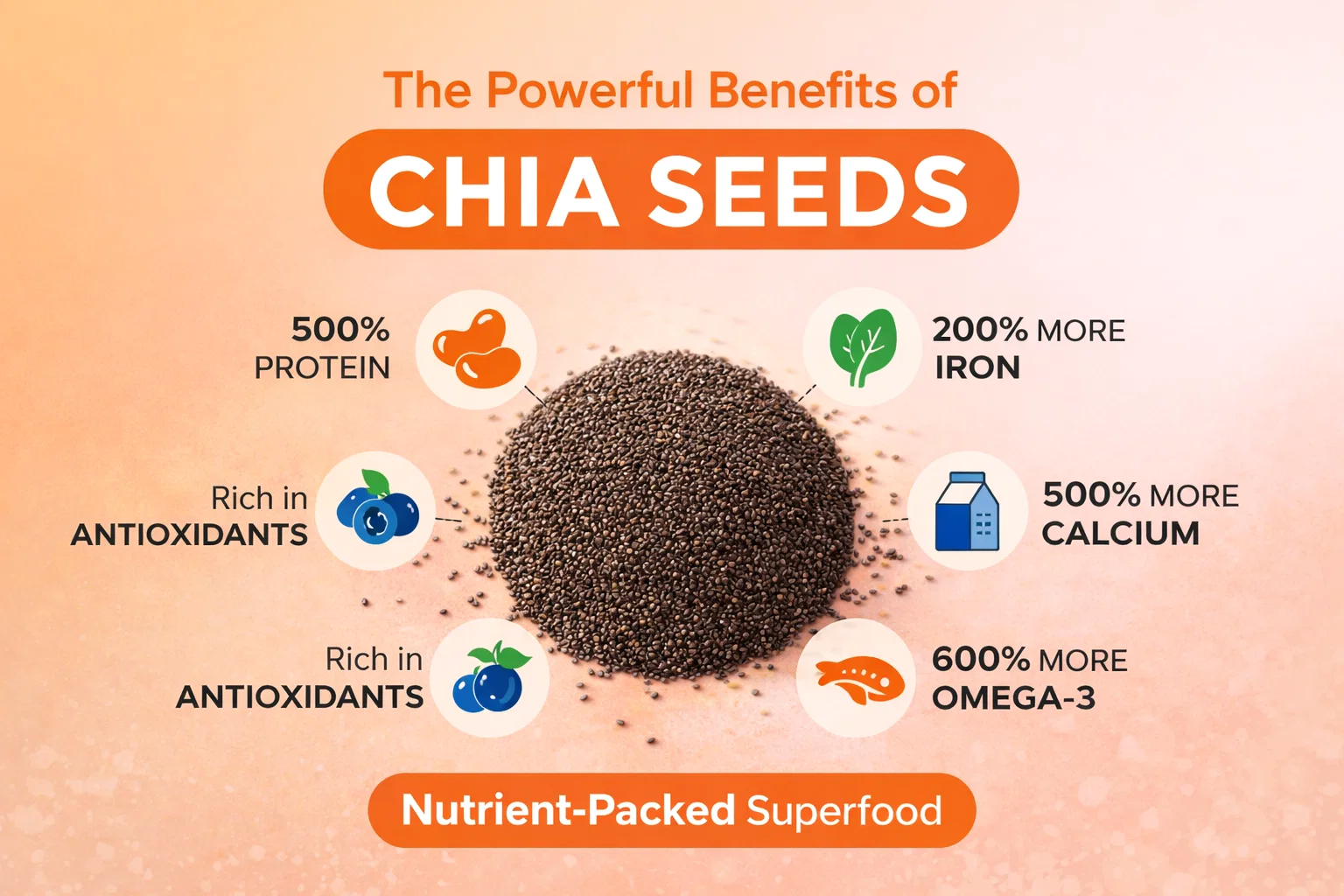
When we look at the comparison of chia seeds to other common health foods, the statistics are nothing short of staggering. As the image suggests, these seeds are not just a source of fiber; they are a multi-faceted nutritional powerhouse. For instance, did you know that gram for gram, chia seeds contain 500 percent more protein than beans? While beans are often the go-to for plant based protein, chia seeds provide a complete protein profile, meaning they contain all nine essential amino acids that the human body cannot produce on its own.
Furthermore, their mineral content is equally impressive. With 200 percent more iron than spinach and 500 percent more calcium than milk, they are an essential addition for anyone following a vegan or dairy free lifestyle. Iron is crucial for transporting oxygen in the blood, while calcium is the building block for strong bones and teeth. By incorporating just a couple of tablespoons of these seeds into your daily routine, you are effectively fortifying your body against deficiencies that are common in modern diets.
Heart Health and the Power of Omega 3
One of the most significant benefits of chia seeds is their high concentration of Omega 3 fatty acids. In fact, they contain 600 percent more Omega 3 than salmon, which is widely considered the gold standard for healthy fats. Omega 3s are vital for heart health as they help to reduce inflammation, lower cholesterol levels, and maintain healthy blood pressure.
Reducing Inflammation Naturally
Chronic inflammation is often the root cause of many modern ailments, including heart disease and arthritis. The alpha linolenic acid (ALA) found in chia seeds acts as a natural anti inflammatory agent. Unlike fish oil, which can sometimes carry a risk of heavy metal contamination or go rancid quickly, chia seeds provide a stable, plant based source of these essential fats that can be easily integrated into any meal without a fishy aftertaste.
Supporting Brain Function
Your brain is composed of about 60 percent fat, and it requires high quality fats to function optimally. The Omega 3s in chia seeds support cognitive function, memory, and mood regulation. Regularly consuming these seeds can help keep your mind sharp and may even provide a protective effect against neurodegenerative issues as you age.
Digestive Health and the Fiber Factor
If you struggle with digestive regularity or feel hungry shortly after eating, fiber is likely the missing piece of your puzzle. Chia seeds contain 100 percent more fiber than a banana. Because they are so high in soluble fiber, they can absorb up to 10 to 12 times their weight in water, turning into a gel like substance in your stomach. This process is beneficial for several reasons.
- Slower Digestion: The gel slows down the conversion of carbohydrates into sugar, providing a steady release of energy rather than a sudden spike and crash.
- Improved Regularity: Fiber acts like a broom for your digestive tract, helping to keep things moving smoothly and supporting a healthy gut microbiome.
- Weight Management: Because they expand in your stomach, chia seeds help you feel fuller for longer, which can naturally reduce your overall calorie intake throughout the day.
Antioxidants: Your Body’s Natural Defense System
We often hear about blueberries being the ultimate source of antioxidants, but the image reveals a surprising truth: chia seeds actually contain more antioxidants than blueberries. Antioxidants are molecules that fight free radicals in your body. Free radicals are unstable atoms that can damage cells, leading to aging and diseases like cancer.
The specific antioxidants in chia seeds, such as quercetin, kaempferol, and chlorogenic acid, are known for their protective effects on the heart and liver. They also have anti aging properties that benefit your skin, helping to maintain a youthful glow and protecting against environmental damage from UV rays and pollution.
How to Incorporate Chia Seeds into Your Daily Routine
The best part about chia seeds is their versatility. They have a very mild, slightly nutty flavor that doesn’t overpower other ingredients, making them the perfect addition to both sweet and savory dishes. Here are a few easy ways to start using them today.
1. The Classic Chia Pudding
This is perhaps the most popular way to enjoy these seeds. Simply mix three tablespoons of chia seeds with one cup of your favorite milk (almond, coconut, or oat work great). Add a splash of vanilla extract and a drizzle of maple syrup, then let it sit in the fridge overnight. By morning, you will have a thick, creamy pudding that tastes like dessert but is healthy enough for breakfast.
2. Smoothie Booster
If you already enjoy a morning smoothie, toss in a tablespoon of chia seeds. They will blend right in and add a boost of protein and fiber without changing the taste of your favorite fruit blend. Just be sure to drink your smoothie fairly quickly, or it will start to thicken up!
3. Egg Replacement in Baking
For those who are vegan or have egg allergies, chia seeds are a lifesaver. You can make a chia egg by mixing one tablespoon of ground chia seeds with three tablespoons of water. Let it sit for five minutes until it becomes gelatinous. This mixture works perfectly as a binder in muffins, pancakes, and cookies.
Buying and Storing Your Superfood
When shopping for chia seeds, you will usually find two varieties: black and white. Nutritionally, there is very little difference between the two, so feel free to choose whichever you prefer. Black seeds are more common and provide a nice visual contrast in light colored foods like yogurt. White seeds are often preferred by those who want to hide the seeds in their cooking, such as in white bread or pale smoothies.
Because chia seeds are so rich in antioxidants, they have a remarkably long shelf life compared to other seeds like flax. They can stay fresh in a cool, dry pantry for up to two years. However, to maximize their nutritional potency, keeping them in an airtight container in the refrigerator is always a good idea.
Potential Side Effects and Considerations
While chia seeds are incredibly healthy, it is important to introduce them into your diet gradually, especially if you are not used to eating a lot of fiber. Consuming too much fiber too quickly can lead to bloating or gas. Always remember to drink plenty of water when eating chia seeds, as they need liquid to move through your system effectively.
Additionally, because they can lower blood pressure and act as a natural blood thinner due to the Omega 3 content, individuals on blood pressure or blood thinning medication should consult with a healthcare professional before making them a significant part of their daily diet.
A Small Seed with a Big Future
It is rare to find a food that is so easy to use and so densely packed with life changing nutrients. From supporting your heart and brain to clearing up your skin and aiding your digestion, the benefits of chia seeds are backed by both ancient wisdom and modern science. They are more than just a trend; they are a fundamental tool for anyone looking to optimize their health naturally.
Whether you are a busy professional looking for a quick energy boost or a parent trying to sneak more nutrition into your children’s meals, chia seeds offer a simple, affordable, and powerful solution. By making this one small change to your grocery list, you are investing in your long term wellness and vitality.
Conclusion
In a world full of complicated diets and expensive supplements, the simplicity of the chia seed is truly refreshing. It serves as a reminder that nature often provides exactly what we need in the smallest of packages. By comparing their nutritional value to staples like milk, spinach, and salmon, we can see just how much of a shortcut they are to reaching our daily health goals. So, next time you are at the store, grab a bag of these incredible seeds and start experimenting. Your body will thank you for the extra boost of strength and nutrition!
Would you like me to generate a series of 5-7 SEO-friendly meta descriptions for this WordPress post?