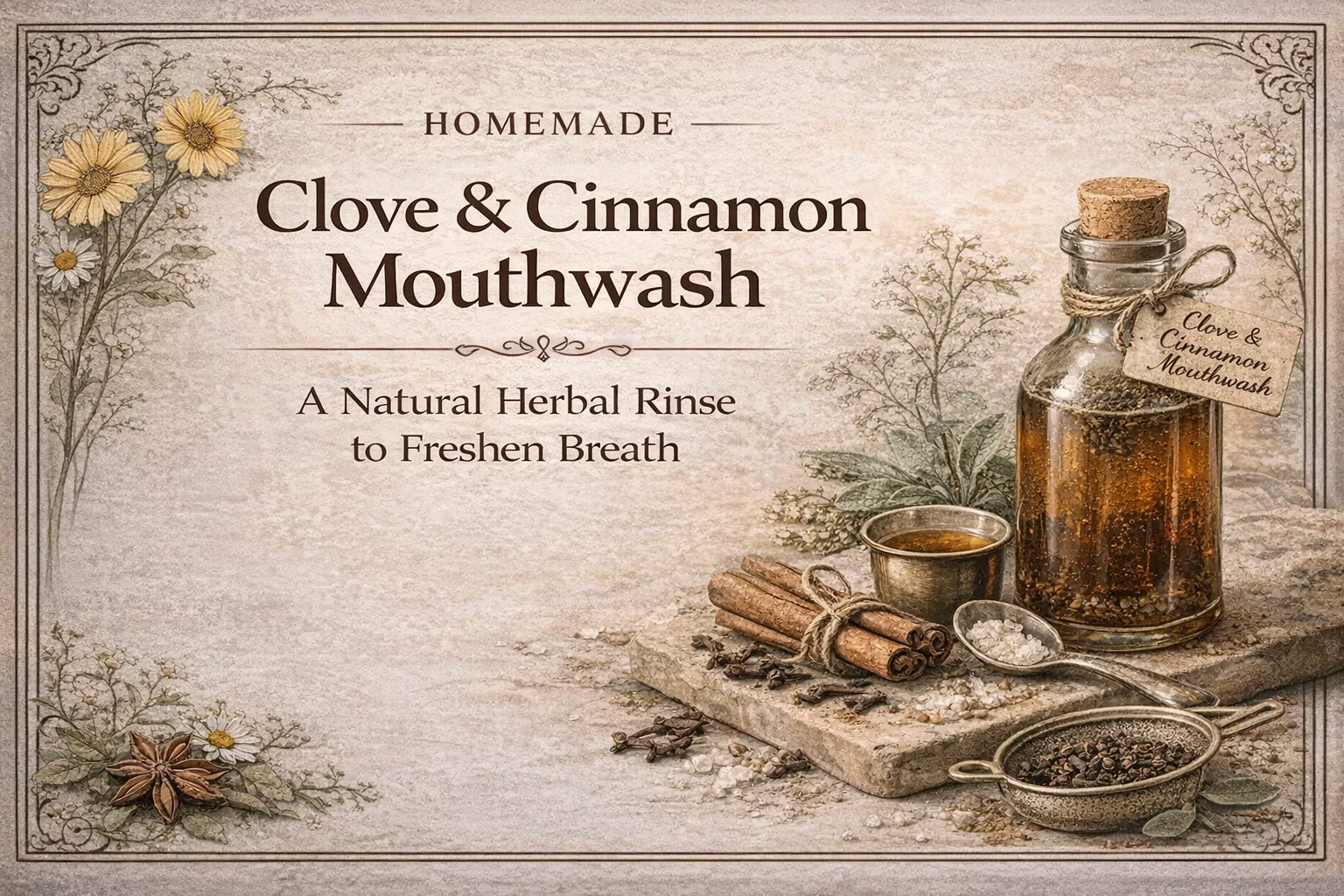
DIY Clove Cinnamon Mouthwash Recipe Natural Oral Care Herbal Apothecary Remedies
There is something undeniably magical about the transition from a modern, sterile bathroom routine to one that feels rooted in the wisdom of an old world apothecary. In a world where we often reach for neon blue, alcohol based mouthwashes that sting more than they soothe, returning to the simplicity of whole spices and dried herbs can be a revelation. This clove and cinnamon mouthwash is more than just a breath freshener. It is a warming, aromatic ritual designed to support gum comfort and oral health using ingredients you likely already have in your pantry. If you have ever felt that your mouth feels dry or irritated during the colder months, this herbal rinse is the gentle solution you have been looking for.
The Power of the Herbal Apothecary in Your Daily Routine
The concept of the herbal apothecary is built on the idea that nature provides the most potent tools for our wellness. When we look at ingredients like cloves, cinnamon, and sage, we are looking at plants that have been used for centuries across various cultures for their specific therapeutic properties. In the context of oral care, these herbs work in harmony to create an environment that is balanced and refreshed. Unlike commercial products that aim to kill every microbe in the mouth, an herbal rinse focuses on support and toning.
Using a homemade rinse allows you to control exactly what goes into your body. There are no artificial dyes, no synthetic sweeteners, and no harsh foaming agents. Instead, you get the direct infusion of essential oils and tannins found within the plant material. It turns a mundane task like brushing your teeth into a sensory experience that grounds you in the present moment.
Deconstructing the Ingredients: Why This Blend Works
To truly appreciate this recipe, we need to look at what each individual component brings to the jar. This is not just a random assortment of spices; it is a carefully balanced formula where each ingredient has a specific role to play in your oral microbiome.
Clove: The Warming Protector
Cloves are perhaps the most famous herb in the world of dentistry. Traditionally used to soothe occasional tooth discomfort, cloves contain a high concentration of eugenol. This compound is what gives cloves their distinct, numbing quality and their powerful aromatic profile. In this mouthwash, cloves act as a warming aromatic that supports oral comfort and leaves your breath smelling incredibly clean and spicy.
Cinnamon: Circulatory Support and Sweetness
Cinnamon sticks do more than just provide a nostalgic scent. Cinnamon is known for its ability to support healthy circulation. When used in a mouthwash, it helps to warm the tissues of the gums, promoting a healthy and vibrant feeling. It also adds a natural, woody sweetness to the rinse that balances the medicinal bite of the cloves and sage.
Sage: The Astringent Toner
If you have ever noticed that your gums feel a bit soft or sensitive, sage is your best friend. Sage is a classic astringent herb, meaning it helps to tighten and tone the tissues it comes into contact with. By including dried sage in this infusion, you are helping to support a balanced mouth environment and firm gum line. It provides an earthy undertone that rounds out the spice profile of the mouthwash.
Sea Salt: The Simple Saline Foundation
Sea salt is a staple in natural healing for a reason. A simple saline rinse is one of the oldest recommendations for maintaining oral hygiene. Salt helps to create an environment where unwanted bacteria struggle to thrive while remaining gentle on the delicate mucous membranes. It also acts as a natural preservative for the infusion itself.
How to Create Your Clove and Cinnamon Mouthwash
The beauty of this recipe lies in its simplicity. You do not need expensive lab equipment or a chemistry degree to be an apothecary in your own kitchen. All you need is a bit of time and a heat safe glass jar.
Step 1: The Infusion Prep
Start by gathering your dry ingredients. You will need one tablespoon of whole cloves and two cinnamon sticks. To get the most out of the cinnamon, give the sticks a light crush with a mortar and pestle or the back of a heavy spoon. This breaks the surface and allows the boiling water to penetrate the inner layers of the bark. Add one teaspoon of dried sage to the mix. Place all of these into your glass jar.
Step 2: The Steeping Process
Boil one cup of spring water. It is important to use high quality water as the minerals in tap water can sometimes interfere with the extraction of the herbal compounds. Pour the boiling water directly over your herbs and salt. Immediately cover the jar with a tight lid. This is a crucial step that many people miss. The “aromatic” part of these herbs comes from volatile oils that want to escape with the steam. By covering the jar, you force those oils back down into the liquid, ensuring a potent and effective mouthwash.
Step 3: Patience is Key
Let the mixture sit for at least four hours. If you want a truly deep and dark infusion, let it sit overnight on your counter. As the water cools, it will take on a rich, amber hue and the scent will become incredibly concentrated. You will know it is ready when the liquid is dark and the aroma is unmistakable.
Filtering and Storage for Maximum Freshness
Once your infusion has finished steeping, it is time to bottle it up. Use a fine mesh strainer or, better yet, a paper coffee filter to strain the liquid into a clean glass bottle. You want to remove all the solids to ensure the mouthwash stays smooth and does not continue to get overly bitter over time. Discard the spent herbs in your compost pile.
Because this recipe is completely natural and contains no alcohol or chemical preservatives, it does have a shelf life. Keep your bottle in the refrigerator. The cool temperature not only keeps the ingredients stable but also provides a refreshing contrast to the warming spices when you use it. Plan to use your batch within five to seven days for the best results. Small, fresh batches are always better than large, stale ones.
The Best Way to Incorporate This Rinse Into Your Routine
Using this mouthwash is a simple addition to your morning or evening hygiene. After brushing and flossing, take about one tablespoon of the chilled liquid. Swish it around your mouth vigorously, making sure it reaches every corner and moves through the gaps in your teeth. Gargle for about 30 seconds to let the sage and clove reach the back of the throat. Once you are finished, spit it out. Do not swallow the mixture, as it is intended for topical use only.
During the winter months when indoor heating can lead to “dry mouth,” using this rinse can be especially soothing. The warming nature of the spices helps to stimulate the mouth and provide a sense of comfort that standard mouthwashes simply cannot match.
Customizing Your Herbal Mouthwash
Once you have mastered the basic recipe, do not be afraid to experiment with other herbs from your garden or pantry. If you prefer a cooler sensation, you might add a few dried peppermint leaves to the infusion. If you are focused specifically on gum health, a small piece of dried myrrh resin can be a powerful addition. The world of herbalism is vast, and your mouthwash can evolve along with your needs and the changing seasons.
Final Thoughts on Natural Oral Wellness
Shifting toward a DIY mouthwash is a small but significant step in a holistic lifestyle. It is a reminder that we have the power to care for ourselves using the gifts that the earth provides. This Clove and Cinnamon Mouthwash is not just about having fresh breath; it is about taking a moment of your day to nourish your body with ingredients that are clean, effective, and soul warming. By spending a few minutes once a week to prepare this infusion, you are investing in your long term wellness and embracing the beautiful traditions of the apothecary garden. Your gums, your breath, and your peace of mind will thank you for the switch.
Give this recipe a try this week and see how much better your morning routine feels when it is infused with the scent of cinnamon and cloves. It is a simple luxury that makes a world of difference.
Would you like me to generate a specific list of other herbs you can swap into this recipe for different benefits?