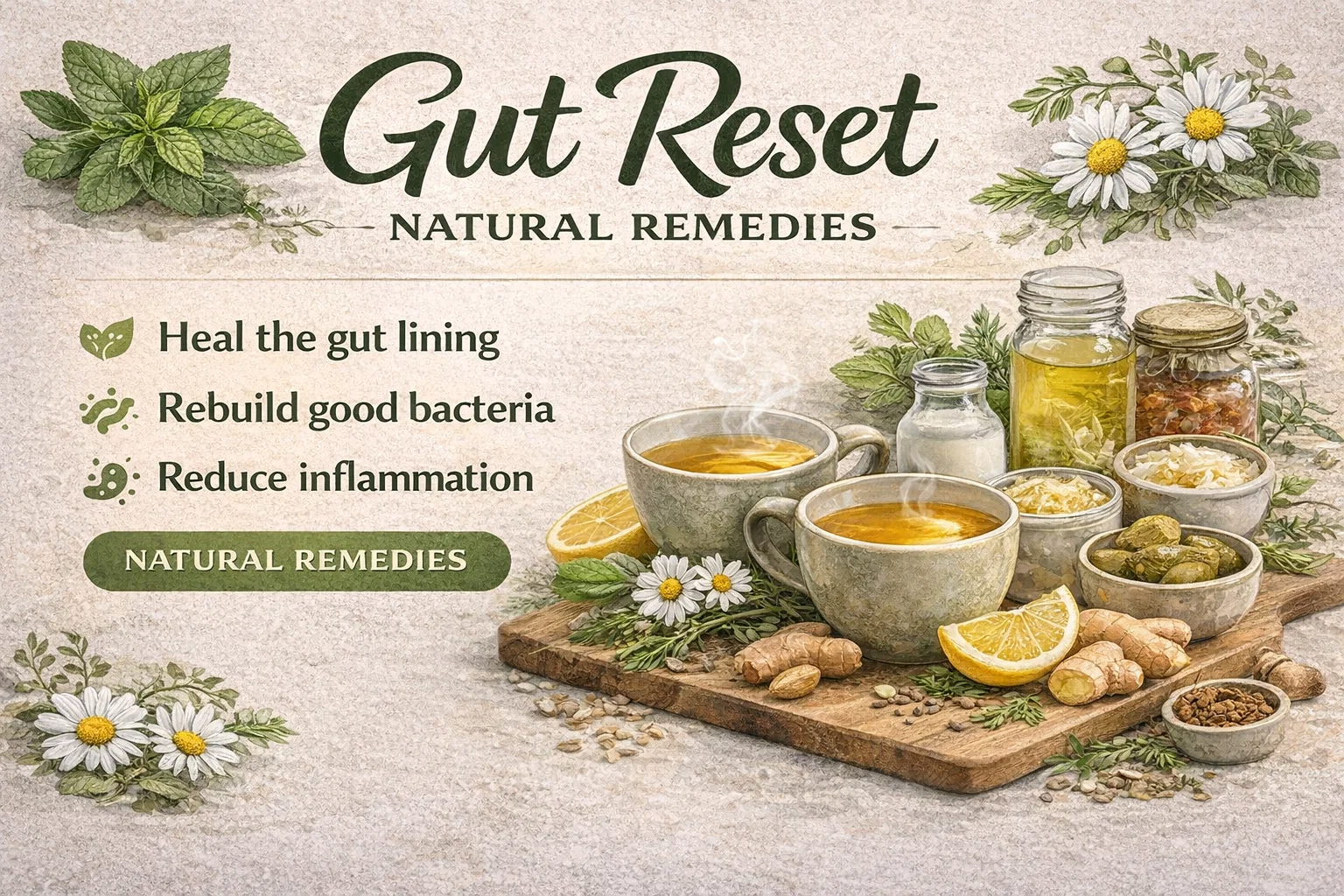
Ultimate Gut Reset Guide Natural Remedies for Healing and Digestive Health
Ever feel like your digestive system is running a marathon while you are just trying to sit through a meeting? We have all been there. Bloating, discomfort, and that general heavy feeling can really throw a wrench in your day. The good news is that your gut is incredibly resilient. It just needs the right tools to reset and repair itself. Today, we are diving deep into the world of natural gut healing, inspired by the ancient wisdom of herbalism and the modern science of the microbiome. This is not about a restrictive diet; it is about nourishing your body from the inside out and finding that perfect balance between what you eat and how you feel.
Understanding the Foundation: Healing the Gut Lining
The first step in any successful gut reset is addressing the physical barrier of your digestive tract. Think of your gut lining as a delicate filter. When it is healthy, it allows nutrients to pass through while keeping toxins and undigested food particles out. However, stress, processed foods, and environmental factors can wear this lining thin. To rebuild it, we look toward mucilaginous herbs that provide a soothing, protective coating.
The Power of Slippery Elm and Marshmallow Root
Slippery elm bark and marshmallow root are the heavy hitters of gut repair. When these herbs are mixed with water, they create a gel-like substance called mucilage. This gel coats the esophagus, stomach, and intestines, providing immediate relief from irritation. Slippery elm is particularly high in antioxidants that help soothe inflammatory bowel conditions. For marshmallow root, a cold infusion is actually the best way to extract those healing properties. Simply soak the root in room temperature water overnight to create a thick, healing tonic that feels like a hug for your insides.
Aloe Vera and Plantain Leaf: Nature’s Internal Band-Aids
Most people know aloe vera for sunburns, but the “inner fillet” of the aloe leaf is just as effective for internal inflammation. Drinking a small amount of pure, food-grade aloe vera juice can help reduce redness and swelling in the digestive tract. Similarly, plantain leaf (not the banana-like fruit, but the common garden herb) has been used for centuries to heal mucosal membranes. It is a gentle yet effective way to support the structural integrity of your gut.
Rebuilding Your Internal Ecosystem: Good Bacteria
Once you have started soothing the lining, it is time to focus on the residents: your gut microbiome. You have trillions of bacteria living inside you, and they influence everything from your mood to your immune system. But here is the secret that many people miss: you cannot just take a probiotic pill and expect magic. You have to feed those bacteria so they can thrive and multiply.
Probiotics vs. Prebiotics: The Dynamic Duo
Probiotics are the live beneficial bacteria found in fermented foods. When you eat things like sauerkraut, kimchi, or kefir, you are essentially “seeding” your gut with new workers. However, those workers will starve without prebiotics. Prebiotics are the non-digestible fibers found in foods like garlic, onions, and asparagus that act as fuel for your good bacteria. A successful gut reset focuses on both. Try adding a tablespoon of raw sauerkraut to your lunch or swapping your morning cereal for unsweetened yogurt topped with fiber-rich berries.
Fermented Favorites for Daily Rotations
- Sauerkraut and Kimchi: These fermented veggies are packed with Lactobacillus, which helps break down sugars and supports digestion.
- Kefir and Coconut Kefir: If you are dairy-sensitive, coconut kefir offers the same probiotic punch without the lactose.
- Fermented Pickles: Look for the ones in the refrigerated section labeled “naturally fermented” to ensure they contain live cultures.
Reducing Inflammation and Finding Flow
Inflammation is often the root cause of digestive distress. When your gut is inflamed, it cannot process nutrients efficiently, leading to “stagnation” or a slow digestive flow. Breaking this cycle requires a combination of anti-inflammatory herbs and gentle lifestyle shifts that encourage movement.
Spices That Soothe: Turmeric and Ginger
Turmeric is world-renowned for its anti-inflammatory properties, specifically due to a compound called curcumin. To unlock its full potential, always pair turmeric with a pinch of black pepper, which increases curcumin absorption by a staggering amount. Ginger, on the other hand, is a prokinetic, meaning it helps stimulate the muscles in your digestive tract to keep things moving. A warm cup of ginger and turmeric tea after a meal is one of the simplest and most effective habits you can adopt for long-term gut health.
Clearing the Path: Magnesium and Hydration
Sometimes, the “flow” just gets stuck. Magnesium glycinate or citrate can be a game-changer here. Magnesium helps relax the muscles in the intestinal wall, making it easier for waste to pass through. Additionally, incorporating “gel” fibers like soaked chia seeds or flaxseeds provides a gentle sweep through the colon. Starting your day with warm lemon water is another classic ritual that signals to your gallbladder and liver that it is time to start the day’s digestive work.
The Gut-Brain Connection: The Missing Piece of the Puzzle
You can eat all the kale and sauerkraut in the world, but if you are constantly stressed, your gut will struggle to heal. There is a direct physical link between your brain and your gut called the vagus nerve. When you are in “fight or flight” mode, your body diverts energy away from digestion. This is why many people experience stomach knots or digestive issues during high-stress periods.
Nervine Herbs for a Calm Belly
Nervines are herbs that specifically target the nervous system. Lemon balm and Holy Basil (Tulsi) are incredible for this. They help lower cortisol levels and signal to the body that it is safe to enter “rest and digest” mode. Drinking a cup of lemon balm tea in the afternoon can help bridge the gap between a hectic workday and a peaceful evening meal.
The Art of Mindful Eating
How you eat is just as important as what you eat. If you are rushing through a meal while scrolling on your phone, you are likely swallowing air and not chewing properly, which puts an immense strain on your stomach. Try these three simple steps to transform your digestion:
- Deep Breathing: Take three slow, deep breaths before your first bite to activate the parasympathetic nervous system.
- Sit Down: Avoid eating on the go. Sitting down tells your brain that it is time to focus on nourishment.
- Chew Thoroughly: Digestion actually starts in the mouth. Aim to chew each bite until it is almost liquid.
What to Avoid During Your Reset
While we focus on adding good things in, it is equally important to temporarily remove the things that cause friction. During a gut reset, try to minimize “pro-inflammatory” triggers. This includes excess refined sugars, which feed the “bad” bacteria and yeast in the gut. Seed oils, often high in omega-6 fatty acids, can also contribute to systemic inflammation. Finally, give your digestive system a break by avoiding constant snacking. Allowing 3 to 4 hours between meals gives your Migrating Motor Complex (the gut’s “cleaning crew”) time to do its job.
Conclusion: Your Journey to a Happier Gut
Healing your gut is not a sprint; it is a gentle transition toward a more mindful way of living. By focusing on soothing the lining, replenishing your beneficial bacteria, and calming your nervous system, you are giving your body the space it needs to thrive. Start small. Perhaps you begin with a morning cup of warm lemon water or a soothing peppermint tea after dinner. Listen to your body and notice the subtle shifts in your energy and comfort levels. Your gut does so much for you every single day. Is it time you returned the favor? Take the first step today and embrace the natural path to digestive wellness.
Would you like me to generate a list of 5 specific herbal tea recipes based on these ingredients for your next blog post?