8 Dangerous Side Effects of Sitting Too Long How to Fix It Fast Relief
We spend a massive portion of our lives sitting down. Whether it is during a long commute, a focused eight-hour shift at a desk, or relaxing on the couch after a long day, the modern lifestyle is built around being sedentary. While it feels like a position of rest, your body is actually under a unique kind of biological stress when it remains stationary for too long. Recent health studies have even coined the term sitting disease to describe the metabolic and physical toll that chronic inactivity takes on the human frame. The good news is that understanding these hidden impacts is the first step toward reclaiming your vitality and ensuring your body stays as mobile and energetic as possible.
The Silent Impact on Your Circulation
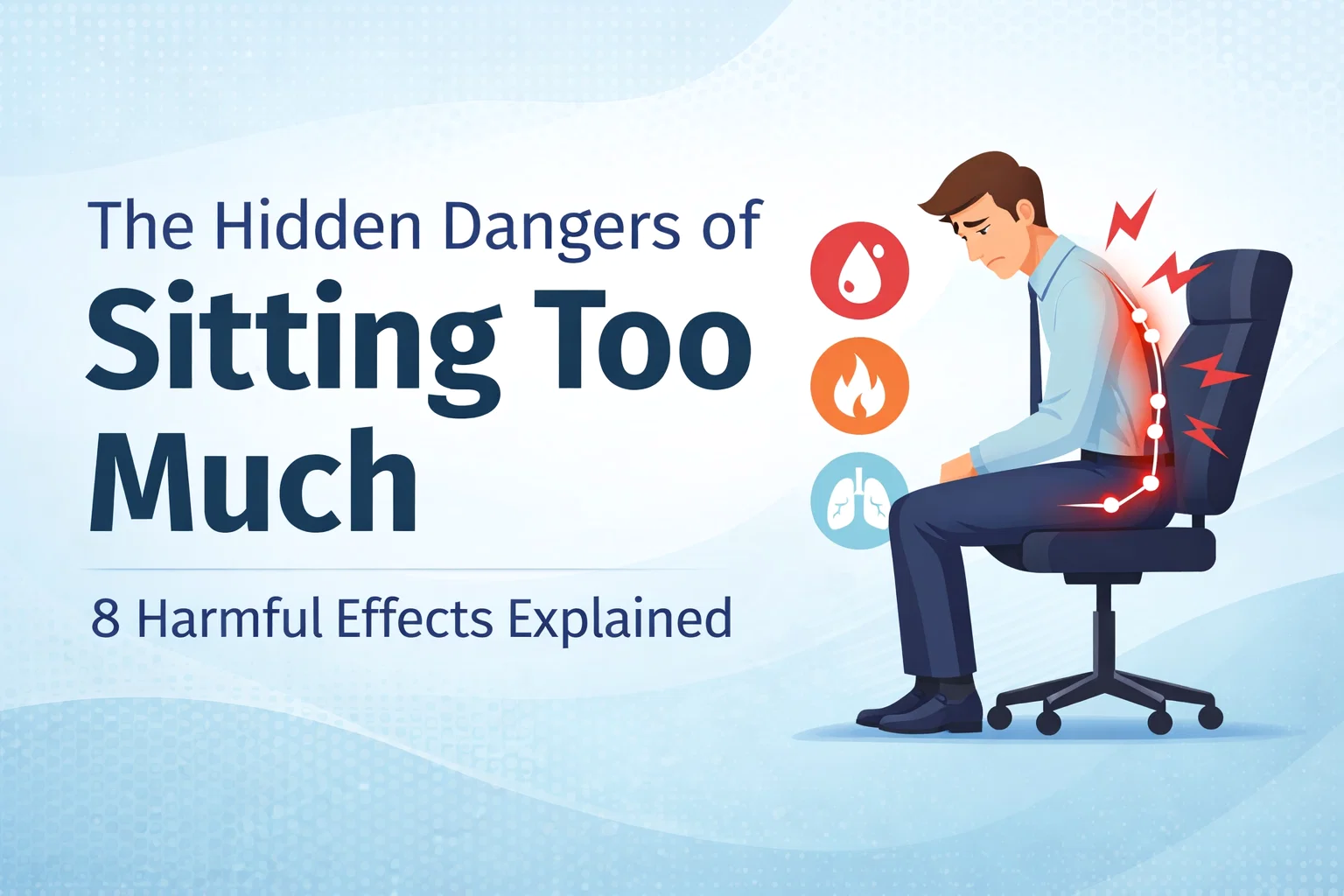
One of the most immediate effects of sitting for more than 30 minutes is the noticeable slowdown of blood flow, particularly to your lower extremities. When you are standing or walking, your calf muscles act like a second heart, helping to pump blood back up against gravity. Once you sit, that muscle pump shuts off. Blood can begin to pool in the ankles and feet, which not only causes swelling but can also lead to a sluggish feeling in your legs. Over time, this reduced circulation can even impact your heart health and increase the risk of varicose veins.
Why the 30 Minute Mark Matters
Research shows that the body’s metabolism begins to shift after just half an hour of stillness. The enzymes responsible for breaking down fats in the bloodstream drop significantly. By standing up briefly every 30 minutes, you essentially flip a biological switch that tells your body to start processing energy again. This simple movement keeps your blood viscous and moving, ensuring that oxygen and nutrients are being delivered to your tissues efficiently.
The Glute-Back Connection: Why Your Lower Back Aches
Have you ever noticed that after a long day at the office, your lower back feels tight and sore? This is often because your glute muscles have literally gone to sleep. In the world of physical therapy, this is sometimes called gluteal amnesia. When you sit on your glutes for hours, they become inhibited and weak. Because the glutes are supposed to be the powerhouse muscles that support your spine, their inactivity forces your lower back muscles to take over the heavy lifting. This imbalance is a leading cause of chronic back pain and poor posture.
Strengthening Your Foundation
To combat this, it is essential to incorporate movements that wake up the posterior chain. Exercises like glute bridges, squats, or even just squeezing your glutes while standing can help re-establish that mind-muscle connection. When your glutes are strong and active, they take the pressure off your lumbar spine, allowing you to move through your day with much less discomfort and a significantly lower risk of injury.
Hip Mobility and the Danger of Compression
Sitting naturally puts your hips into a flexed position. Over years of consistent sitting, the hip flexors at the front of your legs become shortened and tight, while the hip joints themselves experience constant compression. This reduction in mobility does not just stay in the hips; it radiates upward to the back and downward to the knees. If you have ever felt like you are walking like a tin man after standing up from a chair, you have experienced this hip compression firsthand.
- Reduced Range of Motion: Tight hips limit your ability to walk with a full stride.
- Postural Tilt: Shortened hip flexors pull on the pelvis, creating an unnatural arch in the lower back.
- Joint Health: Movement is what lubricates your joints. Without it, the cartilage in the hip can wear down faster.
The Surprising Link Between Sitting and Blood Sugar
Many people believe that a hard workout at the gym can undo the damage of sitting all day, but science suggests otherwise. Prolonged sitting has been shown to raise blood sugar levels even in individuals who exercise regularly. When you are sedentary, your muscles are not contracting, which means they are not pulling glucose from your blood to use as fuel. This can lead to insulin resistance over time, making it harder for your body to manage energy levels and increasing the risk of metabolic issues.
Active Recovery Throughout the Day
Instead of relying solely on a single workout, the key is frequent, low-intensity movement. Taking a short walk after a meal or using a standing desk for portions of the day can help keep your blood sugar levels stable. These micro-movements are just as important for your long-term health as your sessions at the gym because they keep your metabolic furnace burning all day long.
Breathing and Lung Capacity: The Slouching Penalty
Most of us do not sit with perfect, military-grade posture. We slouch, lean forward toward our screens, and let our shoulders roll inward. This collapsed position physically compresses the chest cavity, which significantly reduces lung capacity and oxygen intake. When you cannot take deep, full breaths, your brain and tissues receive less oxygen, leading to brain fog, fatigue, and even increased feelings of anxiety.
The Benefits of Upright Posture
When you sit upright or stand, your diaphragm has the room it needs to expand fully. Deep breathing triggers the parasympathetic nervous system, which helps lower stress levels and improves focus. If you find yourself feeling tired in the mid-afternoon, check your posture. Simply pulling your shoulders back and taking three deep breaths can provide a natural energy boost that no cup of coffee can match.
Digestion and the Post-Meal Slump
We have all been tempted to sit down or lie back right after a big meal, but this is actually one of the worst things you can do for your digestion. Sitting compresses the abdominal organs, slowing down the movement of food through the digestive tract. This can lead to uncomfortable bloating, heartburn, and general sluggishness. In many cultures, a post-dinner stroll is a standard practice, and for good reason—it uses gravity and movement to assist the digestive process.
Tips for Better Digestion
If you must work after eating, try to do so at a standing desk or at least ensure you are sitting with an elongated spine. Avoiding the “slump” allows your digestive enzymes to work more effectively and prevents the pressure that causes acid reflux. Even five minutes of standing after a meal can make a world of difference in how your stomach feels for the rest of the evening.
Tension in the Neck and Shoulders
Extended sitting is almost always accompanied by what experts call tech neck. As your head leans forward to look at a monitor or phone, the weight and strain on your neck muscles increase exponentially. This tension travels down into the shoulders and upper back, often resulting in tension headaches and a persistent feeling of tightness that stretching alone cannot always fix. This strain is a direct result of the static load placed on these muscles during long periods of sitting.
- Eye Level Monitors: Ensure your screen is at eye level to prevent leaning.
- Shoulder Rolls: Every hour, roll your shoulders back and down five times.
- Chin Tucks: Gently tuck your chin to realign your cervical spine.
The 30 Minute Rule: Your Path to Better Health
The most encouraging takeaway from modern health research is that you do not need to spend hours in the gym to reverse the negative effects of sitting. Standing briefly every 30 minutes acts as a reset button for your entire system. This small habit re-engages your muscles, restarts your metabolism, improves your circulation, and clears your mind. It is a simple, free, and incredibly effective way to take control of your physical well-being.
How to Make the Habit Stick
Changing your lifestyle starts with small, manageable steps. You can use a digital timer, a phone app, or even a specialized “habit tracker” to remind you to move. If you are on a long phone call, try pacing around the room. If you are watching a show, stand up during the commercial breaks. These tiny windows of movement add up over the course of a day and create a foundation for a much healthier, more vibrant life.
Conclusion: Moving Toward a Healthier You
Sitting is an inevitable part of our modern world, but it does not have to dictate your health. By understanding how prolonged sitting affects your blood flow, muscle strength, and metabolic health, you are now empowered to make better choices. Remember that your body was designed for movement. Every time you choose to stand up, stretch, or take a quick walk, you are investing in your future self. Start today by setting that 30-minute timer and feel the difference that just a little bit of movement can make in your daily life. Your body will thank you for the extra care and the renewed energy that comes with a more active, upright lifestyle!
Would you like me to help you create a 7-day movement plan to help incorporate these standing breaks into your daily routine?