Top 9 Best Foods to Eat for Diarrhea Relief Natural Remedies for Rapid Recovery
Dealing with an upset stomach can feel like an uphill battle, especially when you are trying to balance a busy schedule with the sudden need for rest. Diarrhea is a common yet incredibly disruptive issue that affects almost everyone at some point. Whether it stems from a bit of food poisoning, a viral bug, or just a sensitive digestive system reacting to stress, the goal is always the same: find relief fast and get back to feeling like yourself. The good news is that your kitchen is often the best pharmacy. By choosing the right “binder” foods and focusing on gentle hydration, you can significantly shorten your recovery time and soothe your gut without relying solely on over-the-counter medications.
The Science of Soothing: Why Your Diet Matters During Diarrhea
When your digestive system is in distress, it essentially goes into overdrive. The muscles in your intestines contract too quickly, pushing food through before your body can properly absorb water and nutrients. This results in the loose, watery stools we all dread. To counter this, you need to introduce foods that perform two specific functions: absorbing excess water and providing bulk. This is where the concept of low-residue and bland diets comes into play.
Eating the wrong thing during a flare-up can prolong the irritation. Spicy foods, heavy fats, and high-fiber vegetables might be healthy during a normal week, but right now, they act like sandpaper on an already raw internal environment. By focusing on the top nine foods identified for diarrhea relief, you are giving your gastrointestinal tract the break it deserves while still fueling your body with the energy it needs to heal.
Shutterstock
The Power of the BRAT Diet and Beyond
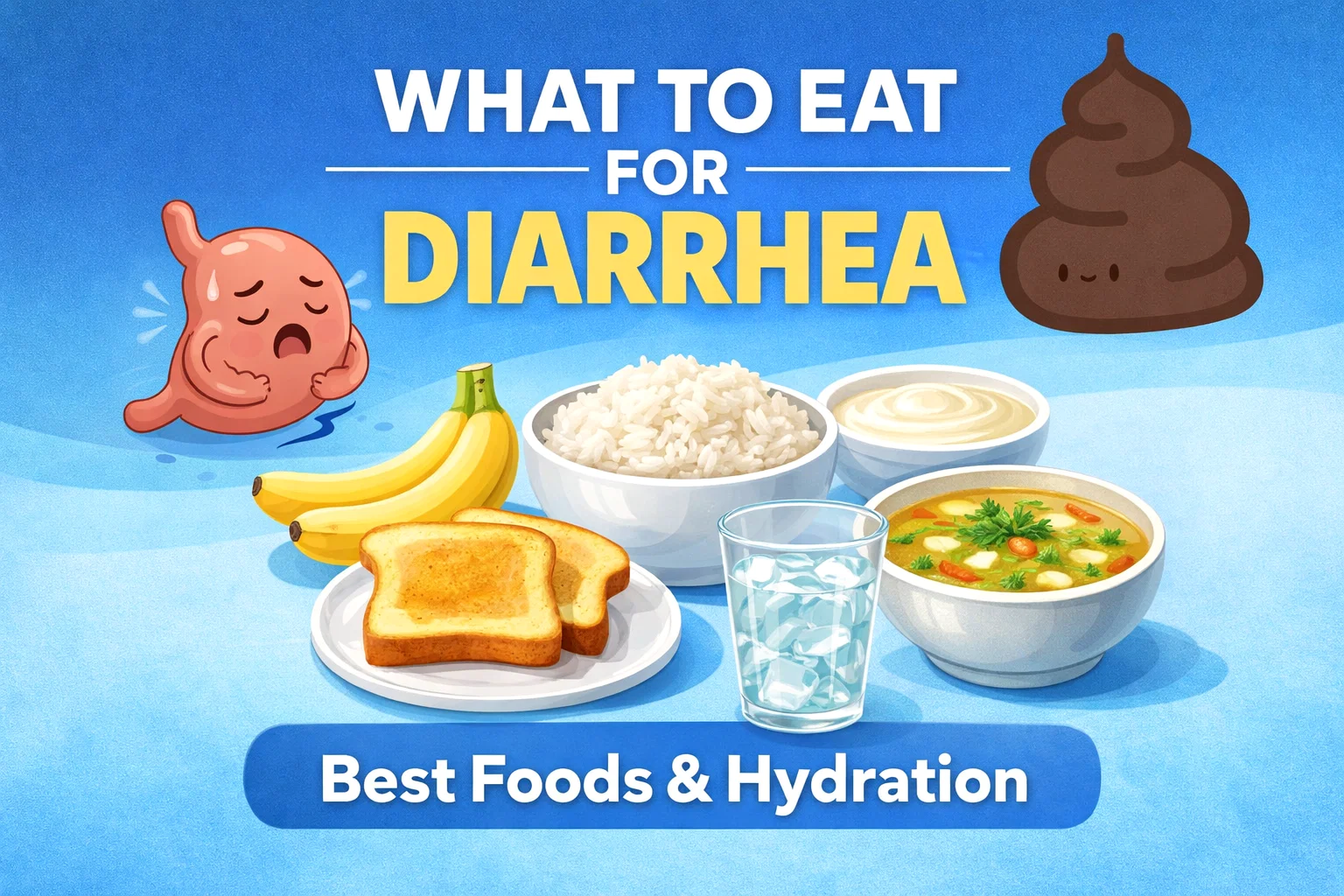
For decades, many have turned to the BRAT diet (Bananas, Rice, Applesauce, and Toast) as the gold standard for recovery. While modern nutritional science suggests we can be a bit more diverse than just these four items, they remain the cornerstone of any effective recovery plan for a reason.
1. Bananas: The Ultimate Potassium Booster
Bananas are perhaps the perfect food for an upset stomach. They are soft, easy to digest, and contain pectin, a type of soluble fiber that helps soak up liquid in the intestines. More importantly, diarrhea often leads to a loss of electrolytes, particularly potassium. Bananas are naturally rich in potassium, helping to restore your body’s balance and prevent the weakness or cramping that often accompanies dehydration.
2. White Rice: The Gentle Binder
While brown rice is usually the healthier choice for daily living, white rice is the MVP when you are ill. It is low in fiber, meaning it won’t stimulate the bowel to move even faster. It provides quick energy in the form of simple carbohydrates and acts as a “binder” to help firm up your stool. Stick to plain, steamed white rice without any added oils or heavy seasonings.
3. Applesauce: Easy Digestion and Pectin
An apple a day might keep the doctor away, but a whole apple with the skin on might actually irritate a sensitive gut due to its high insoluble fiber content. Applesauce, however, is cooked down and skinless, making it much easier on the stomach. Like bananas, it contains pectin, which helps regulate bowel movements and provides a gentle source of natural sugar for energy.
4. Plain Toast: The Simple Base
White toast is another low-fiber staple that is tolerated well by almost everyone. It provides a dry, bland base that doesn’t trigger the nausea that often accompanies diarrhea. Avoid topping it with butter or jam for the first 24 hours. If you need a little flavor, a very thin spread of honey can be easier to digest than dairy-based spreads.
Expanding Your Menu: Protein and Starchy Vegetables
Once you have moved past the initial phase of the BRAT diet, you can start introducing other bland foods to help rebuild your strength. The key is to keep preparation methods simple: boiling and steaming are your best friends right now.
5. Boiled Potatoes: Filling and Nutritious
Potatoes are an excellent source of nutrients when peeled and boiled. They are high in vitamin C and B6, and like rice, they provide the starchy bulk needed to slow down digestion. Make sure to remove the skin entirely, as the skin contains fiber that might be too tough for your system to handle at the moment. Eat them plain or with just a tiny pinch of salt to help with sodium retention.
6. Boiled Carrots: Vitamin-Rich Comfort
Carrots are often overlooked in a recovery diet, but they are fantastic when cooked until soft. They are packed with antioxidants and vitamins that support immune function. Boiled carrots are easy to chew and digest, and they add a bit of variety and color to an otherwise beige diet, which can actually help boost your appetite when you are feeling low.
7. Plain Yogurt: The Probiotic Exception
Usually, dairy is a big “no” during diarrhea because lactose can be hard to digest when the gut lining is inflamed. However, plain yogurt with live and active cultures (probiotics) can be the exception. These “good” bacteria help restore the natural balance of your gut microbiome, which may have been stripped away by a virus or bacteria. Look for low-fat, unsweetened versions to avoid unnecessary irritation.
The Importance of Liquid Nutrition
The biggest danger of diarrhea isn’t actually the stomach pain: it is dehydration. Your body loses fluids and salts at a rapid rate, which can lead to serious complications if not addressed. You need to sip throughout the day, even if you don’t feel thirsty.
8. Clear Soup and Broth
Clear soups, such as chicken or vegetable broth, are nutritional powerhouses for someone with an upset stomach. They provide essential fluids and salt to help your body retain water. The warmth of the broth can also be very soothing for abdominal cramps. Avoid creamy soups or those with heavy chunks of meat and fibrous vegetables until you are fully recovered.
9. Oatmeal: Gentle Fiber for Transition
As you begin to feel better, oatmeal is a great “bridge” food. It contains soluble fiber, which is much gentler than the insoluble fiber found in wheat bran or raw veggies. Oatmeal helps to normalize the transit time of food through your system. Prepare it with water rather than milk to keep it as bland and safe as possible.
Hydration Heroes: Staying Balanced
Drinking plain water is important, but often it isn’t enough on its own to replace the specific minerals your body is losing. This is where specialized hydration comes into play.
- ORS (Oral Rehydration Solution): These are specifically formulated with the perfect ratio of salt and sugar to maximize water absorption in the gut. They are available at most pharmacies and are essential for severe cases.
- Coconut Water: A natural alternative to sports drinks, coconut water is rich in potassium and magnesium. It is refreshing and typically contains less sugar than commercial energy drinks.
- Herbal Teas: Ginger or peppermint tea can help reduce nausea and bloating alongside your water intake.
Foods to Avoid Until You Are 100 Percent
While focusing on what to eat, it is equally important to know what to keep off your plate. Steer clear of the following until your digestion has been normal for at least 24 to 48 hours:
- Fried and Fatty Foods: These can speed up intestinal contractions and make symptoms worse.
- Caffeine and Alcohol: Both act as diuretics and can irritate the lining of the stomach.
- Sugar-Free Sweets: Artificial sweeteners like sorbitol can have a laxative effect.
- Cruciferous Vegetables: Broccoli, cauliflower, and cabbage can cause gas and bloating.
When to Consult a Professional
Most cases of diarrhea resolve on their own within a few days using these dietary tips. However, you should reach out to a healthcare provider if you experience high fever, severe abdominal pain, blood in the stool, or signs of severe dehydration like extreme thirst and dark urine. Your health is the priority, and sometimes professional intervention is necessary to rule out underlying infections.
Conclusion: Eat, Relax, and Thrive
Recovering from digestive upset is all about patience and choosing the right fuel. By sticking to the top nine foods: bananas, white rice, applesauce, toast, yogurt, boiled potatoes, oatmeal, boiled carrots, and clear soup: you are taking a proactive step toward health. Remember to hydrate constantly with water, ORS, or coconut water to keep your energy levels up. Listen to your body, take it slow, and give yourself the grace to rest. Before you know it, you will be back to enjoying your favorite meals with a happy, healthy gut. Save these tips for the next time you or a loved one needs a gentle path to recovery!
Would you like me to generate some SEO-optimized meta descriptions or alt-text for the images in this post?