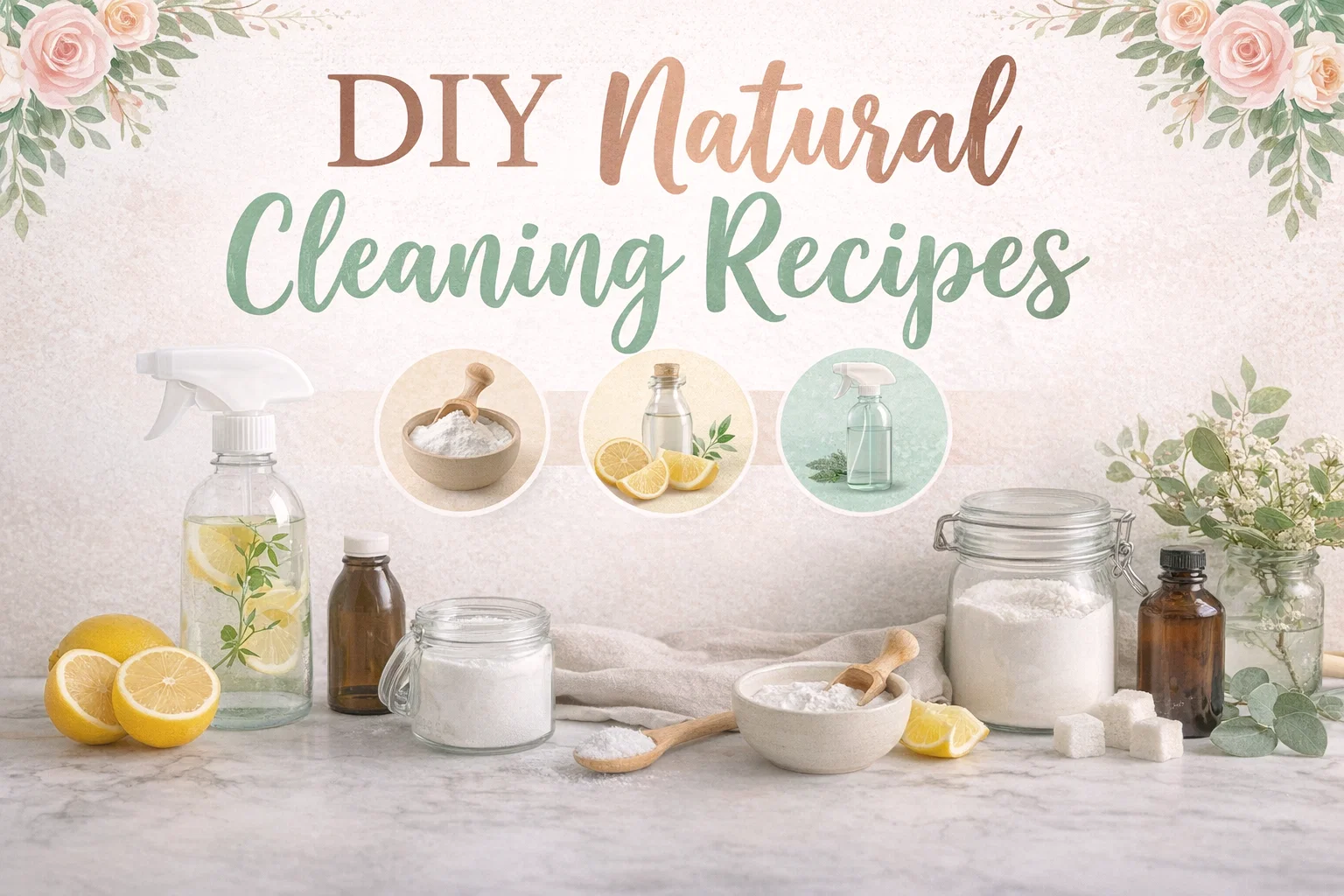
10 Best DIY Natural Cleaning Recipes Homemade Non-Toxic Cleaners with Free Printable PDF
The journey toward a non-toxic home often starts with a single spray bottle and a realization that most commercial cleaners are filled with mysterious chemicals and overpowering artificial fragrances. If you have ever felt a headache coming on after scrubbing the bathroom or wondered if those neon-colored liquids are truly safe for your pets and children, you are not alone. Transitioning to a natural cleaning routine is one of the most rewarding steps you can take for your household health. Not only do these homemade recipes work remarkably well, but they also save you a significant amount of money and reduce plastic waste. By using simple, pantry-stable ingredients like white vinegar, baking soda, and essential oils, you can tackle every corner of your home with confidence and peace of interest.
The Power of Natural Ingredients in Your Cleaning Cupboard
Before diving into the specific recipes shown in our guide, it is helpful to understand why these basic ingredients are so effective. Natural cleaning relies on the chemical properties of plants and minerals rather than synthetic surfactants. When you understand the science behind the shine, you can customize your cleaning routine to suit your specific needs. Most of these recipes revolve around a few heavy hitters that have been used for generations.
Baking Soda: The Ultimate Deodorizer and Scrubber
Baking soda, or sodium bicarbonate, is a mild alkali that causes dirt and grease to dissolve easily in water. Because it is slightly abrasive, it provides the perfect amount of grit for scrubbing sinks, tubs, and ovens without scratching the surfaces. It is also famous for its ability to neutralize both acidic and alkaline odor molecules, making it indispensable for laundry and carpet care.
White Vinegar: The Grease-Cutting Disinfectant
Distilled white vinegar is an acetic acid, which makes it a powerhouse for cutting through mineral deposits, hard water stains, and soap scum. It is also effective at killing certain types of household bacteria and mold. While the scent is strong initially, it dissipates quickly as it dries, leaving behind a completely neutral and fresh environment.
Castile Soap and Essential Oils
Castile soap is a vegetable-based soap that lifts dirt and grime away from surfaces. When paired with essential oils like lemon, tea tree, or lavender, you add an extra layer of antibacterial properties and a wonderful, natural aroma. Lemon oil is particularly great for degreasing, while tea tree oil is a natural antifungal agent that works wonders in the bathroom.
Essential DIY Recipes for a Sparkling Kitchen
The kitchen is the heart of the home, but it is also the place where grease and food particles accumulate the fastest. Keeping this area clean without using harsh toxins is vital since this is where your family’s meals are prepared.
The All-Purpose Surface Cleaner
This is the workhorse of the natural cleaning world. You can use it on countertops, dining tables, and even the exterior of appliances. To make it, mix 2 teaspoons of baking soda with 4 tablespoons of white vinegar and 400 ml of water. Combine these in a sturdy spray bottle. The reaction between the vinegar and baking soda helps lift stubborn spots, while the water dilutes the solution to a safe level for daily use.
The Heavy Duty Soft Scrub
For those times when the kitchen sink looks a little dull or the stovetop has burnt-on spills, you need something with a bit more texture. Mix 3/4 cup of baking soda with 1/4 cup of liquid Castile soap and 2 tablespoons of water. Stir it until it forms a thick paste. You can apply this with a sponge, scrub the surface, and then rinse thoroughly. It provides that satisfying deep-clean feeling without the bleach fumes.
Natural Dishwasher Detergent Tabs
Commercial dishwasher pods are often wrapped in plastics and filled with phosphates. You can make your own by combining 1 cup of Borax, 1 cup of washing soda, 1/4 cup of Epsom salt, and enough lemon juice to bind the powders into a paste. Press the mixture into ice cube trays and let them harden in the sun. Use one cube per load for dishes that are clean and spot-free.
Refreshing Your Bathroom with Non-Toxic Solutions
Bathrooms are prone to moisture and bacteria, leading many people to reach for the strongest bleach they can find. However, natural alternatives can be just as effective at maintaining hygiene and removing stains.
The Overnight Toilet Bowl Cleaner
Toilet cleaning does not have to be a dreaded chore involving toxic blue liquids. Instead, use a combination of 3/4 cup Borax, 1 cup white vinegar, and 10 drops of your favorite essential oil. Swish the bowl with water first, then dump the mixture inside. Let it sit overnight to break down mineral deposits and stains. In the morning, a quick scrub with a brush will leave the porcelain gleaming.
Grout Cleaner for Bright Tile Lines
Discolored grout can make an entire bathroom look aged. To restore it, mix 1/2 cup of baking soda with 1/4 cup of white vinegar to create a bubbling paste. Apply this directly to the grout lines with an old toothbrush. Let it sit for at least five minutes to penetrate the porous surface, then scrub and rinse with warm water. This method lifts dirt and brightens the grout naturally.
The Streak-Free Glass and Mirror Cleaner
The secret to clear mirrors is preventing streaks caused by soapy residue. This recipe uses 1/4 cup of rubbing alcohol, 1/4 cup of white vinegar, 2 tablespoons of cornstarch, and 2 cups of warm water. The cornstarch is the “magic” ingredient here, as it acts as a very fine abrasive that helps polish the glass to a high shine. Shake well before each use to ensure the cornstarch is distributed.
Laundry and Air Care: Keeping Fabrics and Air Fresh
Many people find that their skin sensitivities or allergies improve significantly once they switch to natural laundry products. Traditional detergents often contain synthetic fragrances that linger in fabrics and irritate the skin.
Bulk Homemade Laundry Detergent
This recipe is a massive money saver and is perfect for large families. You will need to grate 3 bars of Fels Naptha soap and combine them in a large bucket with a box of Super Washing Soda, a box of Borax, a box of baking soda, and a container of oxygen bleach. This dry powder is incredibly concentrated. You only need 1 to 2 tablespoons per load to get your clothes remarkably clean. For an optional scent boost, you can add 28 oz of scent crystals, though the natural version works beautifully on its own.
The Natural Bleach Alternative
If you want to whiten your linens without using chlorine bleach, try this mixture. Combine 1 1/2 cups of 3 percent hydrogen peroxide with 1/2 cup of lemon juice and enough water to fill a gallon jug. Add one cup of this solution to your wash cycle. The hydrogen peroxide acts as a mild whitener, while the citric acid in the lemon juice helps break down stains and brighten whites when dried in the sun.
Simple Air Freshener and Fabric Refresher
Instead of masking odors with heavy perfumes, you can create a light mist that freshens the air and upholstery. Fill a spray bottle with water and add 4 tablespoons of your preferred fabric softener or a few drops of essential oils. This is a great way to “Febreeze” your curtains, couches, and rugs after a deep cleaning session. It leaves a subtle, clean scent that feels light and airy.
Extra Tips for Dusting and Maintenance
Cleaning is not just about the big surfaces; it is also about the fine details like dust and fingerprints on wood furniture. A natural dusting spray can nourish your wood while picking up allergens.
The Perfect Dusting Spray
Mix 1 cup of white vinegar, 1/2 teaspoon of olive oil, and 3 cups of water. You can also add 10 drops of lemon oil for that classic “clean” smell. The vinegar cleans the surface, while the tiny amount of olive oil provides a beautiful, non-greasy polish to wood furniture. Just spray it on a microfiber cloth and wipe away the dust.
Why Making the Switch Matters
Choosing to make your own cleaning supplies is a powerful way to take control of your environment. When you look at the ingredients in our printable guide, you recognize every single one of them. There are no hidden “fragrance” labels that could hide hundreds of unlisted chemicals. Beyond the health benefits, the environmental impact is huge. You are no longer contributing to the demand for harsh industrial manufacturing and you are significantly reducing the number of plastic bottles that end up in landfills.
Furthermore, these recipes are versatile. Once you have a gallon of vinegar and a large bag of baking soda, you are prepared for almost any cleaning emergency. Whether it is a spilled glass of juice on the carpet or a clogged drain, you have the tools on hand to fix the problem safely and quickly.
Conclusion: Your Path to a Greener Home
Embracing a natural cleaning routine does not have to happen all at once. You can start by replacing your all-purpose cleaner and then move on to the more specialized recipes as your old commercial products run out. Use our printable guide as a handy reference to keep in your pantry or cleaning closet. As you see the results, from the streak-free mirrors to the fresh-smelling laundry, you will likely find that you never want to go back to the chemical-laden alternatives. A clean home is a happy home, and a natural home is a healthy one. Happy cleaning!