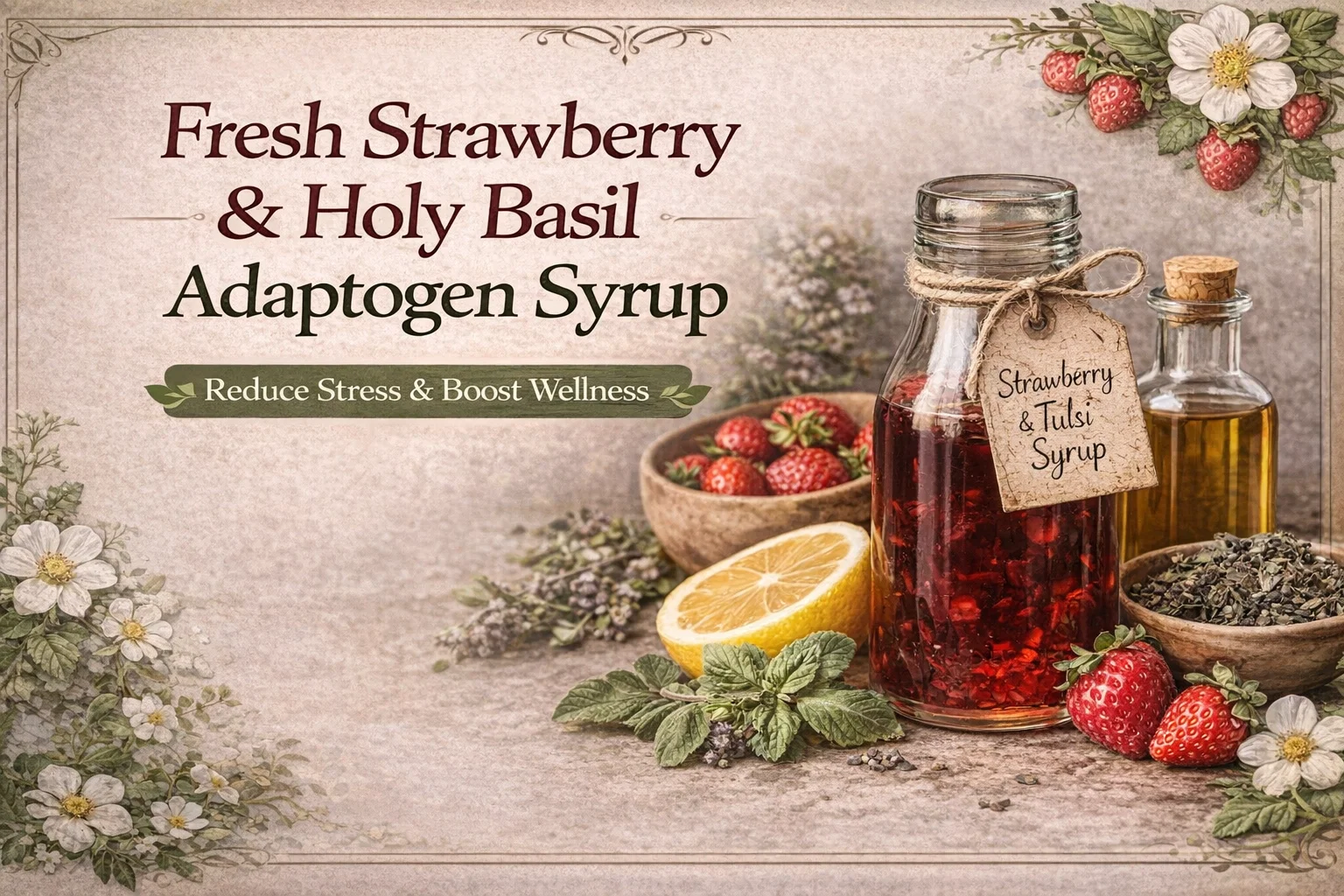
Fresh Strawberry Holy Basil Tulsi Adaptogen Syrup Recipe Natural Stress Relief Ritual
Creating your own herbal apothecary at home is one of the most rewarding ways to take control of your wellness journey. When we think of medicine, we often think of bitter tonics or complex tinctures, but nature provides us with ingredients that are as delicious as they are healing. The Fresh Strawberry and Holy Basil Adaptogen Syrup is a perfect example of how functional nutrition can feel like a gourmet treat. This vibrant, ruby red syrup combines the seasonal sweetness of sun-ripened strawberries with the ancient, stress-relieving power of Holy Basil, also known as Tulsi. It is designed to help lower cortisol levels while providing a massive antioxidant boost, making it a staple for anyone looking to incorporate more mindful rituals into their daily life.
The Power of Adaptogens in Your Kitchen
To understand why this syrup is so special, we first have to look at the star herb: Holy Basil. In the world of herbalism, Tulsi is classified as an adaptogen. This means it belongs to a unique group of plants that help the body adapt to stressors and exert a normalizing influence upon bodily processes. Unlike a stimulant or a sedative, an adaptogen helps find a middle ground, providing energy when you are fatigued and calming the system when you are overstimulated. By incorporating Tulsi into a delicious strawberry base, you are creating a delivery system for wellness that feels like a reward rather than a chore.
Strawberries bring more than just flavor to this recipe. They are packed with Vitamin C and manganese, which support immune function and skin health. When you combine the vitamin profile of the berries with the phytochemicals in the Holy Basil, you get a synergistic effect that targets inflammation and oxidative stress. This syrup is not just a topping; it is a functional food designed to support your nervous system from the inside out.
Ingredients for the Ultimate Stress Relief Syrup
Quality is everything when you are making a medicinal syrup. Because this recipe relies on the natural juices of the fruit, using the freshest ingredients possible will yield the best results. Here is what you will need to get started:
- The Fruit: 2 cups of fresh strawberries. Ensure they are hulled and sliced thin to maximize the surface area for the maceration process.
- The Herbs: One fourth cup of dried Holy Basil (Tulsi). If you cannot find Tulsi, dried mint is a wonderful alternative that provides a refreshing, digestive-friendly twist.
- The Base: 1 cup of raw honey or cane sugar. Raw honey is preferred for its enzymatic content and antibacterial properties, though cane sugar works well for a traditional syrup texture.
- The Stabilizer: 1 tablespoon of fresh lemon juice. The acidity is crucial here as it preserves the bright red color of the strawberries and prevents the syrup from spoiling too quickly.
Choosing Between Honey and Sugar
When deciding on your sweetener, consider your goals. Raw honey adds another layer of medicinal benefit, particularly for respiratory health and seasonal allergies. However, honey should never be boiled, as high heat destroys its beneficial enzymes. Since this recipe calls for a very low simmer, honey remains a viable and healthy option. If you prefer a shelf-stable texture that feels more like a traditional pancake syrup, organic cane sugar is a reliable choice that allows the strawberry flavor to shine through with a clean sweetness.
Step by Step Instructions for Maceration and Infusion
The process of making this syrup is divided into two main phases: maceration and infusion. Maceration is the process of softening the fruit using sugar or honey to draw out the natural juices. This ensures that the flavor of the strawberry is concentrated and fresh, rather than cooked down into a jam-like consistency.
Step 1: The Maceration Process
Start by tossing your sliced strawberries with your chosen sweetener and the lemon juice in a glass bowl. Stir them gently until every slice is coated. Cover the bowl and let it sit for at least 2 hours at room temperature. During this time, you will notice the berries begin to shrink as they release a deep red liquid. By the end of the two hours, the berries should be fully submerged in their own syrup. This cold-extraction method preserves the volatile compounds in the fruit that high heat would otherwise destroy.
Step 2: Simmer and Infuse
Once the maceration is complete, transfer the entire mixture into a small saucepan. This is where we introduce the Holy Basil. Add your dried herbs to the pot and turn the heat to the lowest possible setting. The goal here is a gentle wilt, not a rolling boil. Simmer the mixture for 15 to 20 minutes. You want to see the syrup thicken slightly and the herbs begin to release their earthy, spicy aroma into the strawberry juice. Constant stirring is helpful to ensure the honey or sugar does not scorch on the bottom of the pan.
Ways to Use Your Strawberry Tulsi Syrup
Now that you have created this beautiful, potent syrup, how do you use it? The versatility of this recipe is one of its best features. Because it is designed to be both a medicinal supplement and a culinary delight, the options are endless.
The Daily Wellness Dose
For those looking to manage daily stress, taking one tablespoon of the syrup directly is a great habit. It provides a quick antioxidant boost and a moment of sweetness in your day. Many people find that taking this dose in the afternoon helps prevent the typical 3 PM energy crash by supporting the adrenal glands. Alternatively, stir a tablespoon into a tall glass of cold sparkling water for a healthy, sophisticated soda alternative that feels like a treat at the end of a long workday.
A Medicinal Breakfast Topping
Breakfast is often the most rushed meal of the day, which can set a stressful tone for the morning. By drizzling this syrup over your morning yogurt, oatmeal, or chia seed pudding, you are infusing your first meal with adaptogenic support. The combination of protein-rich yogurt and the antioxidant power of the strawberries creates a balanced start to your day. It transforms a standard bowl of cereal into a “medicinal breakfast” that supports your body’s resilience from the moment you wake up.
The Evening Wind Down Ritual
Because Holy Basil is so effective at regulating cortisol, this syrup is particularly well suited for evening use. High cortisol levels at night can lead to tossing and turning or difficulty falling asleep. Incorporating a small amount of this syrup into a warm cup of herbal tea or even a small glass of warm almond milk can signal to your nervous system that it is time to relax. It is a wonderful way to replace sugary desserts with something that actually helps you rest better.
Storage and Stability Tips
Since this syrup is made with fresh fruit and does not contain artificial preservatives, it requires a little bit of care to keep it fresh. Once your infusion is finished and has cooled down, strain out the herb solids and the fruit pulp if you prefer a smooth syrup, or leave the fruit in for a more rustic texture. Transfer the liquid into a clean glass jar or bottle.
Refrigeration is Key
Because of the water content in the strawberries, this syrup must be stored in the refrigerator. It will stay fresh and potent for 2 to 3 weeks. Always use a clean spoon when scooping it out to avoid introducing bacteria into the jar. If you notice any change in smell or the appearance of mold, it is time to discard it and brew a fresh batch. The vibrant red color may darken slightly over time, which is a natural oxidation process and is generally nothing to worry about as long as the lemon juice was included as a stabilizer.
Why Homemade is Better Than Store Bought
In a world of “natural” flavorings and corn-syrup-based additives, making your own syrups at home ensures that you know exactly what is going into your body. Most commercial fruit syrups are heated at extremely high temperatures for pasteurization, which kills the delicate vitamins found in berries and the active compounds in herbs like Tulsi. By using the maceration method and a very low simmer, you are honoring the ingredients and keeping their healing properties intact.
Furthermore, making your own syrup allows you to customize the flavor. If you find you love the earthy notes of the Holy Basil, you can increase the herb count in your next batch. If you want a more citrus-forward profile, you can add a bit of lemon zest during the infusion phase. This level of personalization makes your wellness journey unique to your own palate and needs.
Conclusion: Small Steps Toward Holistic Health
Embracing a lifestyle of wellness does not have to mean making radical, difficult changes overnight. Often, the most sustainable path to health is through small, enjoyable additions to our daily routines. This Fresh Strawberry and Holy Basil Adaptogen Syrup is a perfect entry point into the world of functional foods. It bridges the gap between delicious culinary flavors and powerful herbal medicine, proving that taking care of your nervous system can be a beautiful and tasty experience.
Whether you are looking to lower your stress levels, boost your antioxidant intake, or simply find a new way to enjoy the bounty of strawberry season, this recipe offers a solution. By taking the time to macerate the fruit and gently infuse the herbs, you are practicing a form of slow living that is just as beneficial for the mind as the syrup is for the body. So, grab some fresh berries, find some high quality Tulsi, and start brewing your own bottle of liquid zen today. Save this recipe and make it a part of your seasonal wellness traditions.