How to Take Blood Pressure at Home Correct Position, Steps Reading Chart Guide
Taking control of your cardiovascular health starts with a single, simple action: learning how to measure your internal vitals accurately from the comfort of your own home. For many people, the sight of a white coat or the sterile environment of a doctors office can cause a temporary spike in readings, a phenomenon known as white coat syndrome. By mastering the art of the home checkup, you gain a clearer, more consistent picture of your heart health over time. This guide is designed to transform that confusing cuff into a powerful tool for longevity and peace of mind.
Why Monitoring at Home is a Game Changer
Consistency is the most valuable asset when it comes to medical data. While a clinical reading provides a snapshot, home monitoring offers a full length feature film of your vascular health. It allows you to see how your body reacts to stress, diet, and exercise throughout the week. When you provide your healthcare provider with a week of home readings, you are giving them the evidence they need to make the best decisions for your long term wellness.
Understanding these numbers is not just about avoiding emergencies; it is about optimization. When you see how a salty meal or a stressful workday impacts your pressure, you become more mindful of your daily habits. This immediate feedback loop is one of the most effective ways to stay motivated on a wellness journey.
The Essential Checklist: Before You Press Start
Most inaccurate readings are not caused by faulty machines but by poor preparation. Your body is incredibly sensitive to external stimuli, and even a small distraction can send your numbers climbing. To get the most precise data, you must create a calm environment and prepare your body for the test.
Avoiding Common Triggers
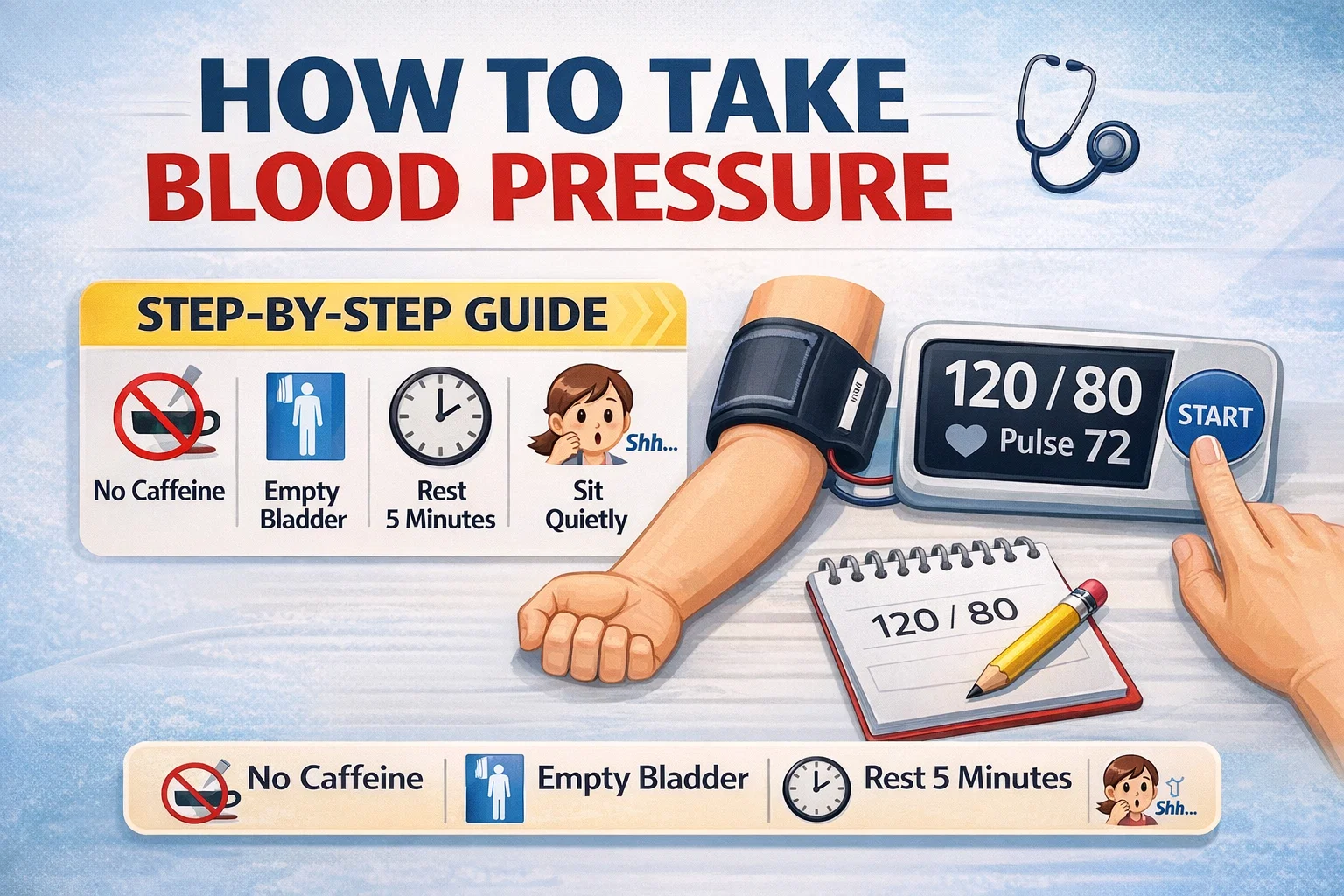
The thirty minutes leading up to your measurement are critical. Caffeine is a known vasoconstrictor, meaning it can temporarily tighten your blood vessels and lead to a higher reading than normal. Smoking has a similar effect, putting immediate stress on the heart and lungs. Even having a full bladder can add unnecessary pressure to your system. Always make sure to use the bathroom and avoid stimulants for at least half an hour before you begin.
The Five Minute Rule
Rest is not a suggestion; it is a requirement. Rushing to the table and immediately wrapping the cuff will likely result in an elevated reading. Instead, sit quietly in a comfortable chair for five full minutes before you turn on the monitor. Do not use this time to scroll through stressful news on your phone or engage in a heated conversation. Close your eyes, breathe naturally, and let your heart rate settle into its baseline state.
Mastering the Correct Physical Position
The way you sit determines the accuracy of the fluid dynamics within your arm. Gravity plays a major role in how hard your heart has to work to move blood, so your physical alignment must be intentional.
Back and Feet Alignment
Slumping over or crossing your legs can significantly alter your results. Always sit in a chair with a firm back that provides full support. Keep your feet flat on the floor, avoiding the urge to cross your ankles. Crossing your legs can actually increase your systolic reading by several points because it restricts blood flow in the lower extremities, forcing the heart to pump harder.
The Importance of Heart Level Placement
Your arm should be rested on a flat surface, such as a table or desk, so that the cuff sits at the exact same level as your heart. If your arm is too low, the reading will be artificially high. If it is too high, the reading will be artificially low. This simple adjustment ensures that the pressure the machine detects is a true reflection of the pressure at the source. Additionally, ensure that your sleeves are pushed up or your arm is bare. Testing over thick clothing or having a tight sleeve bunched up at the shoulder can interfere with the sensors.
A Step by Step Guide to Using Your Monitor
Modern digital monitors are designed for ease of use, but the placement of the cuff is where most errors occur. Follow these steps to ensure the machine can “hear” your pulse clearly.
- Step 1: Bare the Arm. Place the cuff directly against your skin. Even thin fabric can dampen the vibrations the monitor needs to detect.
- Step 2: Locate the Brachial Artery. Most cuffs have a marking or an arrow. This should be aligned with the center of your inner elbow, where your main artery resides.
- Step 3: Secure the Fit. The cuff should be snug but not painful. You should be able to slide two fingertips underneath the top edge of the cuff.
- Step 4: Stay Still and Silent. Once you press the start button, do not talk or move your hand. Movement creates “noise” for the digital sensor, which can lead to error codes or false data.
Decoding the Numbers: What is Normal?
Once the cuff deflates, you will be presented with three numbers: Systolic, Diastolic, and Pulse. Understanding these categories is essential for knowing when to relax and when to call a professional.
The Normal and Elevated Ranges
A healthy, ideal reading is generally considered to be 120 over 80 or lower. If your top number falls between 120 and 129, you are in the elevated category. This is often a wake up call that lifestyle changes, such as reducing sodium or increasing daily movement, are needed to prevent the development of hypertension.
Recognizing Hypertension and Emergencies
Stage 1 Hypertension begins at 130 over 80. If you consistently see numbers in this range, it is time to have a formal conversation with your doctor. However, the most critical range to recognize is the Hypertensive Crisis or Emergency range. If your monitor shows a reading of 180 over 120 or higher, wait a few minutes and test again. If it remains that high, you should seek immediate medical attention, especially if you are experiencing headaches, chest pain, or blurred vision.
Best Practices for Record Keeping
A single reading is just a data point; a logbook is a clinical tool. To get the best results, try to take your measurements at the same time every day. Many people find that taking a reading in the morning before breakfast and another in the evening before bed provides the most balanced perspective.
Use a Dedicated Notebook or App
Whether you prefer a digital spreadsheet or a simple paper notepad, consistency is key. Always record the date, the time, and both numbers. Some people also find it helpful to jot down a quick note if they are feeling particularly stressed or if they just finished a workout, as these factors provide context for your doctor. Over time, you will start to see patterns that help you understand your body unique rhythm.
The Role of Lifestyle in Maintaining Healthy Numbers
While monitoring is vital, the goal is always to keep those numbers in the green zone. Natural health practices and daily habits play a massive role in vascular flexibility and heart strength.
Hydration and Nutrition
Drinking enough water is a simple yet overlooked way to support healthy pressure. When you are dehydrated, your blood can become more viscous, and your body may retain sodium, both of which can lead to higher readings. Incorporating potassium rich foods like bananas, spinach, and sweet potatoes can also help counteract the effects of salt in your diet.
Movement and Stress Management
Regular physical activity helps your heart become more efficient at pumping blood, which lowers the force on your arteries. Pair this with stress reduction techniques like deep breathing or meditation, and you have a powerful recipe for cardiovascular success. Even ten minutes of mindful breathing can noticeably lower a reading taken immediately afterward.
Empower Your Health Journey
Taking your blood pressure at home is one of the most proactive steps you can take for your long term wellness. It removes the mystery from your health and puts the power back into your hands. By following the correct positioning, preparing your environment, and understanding the categories of the heart, you turn a routine task into a life saving habit.
Remember that heart health is a marathon, not a sprint. Do not get discouraged by a single high reading. Instead, use the data to fuel better choices and more informed conversations with your medical team. Your heart works hard for you every second of the day; taking a few minutes to check in on it is the least you can do in return. Keep your monitor handy, stay consistent, and enjoy the peace of mind that comes with being your own best health advocate.