Best Healing Foods for Stress, Brain Fog Energy Natural Wellness Guide Food Pairings
Nature has a remarkable way of providing exactly what our bodies need to thrive, yet we often overlook the medicine cabinet sitting right in our kitchens. When you feel a bit off, whether it is a nagging headache, a mid-afternoon energy slump, or those frustrating muscle cramps after a workout, your first instinct might be to reach for a pill. However, a growing movement toward functional nutrition suggests that the right food pairings can be just as effective at managing common ailments. By understanding the synergy between specific vitamins and minerals, you can turn your next meal into a powerful tool for recovery and long-term wellness.
The Power of Food Synergy: Why Pairings Matter
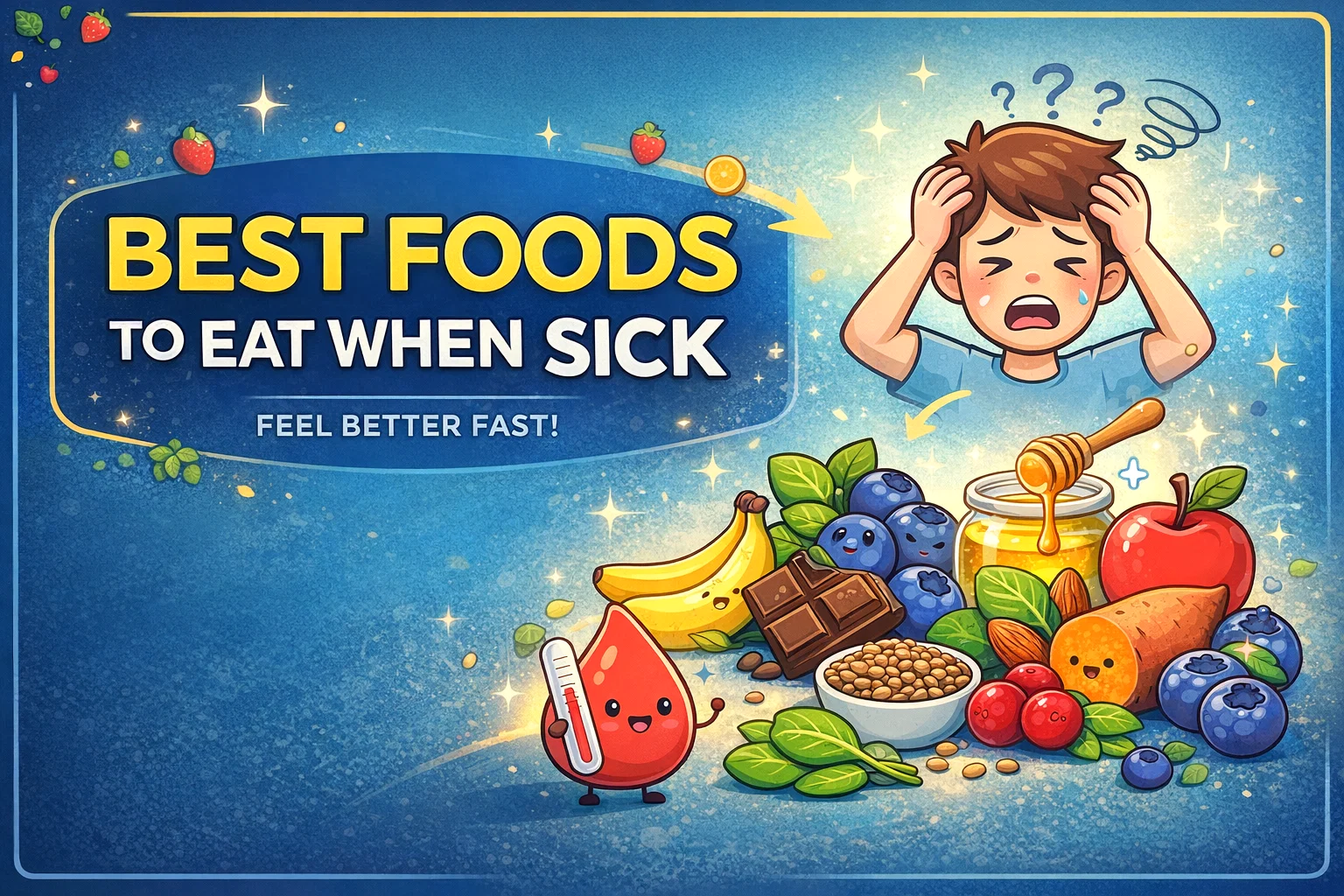
The concept of food synergy is simple but profound. It is the idea that certain nutrients work better when consumed together rather than in isolation. For example, the image we are looking at highlights how simple duos like oats and almonds or spinach and lentils can target specific health concerns. This is not just about filling your stomach; it is about strategic fueling. When we eat with intention, we support our body’s natural ability to heal and maintain balance. This holistic approach focuses on the root cause of discomfort rather than just masking the symptoms.
The Science Behind Functional Eating
Functional foods are those that offer health benefits beyond basic nutrition. Many of the pairings mentioned in our guide are rich in antioxidants, healthy fats, and essential minerals that act as cofactors in biological processes. When you pair dark chocolate with blueberries to combat stress, you are not just enjoying a treat. You are combining the magnesium and flavonoids in chocolate with the anthocyanins in blueberries to lower cortisol levels and protect your brain from oxidative stress. This scientific foundation makes “food as medicine” a practical reality for anyone looking to improve their quality of life.
Shutterstock
Explore
Beating Stress and Brain Fog Naturally
In our fast-paced world, mental fatigue and high stress levels have become the norm. However, what you eat can significantly influence your cognitive clarity and emotional resilience. Brain fog often stems from inflammation or a lack of steady glucose, while stress triggers a cascade of hormones that can leave you feeling drained. The right snacks can act as a buffer against these mental hurdles.
Dark Chocolate and Blueberries for Stress Relief
If you are feeling overwhelmed, a small serving of dark chocolate (at least 70% cocoa) paired with fresh blueberries can be a game changer. Dark chocolate is a well-known source of polyphenols that help improve mood by increasing serotonin levels. When you add blueberries to the mix, you get a massive dose of Vitamin C and antioxidants that help the body manage the physical effects of stress. This pairing is a delicious way to take five minutes for yourself and reset your nervous system.
Walnuts and Blueberries: The Ultimate Brain Fuel
When the afternoon slump hits and you find yourself staring at your computer screen with no focus, it is time for brain-boosting fats. Walnuts are shaped like tiny brains for a reason; they are packed with omega-3 fatty acids which are crucial for cognitive function. Blueberries complement this by improving blood flow to the brain. Together, they create a snack that helps clear the mental cobwebs and sharpens your concentration without the crash associated with caffeine or sugary energy drinks.
Addressing Physical Discomfort: Cramps and Low Iron
Physical ailments like muscle cramps and anemia can be incredibly disruptive to your daily routine. Often, these issues are the body’s way of signaling a mineral deficiency. Instead of ignoring these signs, you can use targeted nutrition to replenish your stores and find relief.
Bananas and Sweet Potatoes for Muscle Recovery
Muscle cramps are frequently caused by an imbalance of electrolytes, specifically potassium and magnesium. Bananas are the go-to source for quick potassium, but pairing them with sweet potatoes provides a more sustained release of minerals and complex carbohydrates. Sweet potatoes are also rich in calcium and magnesium, which help muscles relax. This combination is especially beneficial for athletes or anyone who spends a lot of time on their feet.
Spinach and Lentils: The Iron Powerhouse
Low iron levels lead to fatigue, pale skin, and a general feeling of weakness. While red meat is a common recommendation, a plant-based pairing of spinach and lentils is incredibly effective. Spinach provides a high volume of non-heme iron, and lentils add protein and fiber to keep your energy levels stable. To maximize this pairing, try adding a squeeze of lemon or some bell peppers; the Vitamin C significantly boosts the absorption of iron from plant sources.
Shutterstock
Managing Chronic Health Concerns: Cholesterol and Mood
Long-term health management does not always require drastic changes. Sometimes, it is about the consistent habits we build at the breakfast table. Managing cholesterol and supporting mental health through diet can lead to profound changes over time.
Oats and Almonds for Heart Health
High cholesterol is a silent concern for many, but soluble fiber is one of your best defenses. Oats contain beta-glucan, a type of fiber that helps lower LDL (bad) cholesterol. Adding almonds to your morning oatmeal provides healthy monounsaturated fats and Vitamin E, which protect your arteries from plaque buildup. This pairing is a heart-healthy classic that keeps you full and satisfied until lunch.
Eggs and Mushrooms: The Sunshine Duo for Depression
While clinical depression requires professional medical care, diet plays a supporting role in mood regulation. Eggs are a rare food source of Vitamin D and choline, both of which are essential for brain health. Mushrooms, especially those exposed to UV light, are another excellent source of Vitamin D. Since many people suffer from a “sunshine deficiency,” incorporating this pairing into your diet can help support your emotional well-being, particularly during the darker winter months.
Specialized Support: Allergies and UTIs
Common irritations like seasonal allergies or urinary tract infections (UTIs) can often be managed with specific antimicrobial and anti-inflammatory foods. These natural remedies work with your immune system to reduce inflammation and fight off unwanted bacteria.
Local Honey and Apples for Allergy Relief
Seasonal allergies can make life miserable, but local honey acts like a natural, edible “vaccine.” By consuming small amounts of local pollen found in the honey, your body can become desensitized to environmental triggers. Pairing this with apples, which contain a natural antihistamine called quercetin, can help reduce sneezing and itchy eyes. It is a sweet way to build up your defenses before allergy season hits its peak.
Cranberries and Blueberries: The Urinary Tract Guard
For those prone to UTIs, prevention is key. Cranberries contain compounds called proanthocyanidins (PACs) that prevent bacteria from sticking to the walls of the bladder. Blueberries share similar properties and provide an extra boost of antioxidants to flush out the system. Staying hydrated while consuming these berries can be a powerful preventative measure against recurring infections.
How to Incorporate These Pairings Into Your Daily Life
Knowing which foods to eat is the first step, but the real magic happens when you make it a habit. You do not need to overhaul your entire diet overnight. Instead, look at your current meals and see where you can make simple swaps or additions. Start with breakfast; if you usually have plain cereal, try switching to oats with almonds and blueberries. This one change addresses cholesterol, stress, and brain fog all at once.
Planning Your Wellness Pantry
To make functional eating easy, keep your pantry stocked with these “superfood” staples. Having bags of frozen blueberries, tins of lentils, and containers of walnuts on hand ensures that you always have a healthy option when you are feeling tired or stressed. When you shop for groceries, think about the specific “symptoms” you want to address that week. Are you feeling sluggish? Grab some spinach and sweet potatoes. Is it a high-stress week at work? Make sure you have dark chocolate and honey in the cupboard.
Listening to Your Body’s Cues
The most important part of using food as medicine is learning to listen to your body. We often eat out of habit or boredom, but our bodies are constantly sending us signals. If you have a headache, ask yourself if you have had enough water or if your blood sugar is low. if your muscles feel tight, check if you have had enough potassium. By paying attention to these cues, you can provide your body with the exact nutrients it needs to correct the balance before a minor issue becomes a major problem.
Conclusion: A Greener Path to Feeling Great
Embracing a holistic approach to nutrition is about more than just physical health; it is about taking control of your well-being and finding joy in the healing power of nature. The simple food pairings we have discussed are accessible, affordable, and scientifically backed ways to help you feel better fast. While these tips are wonderful for managing daily discomforts, remember that they are meant to complement, not replace, professional medical advice. By filling your plate with vibrant, nutrient-dense foods, you are making a long-term investment in your health that will pay dividends in energy, clarity, and happiness for years to come. Start small, eat mindfully, and enjoy the journey to a healthier you.