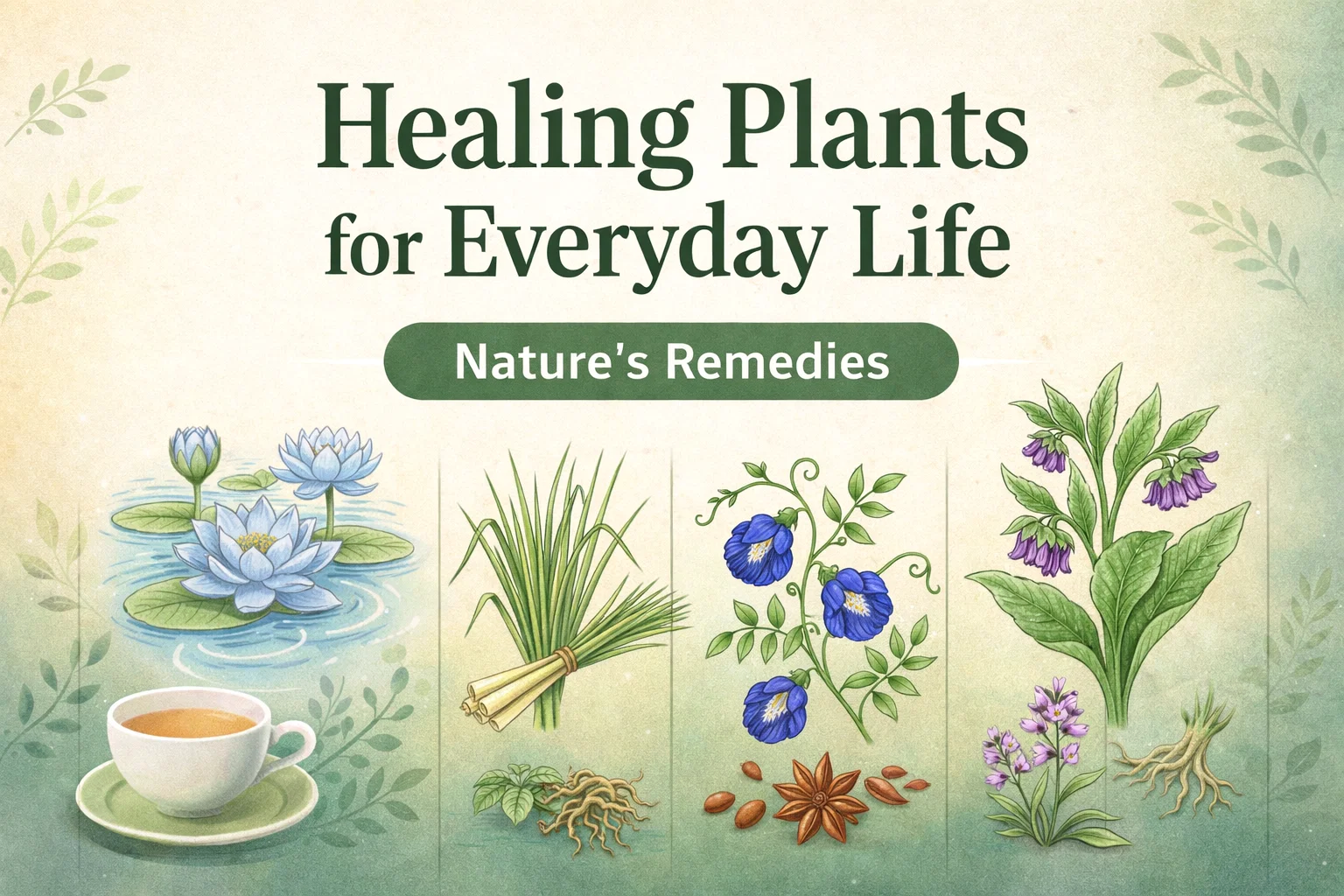
9 Healing Herbs for Natural Wellness Garden Apothecary Guide to Medicinal Plants
Stepping into a garden filled with medicinal herbs feels like entering a living pharmacy where every leaf, root, and flower holds a secret to better health. For centuries, humanity has turned to the earth to find relief for common ailments, and today, the art of the garden apothecary is seeing a beautiful resurgence. There is something deeply grounding about preparing a cup of blue lotus tea or crafting a comfrey salve with your own hands. It connects us to the cycles of nature and empowers us to take a proactive, gentle approach to our daily wellness. Whether you are looking to ease a frantic mind or soothe a physical ache, the plants featured in our guide offer a versatile toolkit for holistic living.
The Magic of Calming Botanicals
In our fast-paced modern world, finding moments of genuine peace can be a challenge. Nature provides several allies that specifically target the nervous system, helping to lower stress levels and improve emotional resilience. By incorporating these plants into your evening routine, you can create a sanctuary of calm right in your own home.
Blue Lotus for Emotional Balance
The Blue Lotus is more than just a stunning aquatic flower; it is a symbol of tranquility and spiritual awakening. Traditionally used in ancient cultures, it is celebrated for its ability to enhance mood and ease deep-seated tension. Many people find that sipping a tea made from dried petals helps to induce a meditative state, making it an excellent companion for yoga or journaling. Its mild sedative properties are perfect for those nights when your mind refuses to quiet down.
Butterfly Pea and Memory Support
Beyond its famous ability to turn tea a vibrant shade of cobalt blue, the Butterfly Pea flower is a powerhouse of antioxidants. It has been used in traditional medicine to improve memory and calm the nerves. The high concentration of anthocyanins helps protect the body from oxidative stress while providing a refreshing, earthy flavor. Because it is caffeine-free, it serves as a wonderful alternative to traditional teas when you need to focus without the jitters.
Wood Betony for Headaches and Nerves
Wood Betony was once so highly regarded that it was said to cure dozens of different maladies. Today, it is primarily valued for its affinity for the head and face. If you struggle with tension headaches or a generally frazzled nervous system, Wood Betony can be a game changer. It is often consumed as a tea or tincture to ground the energy and provide relief from the pressure of a busy day.
Plants for Digestive Harmony and Vitality
A healthy gut is often considered the foundation of overall wellness. When our digestion is sluggish or irritated, it affects our energy, skin, and even our mood. Several garden plants are specifically suited to refreshing the body and ensuring that our digestive processes run smoothly.
The Refreshing Power of Lemongrass
Lemongrass is a staple in many kitchens for its bright, citrusy aroma, but its benefits extend far beyond flavor. It is exceptional for aiding digestion and refreshing the body after a heavy meal. The essential oils found in the fresh stalks have antimicrobial properties that support a healthy gut microbiome. Drinking lemongrass tea can also help reduce the physical symptoms of stress, such as a tight stomach or digestive discomfort.
Spearmint for Instant Relief
Spearmint is perhaps the most accessible herb for digestive support. Unlike its more intense cousin, peppermint, spearmint is gentle enough for daily use and for those with sensitive stomachs. It is incredibly effective at easing nausea and calming stomach cramps. Keeping a pot of spearmint on your windowsill allows you to pluck fresh leaves for a quick infusion whenever you need a breath of fresh air or a digestive boost.
Star Anise as a Digestive Aid
Star Anise is not just for holiday baking. These beautiful seed pods are rich in compounds that relieve bloating and gas. In many cultures, chewing on a small piece of the pod after a meal is a common practice to stimulate digestive enzymes. Furthermore, star anise is a fantastic ally during the cold and flu season, as it helps to relieve respiratory symptoms and boost the immune system.
Nurturing the Body with Roots and Leaves
Some of the most potent medicine in the garden is found hidden beneath the soil or in the sturdy leaves of perennial plants. These remedies are often focused on structural support, skin health, and long-term recovery.
Marshmallow Root for Soothing Protection
Marshmallow root is a “mucilaginous” herb, which means it creates a slippery substance that coats and protects irritated tissues. This makes it the ultimate remedy for a sore throat or a dry, hacking cough. Because it is so soothing, it is also used to calm the lining of the digestive tract. Whether you use it in a syrup or a cold-infusion tea, it provides a layer of comfort that is hard to find elsewhere in the plant kingdom.
Sarsaparilla for Detoxification and Skin
Sarsaparilla has a long history of use as a blood purifier. It is particularly known for supporting skin health by helping the body detoxify more efficiently. For those dealing with chronic skin issues or looking to improve their complexion, sarsaparilla root can be taken as a powder or tincture. It works from the inside out to promote a clear, healthy glow.
Comfrey for Physical Recovery
Often called “knitbone,” comfrey is a legendary plant for supporting wound healing and soothing sore muscles. It contains allantoin, a compound that encourages cell growth and tissue repair. While it should not be used on deep or open wounds, a comfrey salve or poultice is perfect for bruises, sprains, and tired joints. It is a must-have in any natural first-aid kit for those who lead an active lifestyle.
How to Use Your Garden Apothecary
Knowing which plants to use is only half the battle; understanding the best forms of delivery ensures you get the most out of your herbal allies. Each plant has a specific preparation style that honors its chemical makeup.
- Herbal Teas and Infusions: Best for delicate leaves and flowers like Spearmint, Blue Lotus, and Lemongrass. Use hot water to extract the flavors and volatile oils.
- Decoctions: Best for tough roots and barks like Sarsaparilla or Marshmallow Root. These need to be simmered in water for a longer period to release their medicinal properties.
- Tinctures: Alcohol-based extracts that provide a concentrated dose of the plant. These are convenient for on-the-go use and have a long shelf life.
- Topical Applications: Salves, oils, and poultices are ideal for plants like Comfrey that work best when applied directly to the skin or muscles.
Creating a Sustainable Herbal Practice
As you begin to explore the world of healing plants, it is important to approach the practice with respect and mindfulness. Always ensure that you are correctly identifying any plant before use, and if you are harvesting from the wild, do so sustainably. If you are new to herbalism, starting with a few well-known plants like Spearmint or Lemongrass allows you to build confidence. Over time, you can expand your garden to include more specialized roots and flowers, creating a personalized apothecary that meets the specific needs of your family.
Safety First in the Garden
While natural remedies are generally gentle, they are still powerful. It is always a good idea to consult with a healthcare professional before starting any new herbal regimen, especially if you are pregnant, nursing, or taking prescription medications. Some herbs can interact with drugs or have contraindications for certain health conditions. Education is the key to a safe and rewarding experience with plant medicine.
Embracing the Wisdom of the Earth
The journey of a garden apothecary is a rewarding path that brings us closer to the rhythms of the natural world. By learning the uses and forms of these nine incredible plants, you are reclaiming a piece of ancient wisdom that has supported human health for millennia. From the calming influence of the Wood Betony to the restorative powers of Comfrey, the garden offers a solution for almost every everyday need. Start your journey today by planting a single herb or brewing a mindful cup of tea, and feel the transformative power of nature working in your life. There is no better time than now to embrace the healing plants that grow right outside your door.