Healing Garden Plants 25 Medicinal Herbs to Grow for Natural Remedies and Home Wellness
Creating a sanctuary in your own backyard is about more than just curb appeal; it is about cultivating a living medicine cabinet that supports your well-being from the ground up. A healing garden is a intentional space where nature and therapy intersect, allowing you to grow the very ingredients needed for teas, tinctures, and topical salves. When you look at a diverse map of medicinal plants, you see a roadmap to self-sufficiency and holistic health. By choosing to plant specific herbs, you are not just gardening, you are curate a lifestyle centered on vitality and natural rhythm.
The Foundations of a Functional Healing Garden
Before you get your hands in the dirt, it is important to understand the layout of a medicinal space. Unlike a traditional vegetable patch, a healing garden often incorporates aesthetic beauty with high-functioning biology. The goal is to create an ecosystem where plants like lavender, echinacea, and holy basil can thrive together. Diversity is the secret to a healthy garden, as different root structures and scents help deter pests naturally while enriching the soil profile.
Selecting the right location is your first step. Most medicinal herbs, especially those from Mediterranean climates like rosemary and sage, require at least six to eight hours of direct sunlight. However, some forest-dwellers like ginseng or goldenseal prefer the dappled shade. By observing the light patterns in your yard, you can tuck each plant into its perfect niche, ensuring they produce the high concentrations of essential oils and active compounds that make them effective as remedies.
Top Medicinal Herbs for Your Home Apothecary
Every healing garden should feature a core group of “workhorse” plants that address common daily needs. These plants are generally hardy, easy to maintain, and offer a wide range of benefits for the body and mind.
Calming and Nervine Herbs
- Lavender: Known for its signature purple spikes, lavender is the queen of relaxation. It is incredible for reducing anxiety and improving sleep quality when dried and placed in a sachet or brewed into a light tea.
- Lemon Balm: A member of the mint family, this bright green herb smells like lemon candy. It is a gentle sedative that helps lift the mood and soothe an upset stomach caused by stress.
- Valerian: While the flowers smell lovely, the root is where the power lies. It is one of nature’s most potent sleep aids, helping to quiet a busy mind at the end of a long day.
- Chamomile: The daisy-like flowers are a staple for any home. Chamomile is gentle enough for children and serves as a wonderful anti-inflammatory and digestive aid.
Immune Support and Vitality
- Echinacea: Also known as coneflower, this beautiful perennial is famous for its ability to support the immune system. Both the roots and the flowers can be used to help the body fight off seasonal sniffles.
- Ginseng: This slow-growing root is prized in many cultures as an adaptogen. It helps the body “adapt” to stress and provides a natural boost to energy levels without the jitters associated with caffeine.
- Holy Basil (Tulsi): In many traditions, Tulsi is considered a sacred plant. It is an incredible herb for respiratory health and acts as a powerful protector against environmental stressors.
- Elderberry: Though it grows into a larger shrub, its berries are essential for making immune-boosting syrups that are a favorite during the colder months.
Designing with Purpose: Pathways and Accessibility
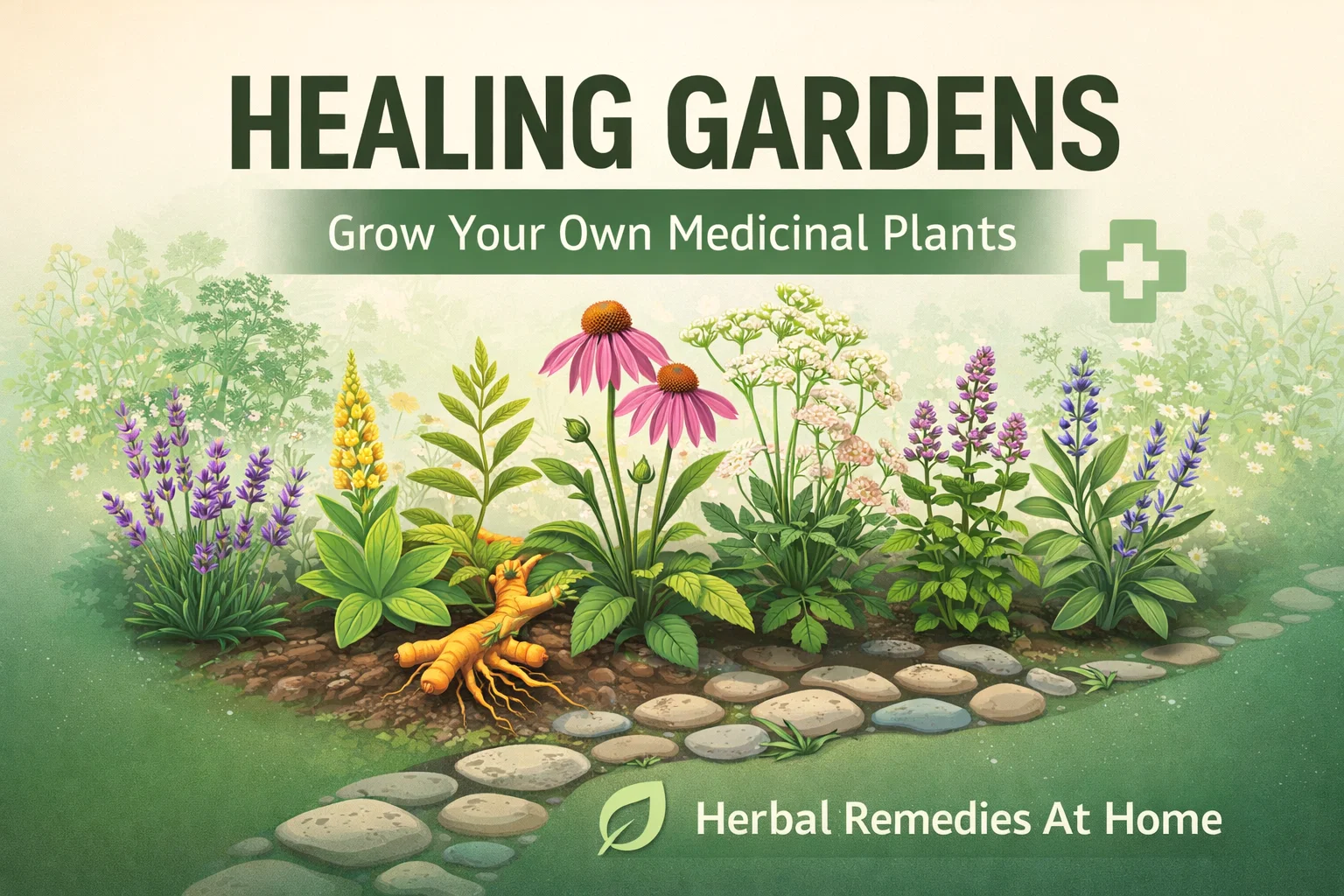
A healing garden should be a place of reflection. Incorporating a winding stone path, much like the one seen in many classic garden designs, serves a dual purpose. Practically, it allows you to reach your herbs for harvesting without trampling the delicate soil around the roots. Psychologically, the act of walking through the garden becomes a meditative practice in itself. Using natural river stones or reclaimed wood can enhance the earthy feel of the space.
Consider the height of your plants when designing the layout. Taller herbs like dill, valerian, and yarrow should be placed toward the back or the center of a bed, while low-growing groundcovers like thyme and oregano can spill over the edges of the path. This creates a visual “hug” that makes the garden feel lush and immersive. It also ensures that smaller plants aren’t shaded out by their more aggressive neighbors.
The Benefits of Culinary Herbs in Healing
We often think of herbs like garlic, onions, and rosemary solely as kitchen staples, but they are some of the most powerful healers in the garden. Integrating these into your landscape bridges the gap between the kitchen and the apothecary. Garlic and onions are rich in sulfur compounds and act as natural antimicrobials, making them excellent for cardiovascular health and fighting infections.
Rosemary and sage are not just for seasoning poultry. Rosemary is traditionally associated with memory and cognitive function, as its scent can help increase blood flow to the brain. Sage has powerful astringent properties and is often used as a throat gargle to soothe soreness. By growing these ourselves, we ensure they are free from the pesticides and long shipping times that can degrade their medicinal potency.
Nurturing the Soil for Maximum Potency
The strength of your herbal tea starts with the health of your soil. Plants grown in nutrient-poor dirt will struggle to produce the secondary metabolites responsible for their healing properties. To get the most out of your healing garden, focus on organic amendments. Composting kitchen scraps and yard waste provides a slow-release fertilizer that mimics the natural forest floor.
Avoid chemical fertilizers at all costs. Since you will be consuming these plants or applying them to your skin, you want them to be as pure as possible. Using mulch like straw or shredded leaves helps retain moisture and encourages beneficial microbes to thrive. Healthy soil leads to healthy plants, which in turn leads to a healthier you.
Harvesting and Preserving Your Homegrown Medicine
Knowing when to harvest is just as important as knowing how to grow. For most leafy herbs like peppermint, skullcap, and nettles, the best time to harvest is in the mid-morning after the dew has evaporated but before the afternoon sun becomes too intense. This is when the essential oils are most concentrated in the leaves.
If you are harvesting roots, such as ginger, turmeric, or marshmallow, you generally want to wait until the autumn when the plant’s energy has returned to the earth. Flowers like calendula and yarrow should be picked when they are just beginning to open. Once harvested, you can dry them in a cool, dark place with plenty of airflow. Once they are crisp to the touch, store them in airtight glass jars away from direct light to preserve their healing properties for months to come.
The Spiritual and Mental Impact of Gardening
Beyond the physical remedies, the act of tending a healing garden provides immense mental health benefits. Digging in the dirt has been shown to release serotonin in the brain, acting as a natural antidepressant. The patience required to watch a dandelion transform from a yellow bloom into a puff of seeds, or a ginger rhizome to sprout its first green shoot, teaches us about the cycles of life and the importance of slowing down.
Your garden becomes a sanctuary where the noise of the digital world fades away. Whether you are pruning the rosemary or simply sitting on a bench among the lavender, the garden offers a unique form of therapy that no pill can replicate. It is a place of connection, where you are a participant in the natural world rather than just an observer.
Conclusion: Your Journey to Herbal Self-Sufficiency
Starting a healing garden is an investment in your future self. It is a commitment to learning the language of plants and understanding how they can support our bodies in a gentle, sustainable way. From the spicy kick of fresh ginger to the cooling touch of aloe vera, the plants you grow will become your trusted allies in health. You do not need a massive estate to begin; a few pots on a windowsill or a small raised bed are enough to start your journey.
As you watch your garden grow, you will find that you are growing right along with it. You will become more attuned to the seasons, more aware of your body’s needs, and more confident in your ability to care for yourself and your family naturally. So, grab a trowel, pick out a few of your favorite seeds, and start planting your own healing sanctuary today. The earth is ready to provide everything you need to thrive.