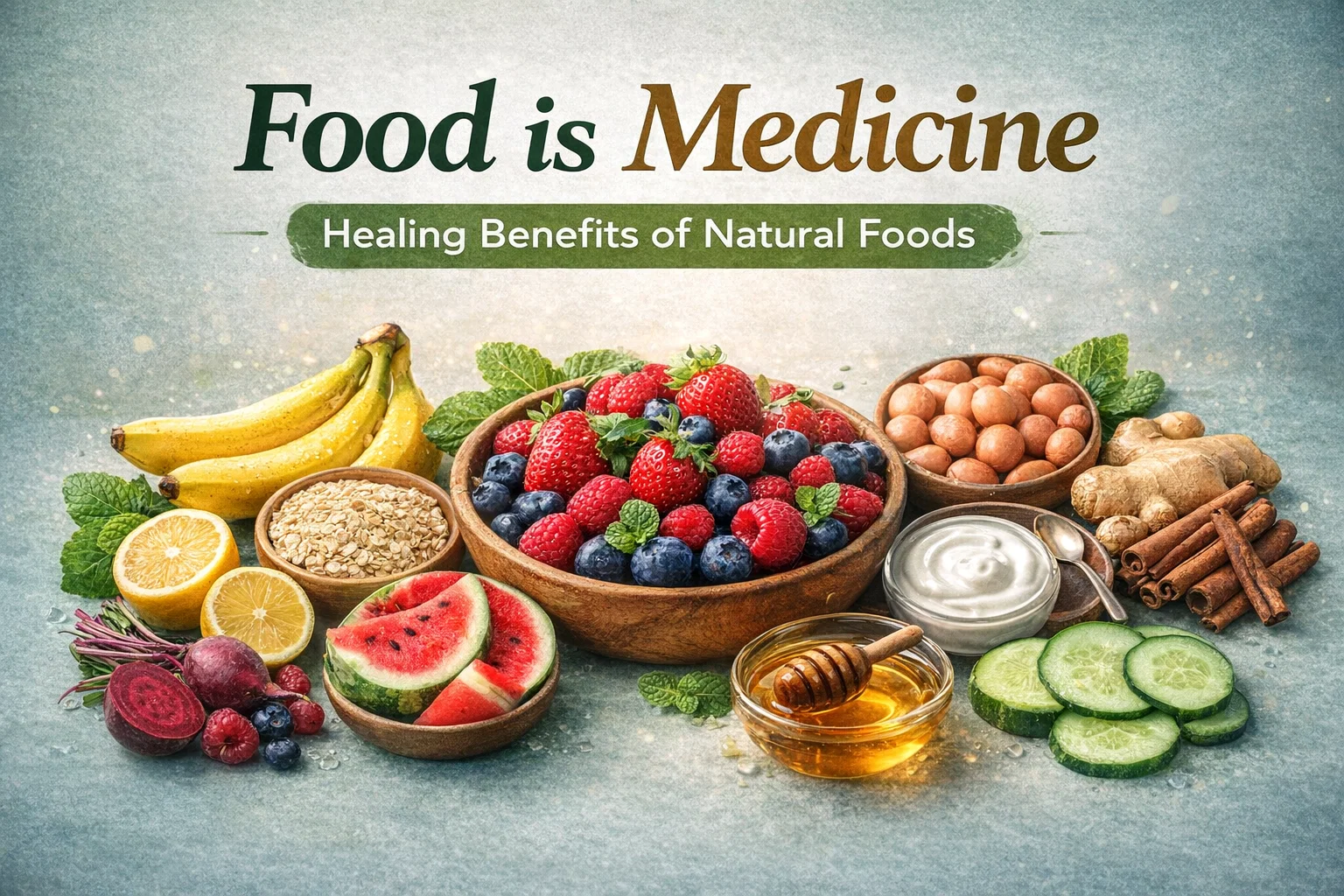
Natural Remedies 16 Healing Foods for Inflammation, Immunity, and Better Digestion
Food is much more than just a source of energy to get us through the day. In our modern, fast-paced world, it is easy to forget that every single bite we take is an opportunity to nourish our cells, balance our hormones, and heal our bodies from the inside out. The concept of using food as medicine is an ancient practice that is finding its way back into the spotlight of modern wellness. By understanding the specific properties of common kitchen staples, we can take a proactive approach to our health, addressing everything from inflammation and digestion to mental clarity and muscle recovery.
The Power of Whole Foods in a Modern World
In an era dominated by processed snacks and quick meals, returning to whole, single-ingredient foods can feel like a radical act of self-care. The beauty of a holistic diet lies in its simplicity. Nature has already packaged the vitamins, minerals, and antioxidants we need into vibrant fruits, crunchy nuts, and aromatic spices. When we prioritize these items, we are not just eating; we are providing our bodies with the biological tools necessary to maintain homeostasis and thrive.
Building a Foundation for Longevity
Longevity is not just about living more years, but about ensuring those years are filled with vitality. A diet rich in plants, healthy fats, and lean proteins acts as a shield against chronic illness. For instance, incorporating foods that manage blood pressure and cholesterol can significantly reduce the long-term strain on the cardiovascular system. It is about making small, sustainable choices every day that add up to a lifetime of health.
Natural Anti-Inflammatories and Pain Relief
Chronic inflammation is often cited as the root cause of many modern ailments, including joint pain, skin issues, and even cognitive decline. Fortunately, your spice rack and produce drawer are home to some of the most potent anti-inflammatory agents known to science.
Turmeric: The Golden Healer
Turmeric has been used in Ayurvedic medicine for centuries, and for good reason. Its active compound, curcumin, is a powerful anti-inflammatory that rivals some over-the-counter medications. It is particularly effective for those dealing with joint stiffness or general systemic inflammation. To get the most out of turmeric, remember to consume it with a pinch of black pepper, which helps your body absorb the curcumin more effectively.
Ginger for Muscle and Joint Recovery
Whether you are an athlete or someone who experiences occasional aches, ginger is a must-have. Known for its ability to reduce muscle pain and soreness, ginger works by inhibiting the production of pro-inflammatory chemicals in the body. It is also a fantastic remedy for nausea, making it a versatile tool for overall physical comfort.
Boosting Brain Function and Mental Clarity
What we eat has a profound impact on our cognitive performance, memory, and mood. The brain is an energy-intensive organ that requires specific nutrients to function at its peak. If you find yourself struggling with brain fog or a lack of focus, your diet might be the missing piece of the puzzle.
Almonds: The Ultimate Brain Snack
Almonds are packed with vitamin E, which is known to support brain health and prevent cognitive decline as we age. They also provide healthy fats and fiber, which keep your energy levels stable. Stable energy means no mid-afternoon crashes that leave you feeling unfocused and irritable. A handful of almonds is the perfect fuel for a productive afternoon.
Walnuts and Heart-Brain Synergy
Walnuts are unique because they are high in omega-3 fatty acids, specifically alpha-linolenic acid. These fats are crucial for maintaining the structural integrity of brain cells. Interestingly, walnuts even look like tiny brains, which is a great mnemonic for remembering their primary benefit. By supporting heart health and blood flow, walnuts ensure that the brain receives a steady supply of oxygen and nutrients.
Digestive Health and the Microbiome
A healthy gut is the cornerstone of a healthy life. Your digestive system is responsible for absorbing nutrients and houses a significant portion of your immune system. If your digestion is sluggish, it can affect everything from your skin to your energy levels.
Yogurt and Probiotic Support
Yogurt is one of the most accessible sources of probiotics, the beneficial bacteria that live in your gut. These microbes help break down food, synthesize vitamins, and keep harmful bacteria in check. Regular consumption of high-quality, unsweetened yogurt can lead to smoother digestion and a more resilient immune system.
Apples for Fiber and Regularity
The old saying about an apple a day holds a lot of truth, especially regarding digestion. Apples are rich in pectin, a type of soluble fiber that helps keep things moving through the digestive tract. This makes them an excellent natural remedy for constipation and a simple way to maintain a healthy weight by keeping you feeling full longer.
Hydration and Skin Radiance
While drinking water is essential, eating your hydration can be just as effective. Many fruits and vegetables are composed of over 90 percent water and come with the added benefit of electrolytes and skin-loving vitamins.
Watermelon and Cucumber: Internal Hydration
Watermelon and cucumbers are the kings of hydration. Watermelon provides lycopene, an antioxidant that protects the skin from sun damage, while cucumbers contain silica, which strengthens connective tissue and promotes a clear, glowing complexion. Including these in your diet ensures that your cells stay plump and your skin stays hydrated from the inside out.
Lemons for Detoxification
Starting your day with lemon water is a classic wellness ritual for a reason. Lemons are highly alkaline once metabolized and help stimulate the liver, the body’s primary detox organ. By aiding the natural detoxification process, lemons help clear out toxins that can lead to dull skin and low energy.
Managing Blood Sugar and Energy
Fluctuating blood sugar levels can lead to cravings, mood swings, and fatigue. Learning how to use food to stabilize these levels is a game-changer for daily productivity and long-term metabolic health.
Cinnamon for Glucose Control
Cinnamon is more than just a tasty topping for oatmeal. It has been shown to improve insulin sensitivity and lower blood sugar levels. By slowing the breakdown of carbohydrates in the digestive tract, cinnamon prevents the sharp spikes and crashes that often follow a meal.
Oats for Sustained Energy
Oats are a complex carbohydrate that provides a slow and steady release of glucose into the bloodstream. They are also famous for their ability to lower LDL cholesterol. Starting your morning with a bowl of oats ensures that you have the endurance to tackle your to-do list without reaching for sugary snacks later in the day.
Quick Reference Guide to Healing Foods
-
Bananas: High in potassium to help prevent and soothe muscle cramps.
Beets: Natural nitrates help relax blood vessels and lower blood pressure.
Strawberries: Loaded with vitamin C to give your immune system a much-needed boost.
Honey: A natural antibacterial agent that is perfect for soothing a sore throat.
Eggs: A complete protein source that provides steady, long-lasting energy.
The Role of Natural Sweeteners and Comfort Foods
Wellness does not have to mean deprivation. There is plenty of room for sweetness when it is derived from natural sources that offer therapeutic benefits. Honey, for example, is a biological marvel. It has been used for millennia as a wound healer and a cough suppressant. When you feel a scratchy throat coming on, a spoonful of raw honey can provide immediate relief while supporting your body’s defense mechanisms.
Bananas and Electrolyte Balance
If you find yourself waking up with leg cramps or feeling depleted after a workout, you might need more potassium. Bananas are the go-to fruit for restoring electrolyte balance. They are also incredibly easy on the stomach, making them a perfect pre-workout snack or a gentle food for those recovering from digestive upsets.
Making the Transition to Food as Medicine
Changing your diet can feel overwhelming, but you do not have to overhaul your entire kitchen overnight. The best approach is to start small by adding one or two of these healing foods to your daily routine. Maybe you start adding cinnamon to your coffee, or perhaps you swap your morning cereal for a bowl of oats and berries. These small shifts create a ripple effect, leading to better habits and improved well-being.
Listen to Your Body
The most important part of using food as medicine is learning to listen to the signals your body is sending. If you feel tired, look for energy-boosting foods like eggs. If you feel stressed or inflamed, lean into the power of turmeric and ginger. Your body is constantly communicating its needs; you just need to provide it with the right ingredients to respond.
Conclusion: Your Kitchen is Your Pharmacy
Every time you step into the grocery store or your local farmers market, you are essentially browsing a pharmacy filled with natural cures and preventative treatments. By choosing whole, vibrant foods like the ones discussed today, you are taking control of your health in the most delicious way possible. From the anti-inflammatory power of turmeric to the brain-boosting benefits of walnuts, nature has provided everything we need to live a vibrant, healthy life. Start experimenting with these ingredients today and experience the incredible transformation that happens when you truly treat food as medicine.