9 Herbs to Prune for a Faster Harvest Essential Herb Gardening Tips for Beginners
Creating a thriving herb garden is one of the most rewarding projects for any home cook or plant lover. There is something truly magical about reaching for a handful of fresh basil or a sprig of rosemary right from your windowsill to elevate a meal. However, many indoor gardeners face a common frustration when their once bushy plants become leggy, woody, or stop producing leaves altogether. The secret to maintaining a lush and productive harvest lies in one simple yet often overlooked task: pruning. While it might feel counterintuitive to cut back a plant you want to grow, regular trimming is actually the key to stimulating new growth and extending the life of your favorite kitchen staples.
Why Pruning is Essential for Herb Health
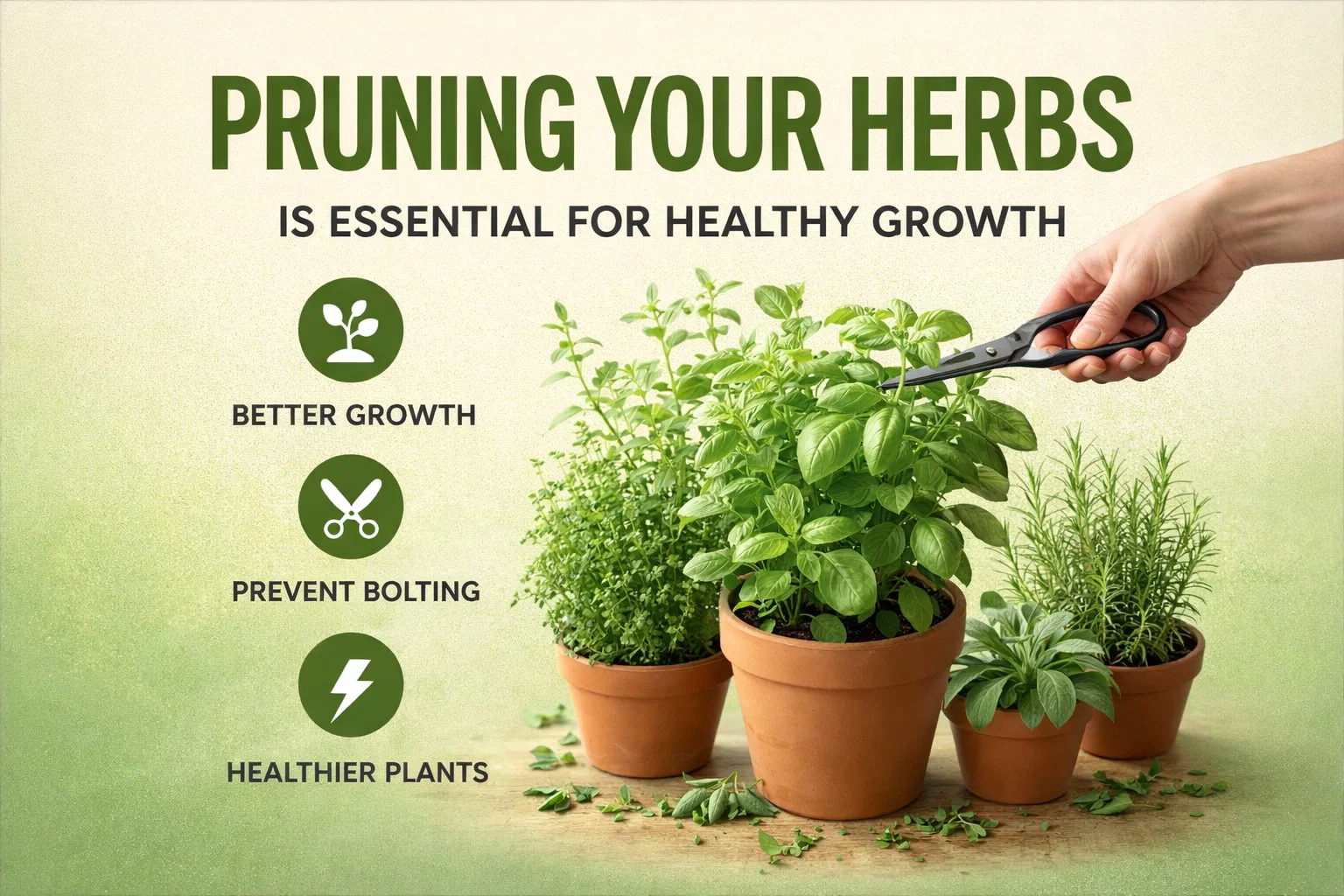
In the natural world, plants are often nibbled on by wildlife, which triggers a survival response to grow back even stronger. When we prune our indoor herbs, we are mimicking this process. Without regular intervention, many herbs will naturally try to flower and produce seeds, a process known as bolting. Once a plant bolts, the energy shifts away from leaf production, often making the foliage taste bitter or tough. By consistently pinching back the tips and removing flower buds, you signal to the plant that it needs to stay in its vegetative state, resulting in more flavorful leaves and a much longer harvest season.
Beyond preventing bolting, pruning helps with airflow and light penetration. When a plant becomes too dense or overgrown, the inner leaves can become susceptible to mold or pests due to lack of circulation. Opening up the structure of the plant ensures that every leaf gets the sunlight it needs to photosynthesize efficiently. This practice also helps maintain a manageable shape, preventing your herbs from taking over the entire countertop or becoming top heavy and falling over in their pots.
Mastering the Art of Pruning Basil
Timing and Technique
Basil is perhaps the most popular herb for indoor growing, but it is also one of the most misunderstood. To keep basil productive, you should start pruning once the plant is about six inches tall and has several sets of true leaves. The golden rule for basil is to always cut just above a leaf pair. This is where the plant hides its dormant buds. When you remove the main stem above these buds, the plant will branch out into two new stems, effectively doubling your harvest with a single snip.
Preventing Bitter Leaves
One of the biggest challenges with basil is its tendency to flower quickly in warm weather. You must remove any flower spikes as soon as they appear. If the plant is allowed to bloom, the essential oils that give basil its signature aroma and flavor will dissipate, leaving you with leaves that lack punch. Aim to pinch the tips every one to two weeks to keep the plant bushy and the flavor profile at its peak.
Revitalizing Mint and Oregano
Controlling Invasive Growth
Mint and oregano are both members of the Lamiaceae family and are known for their vigorous, almost invasive growth habits. In a pot, this means they can quickly become a tangled mess if left to their own devices. For these herbs, a more aggressive pruning schedule of every two to three weeks is ideal. This keeps the stems flexible and prevents them from becoming too woody at the base.
Harvesting for Fullness
When pruning mint or oregano, do not be afraid to take a significant amount. Cutting back up to a third of the plant at once is perfectly safe and actually encourages a more rounded, attractive shape. If you notice your mint is sending out long runners over the side of the pot, trim those back to focus the energy on the central root system and upward growth. This ensures you have a constant supply of tender, fragrant leaves for teas, mojitos, or Mediterranean dishes.
Managing Woody Herbs: Rosemary, Thyme, and Sage
The Delicate Balance of Rosemary
Rosemary is a perennial shrub that requires a slightly different approach than soft-stemmed herbs. Because it develops a woody trunk, you should focus on light, frequent pruning rather than heavy hacking. Avoid cutting back into the old, brown wood where there are no visible needles, as these sections often fail to sprout new growth. Instead, trim the soft, green tips every few weeks. This maintains the shape and encourages the plant to fill out without putting it under undue stress.
Thinning Out Thyme and Sage
Thyme and sage also tend to get woody over time. For thyme, regular haircuts every week or two will keep the delicate stems from matting together. Sage, with its large and soft leaves, should be pruned just above the leaf nodes. This prevents the plant from becoming too leggy and falling open in the center. Keeping these herbs well-groomed ensures they remain a beautiful and functional part of your kitchen decor for years to come.
Cilantro and Parsley: The Successive Harvest
Delaying the Bolt in Cilantro
Cilantro is notoriously finicky because it loves to bolt as soon as the temperature rises even slightly. To get the most out of your cilantro, you must pinch the center stems weekly. This delays the production of the tall, lacy flower stalks. Once cilantro begins to flower, the leaf shape changes and the flavor becomes soapy for many people. Constant harvesting of the largest leaves will keep the plant focused on producing the foliage you need for salsas and curries.
The Outer Stem Strategy for Parsley
Parsley grows in a rosette pattern, meaning new growth emerges from the very center of the plant. Because of this, you should never cut the heart of the parsley plant. Instead, harvest the outermost stems at the base of the plant. This allows the younger, smaller leaves in the middle to continue developing. By following this method, you create a sustainable cycle of growth that can provide fresh parsley for months on end.
Common Pruning Mistakes to Avoid
Over-Pruning and Stress
While pruning is beneficial, it is possible to have too much of a good thing. A general rule of thumb is never to remove more than one third of a plant’s total foliage at one time. Removing too much can shock the plant and hinder its ability to recover. If a plant looks particularly weak or stressed, give it a week of rest with plenty of light and water before picking up the shears again.
Using the Wrong Tools
Tearing at stems with your fingers can create jagged wounds that are slow to heal and invite disease. For the best results, use a sharp pair of micro-tip pruning snips or dedicated kitchen shears. Clean, precise cuts heal faster and keep your herbs looking professional. Always make sure your tools are clean to avoid spreading any potential pathogens from one plant to another.
Optimizing Your Environment for Post-Pruning Growth
After a good pruning session, your herbs will need a little extra support to bounce back. Ensure they are receiving at least six to eight hours of bright light daily. If you are growing indoors during the winter, a supplement grow light can make a massive difference in how quickly they regenerate. Additionally, consider a light application of organic fertilizer once a month. Since you are frequently removing parts of the plant, you are also removing the nutrients stored in those leaves, so replenishing the soil is vital for long-term success.
Creative Ways to Use Your Pruned Herbs
The best part about regular pruning is the constant supply of fresh ingredients. If you find yourself with more trimmings than you can use in a single meal, there are plenty of ways to preserve the harvest. You can freeze herbs in olive oil using ice cube trays for easy additions to sauté pans later. Alternatively, drying herbs like oregano, thyme, and rosemary is simple and results in much better flavor than store bought dried versions. Even if you only have a small handful of scraps, they can be tossed into a bottle of vinegar or oil to create custom infusions that look beautiful on your kitchen shelf.
Conclusion: Cultivating a Greener Thumb
Mastering the art of pruning is a journey of observation and practice. By paying close attention to how each specific herb responds to your touch, you will develop an intuitive sense for when it is time to trim and when it is time to let the plant rest. Remember that every cut you make is an investment in the future health and productivity of your garden. With consistent care, sharp shears, and a bit of patience, you can transform a few simple pots into a bountiful indoor oasis that provides fresh flavor and vibrant greenery all year round. Start small, stay consistent, and enjoy the delicious rewards of a well-maintained herb garden.