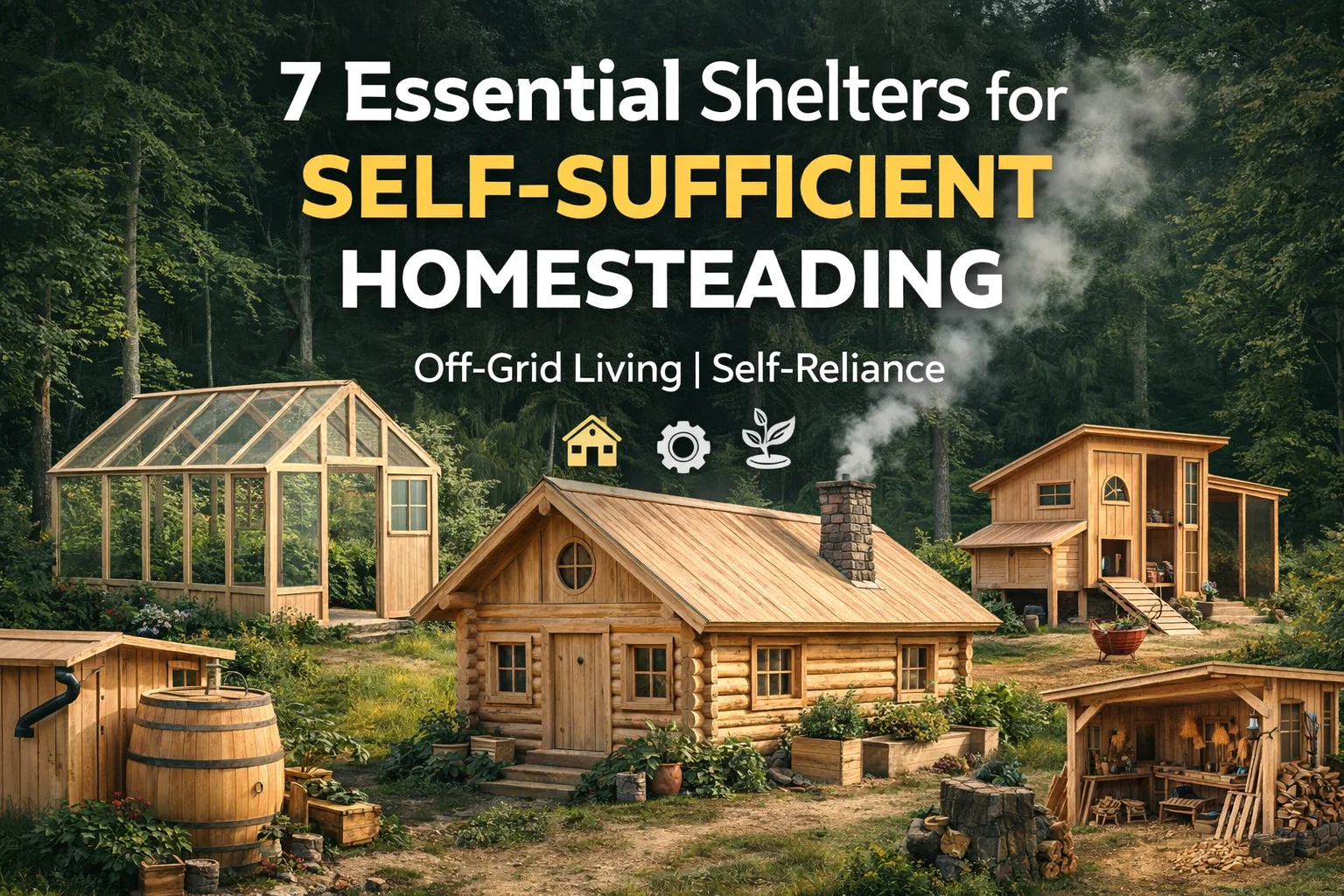
7 Essential Off-Grid Shelters for a Self-Sufficient Homestead Homesteading Tips
Stepping onto a piece of raw land with the dream of self-sufficiency is one of the most empowering decisions a person can make. There is a profound sense of peace that comes from knowing you can provide for your own basic needs, from shelter and warmth to food and water. However, the transition from modern convenience to a functional homestead requires more than just a piece of dirt and a tent. It requires a strategic layout of specialized structures designed to work in harmony with nature. To build a truly resilient life, you need a collection of essential shelters that serve as the heartbeat of your land.
Whether you are carving out a homestead in the deep woods or setting up a sustainable farm on a rolling prairie, your infrastructure determines your success. Each building on your property should serve a specific purpose, protecting your resources from the elements and streamlining your daily chores. By focusing on these seven foundational shelters, you create a closed-loop system where nothing goes to waste and every square foot of your land is put to productive use. Let’s explore how these essential structures transform a simple plot of land into a thriving, self-sufficient sanctuary.
The Main Cabin: Your Command Center for Off-Grid Living
The centerpiece of any self-sufficient property is the main cabin. This is more than just a place to sleep; it is the hub where you plan your day, process your harvests, and seek refuge from the changing seasons. When building for self-sufficiency, the design of your cabin should prioritize thermal mass and efficiency. Small, well-insulated spaces are much easier to heat with a wood stove and require less maintenance over time. Using natural materials like logs or stone can help the structure blend into the environment while providing incredible durability.
Designing for Functionality and Comfort
Inside a self-sufficient cabin, every inch must be utilized. Open floor plans allow heat to circulate freely, while lofted sleeping areas take advantage of the rising warm air. Large windows facing south can provide passive solar heating during the winter months, reducing your reliance on fuel. It is also vital to include a dedicated mudroom or entryway where you can shed dirty boots and work clothes before entering the main living space, keeping your home clean and organized despite the rigors of outdoor work.
The Greenhouse: Extending Your Growing Season
To be truly self-sufficient, you must be able to grow your own food regardless of the weather outside. A greenhouse is an absolute necessity for anyone looking to achieve food security. It acts as a controlled environment where you can start seeds early in the spring, grow heat-loving crops like tomatoes and peppers in the summer, and keep hardy greens alive well into the winter. By trapping solar energy, the greenhouse creates a microclimate that defies the local growing zone.
Maximizing Greenhouse Productivity
A well-built greenhouse should include proper ventilation to prevent overheating and integrated shelving to maximize vertical growing space. Many homesteaders choose to use a combination of raised beds and hydroponic systems to get the highest yield possible. If you position your greenhouse near your main cabin, you can easily monitor your plants and harvest fresh ingredients for dinner in just a few steps. It is the ultimate tool for turning sunlight into sustenance.
The Chicken Coop: Nature’s Little Workers
No homestead is complete without a flock of chickens. These birds are the workhorses of a self-sufficient farm, providing a steady supply of high-quality protein in the form of eggs and occasionally meat. Beyond food, chickens play a vital role in land management. They eat pests, scratch the soil to aerate it, and produce nutrient-rich manure that is gold for your garden compost. A dedicated chicken coop provides them with a safe place to roost at night and protection from predators like foxes and hawks.
Safety and Comfort for Your Flock
A functional coop needs to be easy to clean and well-ventilated to prevent respiratory issues in your birds. It should include nesting boxes filled with soft straw and sturdy roosting bars. Many modern homesteaders also incorporate a secure outdoor run or use mobile “chicken tractors” to move the birds around the property, allowing them to forage on fresh grass while naturally fertilizing different areas of the land. When your chickens are happy and safe, they will reward you with an abundance of resources.
The Root Cellar: Nature’s Original Refrigerator
Once you have mastered the art of growing food, the next challenge is storing it. Before the days of electric refrigeration, the root cellar was the most important structure on the farm. By digging into the earth, you can tap into the constant, cool temperatures found underground. A root cellar provides the perfect environment for storing root vegetables like potatoes, carrots, and onions, as well as apples, squashes, and fermented crocks. It allows you to eat from your summer garden all through the dark months of winter.
Building an Effective Underground Storage
The key to a successful root cellar is the balance of humidity and ventilation. You want the air to stay cool and slightly damp to prevent your vegetables from shriveling, but you also need enough airflow to prevent mold. Using stone or concrete walls helps maintain the thermal mass, while a heavy, insulated door keeps the outside heat or freezing cold at bay. Having a full root cellar provides an incredible sense of security, knowing that your family has plenty to eat no matter what happens.
The Wood Shed: Securing Your Winter Warmth
If you rely on wood for heating and cooking, your wood pile is your lifeblood. However, wet wood is inefficient, produces excessive smoke, and can cause dangerous creosote buildup in your chimney. A dedicated wood shed is essential for keeping your fuel dry and seasoned. By providing a roof and open sides for airflow, the wood shed allows moisture to evaporate from the logs, ensuring they are ready to burn when the temperature drops. It also keeps your wood organized and easy to access during a snowstorm.
Strategic Placement for Efficiency
Ideally, your wood shed should be located between your wood-cutting area and your main cabin. This minimizes the effort required to move heavy logs. A well-designed shed will have a slanted roof to shed rain and snow away from the wood. Experienced homesteaders often build sheds large enough to hold two years’ worth of fuel, allowing one side to season while they burn from the other. This “one year ahead” rule is a hallmark of a prepared and self-sufficient lifestyle.
The Workshop: The Heart of Maintenance and Repair
On a self-sufficient property, you cannot always call a repairman when something breaks. You have to be the mechanic, the carpenter, and the blacksmith. A workshop is the space where you maintain your tools, build new infrastructure, and tackle DIY projects. It provides a dry, organized area for your saws, drills, and hand tools, ensuring they stay in good working condition for years. A sturdy workbench is the centerpiece of this space, where everything from fixing a broken fence gate to carving a wooden spoon happens.
Organization and Versatility
A good workshop should have plenty of natural light and enough space to move large pieces of lumber. Proper storage for fasteners, oils, and spare parts is crucial so you don’t lose time searching for what you need. As you spend more time on your land, your workshop will likely evolve to include specialized areas for leatherwork, metalworking, or even food processing equipment. It is the place where you develop the skills that make true independence possible.
The Water Collector: Protecting Your Most Precious Resource
Water is the foundation of life, and securing a reliable source is the first priority of self-sufficiency. A water collector system, often utilizing the roof runoff from your various shelters, allows you to harvest rainwater for gardening, livestock, and cleaning. In many off-grid setups, these systems involve large barrels or cisterns connected to gutters. Depending on your climate and needs, you might also have a specialized structure to house a well pump or a gravity-fed filtration system to ensure your water is safe for consumption.
Implementing a Rainwater Harvest System
Gravity is your best friend when it comes to water management. By placing your water collectors on higher ground or elevating your barrels, you can create natural pressure to run hoses to your garden or greenhouse. It is important to include debris screens and “first flush” diverters to keep the water clean. Having multiple points of collection across your property ensures that you always have a backup supply during dry spells, giving you total control over your water security.
Creating a Harmonious Ecosystem
While each of these seven shelters is powerful on its own, their true value is realized when they work together as a system. The wood shed fuels the cabin, the greenhouse feeds the root cellar, the water collector sustains the chickens, and the workshop maintains the entire operation. This interconnectedness is what defines a self-sufficient lifestyle. You aren’t just building structures; you are building a resilient ecosystem that supports itself and your family.
As you plan your land, consider the flow of energy and movement between these buildings. Keep the most frequently used structures, like the greenhouse and chicken coop, close to the main cabin to save time and energy. Position the wood shed and workshop where they are easily accessible by path. By thinking ahead and building with purpose, you create a homestead that is not only functional but also a joy to live in. The journey toward self-reliance is a marathon, not a sprint, and having the right shelters in place is the best way to ensure you cross the finish line with confidence.
Conclusion: Building Your Legacy of Independence
The path to a self-sufficient life is paved with hard work, but the rewards are immeasurable. There is no feeling quite like sitting by a warm fire in a cabin you helped maintain, eating food from your own cellar, and knowing that your land provides everything you need. These seven essential shelters are the physical manifestation of that independence. They protect your resources, nurture your food, and provide the space for you to grow as a steward of the earth.
If you are just starting out, don’t feel overwhelmed by the need to build everything at once. Start with the basics, secure your water and shelter, and add the other structures as your skills and resources grow. Every nail driven and every stone laid is a step closer to the life you have always dreamed of. With a clear vision and a focus on these foundational buildings, you are well on your way to creating a sustainable, self-sufficient legacy that will stand the test of time.